

Mounting strategy
Use a rigid mounting board or fern slab with a slight tilt and secure the rhizome using soft horticultural wire or nylon stockings so the nest fronds can form a stable, bowl-shaped base that holds moisture without waterlogging.

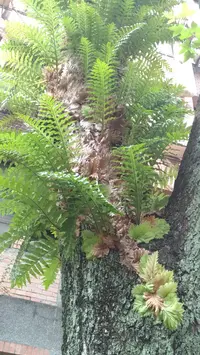
Gu-sui-bu, Drynaria roosii, is an epiphytic fern often grown for its sculptural fronds and unusual nest-like base of sterile leaves. It naturally occurs on rocks and tree trunks in East Asia, where it anchors itself in crevices and organic debris rather than deep soil. The plant forms a creeping rhizome that slowly spreads, creating a layered, architectural clump over time. Its growth is moderate and it is generally considered manageable for indoor growers once stable humidity and watering habits are established. To care for gu-sui-bu, provide bright, filtered light, regular but not excessive moisture, and a loose, well-drained medium that mimics leaf litter or orchid-style mixes.

Care Difficulty
Moderate Care

Light Preference
Partial Shade

Water Requirements
Moderate Water

Temperature Preference
Warm Climate

Hardiness Zone
9–11

Soil Texture
Loamy, Peaty, Organic-rich

Soil pH
Acidic (5.5–6.5), Slightly acidic (6.5–7.0)

Soil Drainage
Moist but well-drained

Fertilization
Light (every 4–6 weeks)
Scan your plant to receive care tips personalized for your specific plant
Available on iOS and Android
This epiphytic fern prefers bright, filtered light that mimics a forest understory.
This fern prefers consistently moist but not waterlogged conditions around its roots and rhizomes.
This species thrives in mild, frost-free conditions typical of warm temperate to subtropical climates.
This fern prefers consistently moist air and reacts quickly to dry indoor conditions.
This epiphytic fern needs a loose, airy, organic substrate rather than dense garden soil.
This species adapts well to container culture when the pot and mounting style mimic its natural epiphytic habit.
This fern benefits from light, consistent feeding during active growth but does not need heavy fertilization.
Pruning focuses on hygiene and maintaining a tidy clump of Drynaria roosii rather than reshaping the plant.
Drynaria roosii is usually mounted or grown in shallow containers and resents frequent disturbance of its rhizomes.
Propagation of this fern is most reliable through division of established rhizomes rather than spores.
This fern prefers cool, frost-free conditions and needs some protection in colder climates.

Plant Health Check
Not sure what's wrong with your plant? Check your plant's health inside the app.
This species produces two distinct frond types, including compact, brownish, sterile nest fronds that overlap to form a basket on rocks or tree trunks, trapping leaf litter and moisture that feed the rhizome.
In the wild, it commonly grows as a lithophyte on limestone cliffs and rocky slopes in East Asia, anchoring its creeping rhizomes in crevices rather than typical forest soil.
In East Asian traditional medicine, its dried rhizomes are known as gu-sui-bu and are officially listed in the Chinese Pharmacopoeia, where they are used as a regulated medicinal raw material under controlled standards.

Modern phytochemical research has shown that the rhizomes of this species contain characteristic compounds such as flavonoids and triterpenoids, which are used as chemical markers for quality control in pharmacognostic studies.
Growth is slow to moderate. New fronds usually appear in flushes during warmer months, then harden off. Expect noticeable size increase over several seasons rather than one year, especially when first establishing or after division, which is normal for Drynaria roosii care.
Keep your plants happy and healthy with plant identification, disease detection, and easy care guidance.

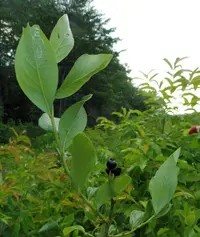
black highbush blueberry
Vaccinium fuscatum
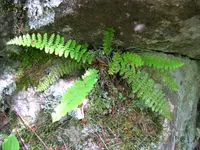
fragrant woodfern
Dryopteris fragrans
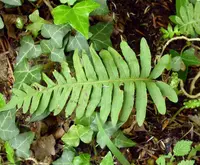
Intermediate Polypody
Polypodium interjectum
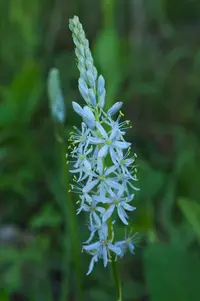
Atlantic camas
Camassia scilloides
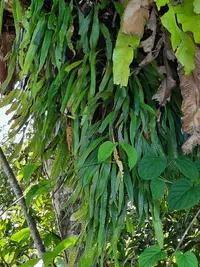
Microgramma percussa
Microgramma percussa
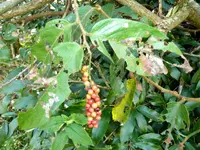
tasselberry
Antidesma venosum

Japanese Holly Fern
Cyrtomium falcatum 'Rochfordianum'
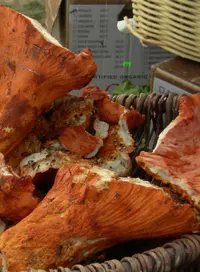
lobster mushroom
Hypomyces lactifluorum