wild ginger Care (Asarum canadense)

Also known as: Canada wild ginger, wild ginger
wild ginger

About wild ginger

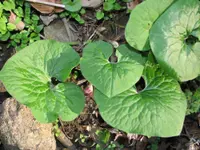
Wild ginger (Asarum canadense) is a low, spreading woodland perennial grown mainly for its heart-shaped leaves and dense groundcover habit. It stays close to the soil surface, slowly forming lush green carpets that suppress weeds and stabilize shaded beds.

This species is native to deciduous forests of eastern North America, where it thrives in cool, moist, humus-rich soil. It produces small, hidden, brownish flowers at ground level that are more curious than showy.

Asarum canadense is generally easy to maintain once established, as long as it has shade, consistent moisture, and well-drained organic soil. Gardeners who learn how to care for wild ginger often use it to create natural-looking shade gardens and understory plantings.

Main Plant Requirements

Care Difficulty

Moderate Care

Light Preference

Shade

Water Requirements

Keep Soil Moist

Temperature Preference

Cold Hardy

Hardiness Zone

2–8

Soil Texture

Loamy, Silty, Organic-rich

Soil pH

Acidic (5.5–6.5), Slightly acidic (6.5–7.0)

Soil Drainage

Moist but well-drained

Fertilization

Minimal (feed rarely)

Get Personalized Care Plan

Scan your plant to receive care tips personalized for your specific plant

Available on iOS and Android

How to Care for the wild ginger

This woodland groundcover prefers cool, shaded conditions that mimic a forest floor.

  • Provide dappled or filtered light under trees, with no more than 1–2 hours of gentle morning sun and full shade by afternoon.
  • Aim for bright open shade; avoid direct midday or afternoon sun, which can scorch leaves and dry the soil quickly.
  • In hotter climates, increase shade during late spring and summer; in cooler regions, light early-spring sun before trees leaf out is beneficial for wild ginger.

This plant prefers consistently moist, never soggy soil that mimics a moist woodland habitat.

  • Water when the top 2–3 cm of soil feel barely dry, then water slowly so moisture reaches the root zone without pooling.
  • Use humus-rich, well-drained soil so excess water can drain away, reducing the risk of root rot and foul odor from anaerobic (oxygen-poor) conditions.
  • In spring and summer, watch for drooping or crispy leaf edges as signs of underwatering; yellowing, soft leaves or standing water indicate overwatering in Asarum canadense.

This cold-hardy woodland perennial tolerates a wide range of outdoor temperatures when planted in the ground.

  • Optimal growing temperatures are about 60–75°F (16–24°C) during active growth in spring and early summer, especially in evenly moist, shaded sites.
  • Dormant rhizomes tolerate winter cold close to 0°F (-18°C) under mulch or leaf litter, but sudden freeze-thaw cycles with exposed crowns can cause damage.
  • In hot summers above 85°F (29°C), provide deep shade and extra mulch to keep roots cool, as prolonged heat and dry soil can stress foliage.

This woodland perennial prefers moderate to high humidity similar to a shaded forest floor.

  • Aim for 50–70% humidity to keep foliage lush and reduce edge browning.
  • It tolerates short periods of drier air but prolonged humidity below 40% can cause curling and crisp leaf tips.
  • Increase humidity outdoors with leaf mulch that holds surface moisture, and indoors by grouping plants or using a small humidifier nearby.

This species thrives in consistently moist, humus-rich soil that mimics a deciduous forest floor.

  • Use a loose, loamy mix with high organic matter, such as 2 parts compost-rich garden soil, 1 part leaf mold, and 1 part fine pine bark.
  • Ensure drainage is steady, not fast, so the soil stays evenly damp but never waterlogged or anaerobic.
  • Maintain a slightly acidic to neutral pH around 5.5–7.0, adding leaf mold or composted bark to gently acidify if needed.
  • Avoid heavy clay that compacts, as well as sandy mixes that dry out quickly, and never allow the root zone to stand in pooled water.

This species can grow in containers if the pot is set up to maintain cool, evenly moist conditions.

  • Choose a wide, shallow container to allow rhizomes to spread horizontally rather than forcing deep root growth.
  • Select a thick-walled or glazed pot that slows moisture loss and keeps the root zone cooler in summer.
  • Top the soil with 2–3 cm of shredded leaf mulch to stabilize moisture and temperature for wild ginger in exposed container positions.

Asarum canadense is a woodland native that needs only modest feeding in average garden soil.

  • Apply a light layer of compost or leaf mold around clumps once each spring to mimic forest soil.
  • In poorer soils, use a balanced, slow-release granular fertilizer at half strength in early spring.
  • Avoid summer overfeeding, which can stress rhizomes and encourage weak, lush growth.
  • Do not apply fertilizer during fall and winter dormancy; rely on organic mulch instead when caring for wild ginger.

Asarum canadense needs minimal pruning, mainly to keep foliage clean and tidy.

  • In late winter or very early spring, remove dead, winter-burned, or mushy leaves at the base.
  • Snip yellowing or damaged leaves during the growing season to reduce disease risk and maintain appearance.
  • Use clean, sharp scissors or hand pruners to avoid tearing the short petioles.
  • Limit thinning to congested patches only if air circulation is poor; it does not shape the plant much.

This species is usually grown in the ground, so care focuses on dividing and transplanting mature clumps rather than repotting.

  • Plan transplanting for early spring or early fall, when temperatures are cool and soil is moist.
  • Lift clumps gently, keeping rhizomes and roots intact; discard soft or rotted sections.
  • Transplant into rich, humusy, well-drained shade beds, setting rhizomes at the same depth as before.
  • Water thoroughly, then keep soil evenly moist for several weeks to limit transplant shock and encourage new roots.

Asarum canadense is most reliably propagated by division, with seed used mainly for patient growers.

  • Divide established clumps in early spring or early fall, when soil is cool and moist.
  • Lift the plant, then separate rhizomes so each piece has healthy roots and at least 1–2 buds.
  • Replant divisions immediately at the original depth in shaded, humus-rich soil, and water well.
  • For seed, sow fresh outdoors in a shaded, protected bed; germination is slow and may take more than 1 year.

This woodland perennial is cold hardy through typical northern winters and usually needs little special winter care.

  • Tolerates frost and freezing once established, with foliage naturally dying back in colder zones.
  • Apply 5–7 cm of leaf mold or shredded bark in late fall to insulate the rhizomes.
  • In containers, move pots into a sheltered, unheated but frost-moderated area to prevent root freeze-thaw damage.

Care Tips

Leaf mulch layering

Leave a 3–5 cm layer of shredded leaves on the soil year-round to mimic its natural forest floor habitat, keep roots cool, and reduce weeding effort when growing wild ginger.

Rhizome division timing

Divide clumps in early spring just as new growth nubs appear, cutting rhizomes into hand-sized sections with several buds and replanting immediately at the original depth to expand the colony without stressing the plant.

Slug and snail control

Reduce slug and snail damage by setting low, rough barriers (such as horticultural grit or copper tape) around beds and checking under mulch or edging stones at dusk to remove pests by hand.

Spring emergence marking

Mark planting areas with discreet stakes in fall so you do not accidentally disturb the shallow rhizomes during early-spring cleanups before the leaves emerge.

Groundcover integration

Plant it in pockets between larger shade perennials and under deciduous shrubs so the canopy provides natural leaf litter and moderated light, allowing the colony to knit into a dense, low-maintenance groundcover over several seasons.

Common Pests and Diseases

Slugs and snails

This pest group is strongly attracted to the thin, tender leaves of wild ginger and can rapidly skeletonize foliage, especially in moist shade. Symptoms include irregular holes, shredded leaf edges, and slime trails on or around the plants.

Solution

Hand-pick slugs and snails in the evening, use beer traps or shallow dishes of yeast water, and place copper tape or rough mulch barriers (crushed eggshells, coarse grit) around clumps. Reduce hiding spots by clearing dense debris, and use iron phosphate slug baits if damage is heavy and other methods are not sufficient.

Fungal leaf spot

This disease appears in damp, shaded beds as small water-soaked or dark spots on leaves that can expand and merge, causing sections of the foliage to yellow and die back. Symptoms include patchy discoloration and premature leaf decline, especially after long wet periods.

Solution

Remove and discard affected leaves promptly to lower the spore load, and avoid overhead watering so foliage dries more quickly. Improve air movement by thinning overcrowded patches and keep mulch slightly back from the crowns to reduce humidity around the leaves.

Rhizoctonia crown rot

This disease develops in poorly drained, compacted, or constantly wet soils and attacks the crown and upper roots. Symptoms include sudden wilting, dark or sunken lesions at the crown, and plants that fail to spread or collapse despite moist soil.

Solution

Dig out and discard affected plants and surrounding soil, then improve drainage with organic matter and, if needed, raised beds before replanting. Avoid burying crowns too deeply, keep mulch thin, and rotate wild ginger to a new site if severe infection has occurred in one area.

Foliar nematodes

These microscopic roundworms move in surface water films on leaves and feed inside the leaf tissue between veins. Symptoms include angular, water-soaked or brown lesions confined by leaf veins, leading to distorted, patchy foliage on otherwise well-grown plants.

Solution

Remove and destroy affected leaves, and avoid overhead watering or splashing that helps nematodes spread from leaf to leaf. In badly infested clumps, discard the entire plant and avoid replanting susceptible shade perennials in the same location for several years.

Vine weevil larvae

These insects damage wild ginger mostly in container or raised plantings by feeding on roots and crowns below the soil surface. Symptoms include stunted growth, wilting despite moist soil, and plants that lift easily because the root system has been chewed away.

Solution

Inspect the root zone and remove C-shaped white larvae by hand when repotting or dividing plants, and destroy heavily infested specimens. Encourage natural predators outdoors, use physical barriers on pot rims to deter adult weevils, and consider targeted biological controls such as entomopathogenic nematodes where vine weevil pressure is persistent.

Interesting Facts

Ant-powered pollination

Wild ginger flowers stay hidden at ground level and are pollinated mainly by small ground-dwelling insects such as fungus gnats and early-emerging flies that crawl into the cup-shaped blooms.

Seed dispersal by ants

The seeds carry a fleshy, oil-rich appendage called an elaiosome that attracts ants, which carry the seeds back to their nests, eat the appendage, and discard the seeds in nutrient-rich soil, helping the plant spread slowly through the forest floor.

Natural forest groundcover

In its native range, this species often forms dense colonies in moist deciduous forests, where its overlapping heart-shaped leaves create a living mulch that shades the soil and helps suppress competing seedlings.

Botan icon

Did you know?

The rhizomes and foliage of Asarum canadense have a strong spicy aroma reminiscent of culinary ginger when crushed, yet the plant is not related to true ginger (Zingiber officinale) and belongs to a completely different plant family, the Aristolochiaceae.

FAQs about wild ginger

This species spreads slowly by rhizomes, forming a dense ground-level carpet over time. It is usually not invasive in shaded gardens, but can gradually fill available space if soil stays consistently moist and competition is low.

Grow Healthy Plants with Botan Care

Keep your plants happy and healthy with plant identification, disease detection, and easy care guidance.

Botan plant care app — identify plants on mobile

Explore More Plants