Provide sturdy support
Install a strong trellis, fence, or concrete post at planting and loosely tie the stems with soft ties, as this fast, heavy climber needs stable support to keep branches off the ground and reduce rot and pest problems.

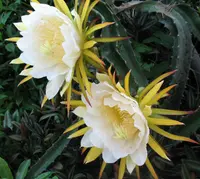
Red-fleshed dragonfruit, Selenicereus costaricensis, is a climbing cactus grown for its striking magenta-red fruit and showy, night-blooming white flowers. It has long, three-sided, fleshy stems that scramble over supports, creating a sprawling, architectural form in gardens or large containers.
This species is native to Central America, where it grows in warm, subtropical to tropical climates. It is considered moderately easy to grow if given strong light, warmth, and a very well-drained, gritty soil mix.
The plant tolerates short dry periods but dislikes prolonged cold or waterlogged roots, which increases the risk of rot. Once its needs are understood, it becomes relatively straightforward to care for Red-fleshed dragonfruit.

Care Difficulty
Moderate Care

Light Preference
Full Sun

Water Requirements
Moderate Water

Temperature Preference
Tropical / Frost Sensitive

Hardiness Zone
10–12

Soil Texture
Sandy, Loamy, Organic-rich

Soil pH
Acidic (5.5–6.5), Slightly acidic (6.5–7.0)

Soil Drainage
Well-drained

Fertilization
Moderate (every 2–4 weeks)
Scan your plant to receive care tips personalized for your specific plant
Available on iOS and Android
This cactus prefers bright, intense light to support strong stems and flowering.
This species prefers infrequent, deep watering with thorough drying between soakings.
Stable warmth supports strong growth and flowering in this tropical cactus.
This cactus-like climber grows well in moderate household humidity but benefits from slightly higher levels in very dry homes.
This species needs a sharply draining, airy mix that mimics rocky, organic-poor habitats.
This species is well-suited to container culture when the pot supports its climbing, top-heavy habit.
This cactus benefits from light, targeted feeding during its active growing season to support flowering and fruiting in Red-fleshed dragonfruit.
Pruning Selenicereus costaricensis helps control size, improve light penetration, and support better fruiting wood.
Container-grown plants appreciate periodic repotting to refresh the soil and maintain healthy root growth.
This species is commonly propagated from stem cuttings for consistent fruit quality and faster establishment than from seed.
This tropical cactus is frost-sensitive and needs protection in regions with cool or freezing winters.

Plant Health Check
Not sure what's wrong with your plant? Check your plant's health inside the app.
This cactus opens its large, white flowers only at night, using strong fragrance and pale coloration to attract nocturnal pollinators such as moths and bats in its native Central American range.
The species produces edible berries with vivid red to magenta pulp, a distinguishing trait that sets it apart from related dragonfruit species with white or pink flesh.
It is a vining cactus that climbs trees, rocks, or trellises using aerial roots, an adaptation that helps it reach brighter light above the forest understory.

This species was long confused with other red-fleshed dragonfruit cacti, and only detailed botanical and genetic studies in the late 20th and early 21st centuries clarified its identity and helped separate it from closely related taxa in horticulture and in the scientific literature.
This species is a climbing cactus with heavy, jointed stems. It performs best with a sturdy support such as a post, trellis, or fence. Good support improves airflow, reduces breakage, and makes harvesting fruit easier.
Keep your plants happy and healthy with plant identification, disease detection, and easy care guidance.