drumstick primula Care (Primula denticulata)

drumstick primula

About drumstick primula

Drumstick primula (Primula denticulata) is a compact, herbaceous perennial grown mainly for its early spring flowers. It forms neat rosettes of bright green, slightly textured leaves at ground level.

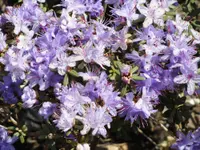
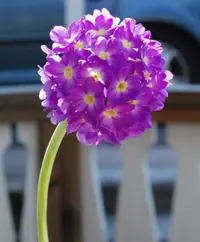
Short, sturdy stems carry spherical clusters of small flowers that range from white to pinks and purples, giving a drumstick look. It is native to moist meadows and stream banks in the Himalayas.

This species prefers cool conditions, consistently moist soil, and light shade, which makes it best suited to temperate outdoor gardens rather than hot, dry sites. With suitable moisture and climate, it is a reliable choice for gardeners learning how to care for drumstick primula.

Main Plant Requirements

Care Difficulty

Moderate Care

Light Preference

Partial Shade

Water Requirements

Keep Soil Moist

Temperature Preference

Cold Hardy

Hardiness Zone

4–8

Soil Texture

Loamy, Silty, Organic-rich

Soil pH

Acidic (5.5–6.5), Slightly acidic (6.5–7.0)

Soil Drainage

Moist but well-drained

Fertilization

Light (every 4–6 weeks)

Get Personalized Care Plan

Scan your plant to receive care tips personalized for your specific plant

Available on iOS and Android

How to Care for the drumstick primula

This species prefers cool, bright conditions with gentle sun exposure.

  • Provide 3–4 hours of soft morning sun with dappled or light shade for the rest of the day; avoid strong afternoon sun, especially in summer.
  • Plant drumstick primula where taller perennials or shrubs cast partial shade, which protects leaves from scorch yet prevents the site from becoming too dim.
  • In hotter climates, increase shade to bright, filtered light; in cooler or overcast regions, allow a bit more direct morning sun to support flowering.

This plant needs consistently moist but not waterlogged soil during its active growth.

  • Water when the top 2–3 cm of soil feel slightly dry, then soak the root zone thoroughly so moisture reaches 10–15 cm deep.
  • Use humus-rich, well-drained soil so excess water can drain away; yellowing, limp leaves and a sour smell suggest overwatering and root stress.
  • In spring and early summer, moisture demand is highest; in late summer and dormancy, let the surface dry a little more and watch for wilting or crisp leaf edges as signs of underwatering.

This hardy perennial grows best in cool to mild temperatures.

  • Optimal growth occurs around 45–65°F (7–18°C), especially in spring when Primula denticulata forms its flower spheres.
  • Plants tolerate winter cold down to about 0°F (−18°C) in the ground with good drainage and mulch, but repeated freeze–thaw around the crown can cause damage.
  • Heat tolerance is limited; above 75°F (24°C) growth slows and flowering declines, so provide shade, mulch, and consistent moisture during hot, dry spells.

This species prefers consistently moist air and benefits from moderate humidity management.

  • Aim for 50–70% humidity to reduce leaf scorch and prolong flowering in drumstick primula.
  • Dry indoor air causes browning leaf edges and wilted flower stems, even when soil is moist.
  • Increase humidity with nearby trays of wet pebbles or clustered plants, but avoid misting flowers to limit fungal issues.

Primula denticulata performs best in cool, moist, but sharply draining soil with high organic content.

  • Use a loose loam rich in organic matter, such as garden loam mixed with compost and fine bark.
  • Ensure drainage by incorporating coarse sand or grit so water passes through quickly yet soil stays evenly moist.
  • Aim for slightly acidic to neutral pH around 6.0–7.0 to support nutrient uptake and healthy root growth.
  • Avoid heavy clay, compacted ground, or sites that stay waterlogged, which promote root and crown rot.

This species grows reliably in containers when moisture and drainage are carefully balanced.

  • Choose a deep, relatively wide pot to give room for the clumping roots and to buffer against rapid drying.
  • Use a heavier material like ceramic or clay outdoors to keep the pot stable against wind and top-heavy flower stems.
  • Set the pot on feet or bricks so drainage holes stay clear and water cannot pool under the base after rain or watering.

Primula denticulata benefits from light but consistent nutrition during its active spring growth.

  • Use a balanced, water-soluble fertilizer (for example 10-10-10) at 1/2 strength every 2–3 weeks from early spring to early summer.
  • Alternatively, apply a thin layer of compost around the clump in early spring to support flowering and foliage.
  • Avoid feeding in late summer and winter dormancy to prevent weak, soft growth.
  • For container-grown drumstick primula, consider a low-dose slow-release fertilizer mixed into the potting medium in spring.

Pruning Primula denticulata focuses on cleaning and tidying rather than reshaping the plant.

  • Deadhead spent flower stems in late spring by cutting them at the base to encourage a neater clump and sometimes a light rebloom.
  • Remove yellowing or damaged leaves as they appear, using clean scissors or hand pruners to limit disease spread.
  • In late fall, trim away collapsed foliage at ground level, leaving the crown intact to resprout in spring.
  • Avoid heavy cutting into healthy crowns, as this can reduce vigor and flowering the following season.

Drumstick primula is more often transplanted in garden beds than kept long term in containers.

  • Plan transplanting for early spring or immediately after flowering, when temperatures are cool and soil stays evenly moist.
  • Move plants when clumps become crowded, flowering declines, or growth seems slow despite good care, usually every 3–4 years.
  • Lift the clump with a trowel or fork, keeping a solid root ball to limit stress and prevent roots from drying out.
  • Replant at the original depth in rich, moist, well-drained soil, then water thoroughly and shade lightly for a few days.

This species is commonly propagated by division and from seed for renewing beds or increasing stock.

  • Divide mature clumps in early spring or just after flowering, when Primula denticulata is actively growing but not heat-stressed.
  • Gently tease clumps into sections, each with several buds and roots, then replant promptly into moist, humus-rich soil.
  • For seeds, sow fresh in late summer or fall in trays kept cool, lightly covered, and consistently moist for better germination.
  • Provide bright, indirect light and avoid drying out young divisions or seedlings to encourage steady establishment.

This primula is cold hardy in many temperate regions and usually needs only modest winter attention.

  • Tolerates frost and snow, but benefits from a 2–5 cm layer of mulch over the root zone once the ground cools.
  • Use leaf mold, compost, or fine bark mulch, keeping it slightly away from the crown to reduce rot risk.
  • For container plants, move pots into a sheltered, unheated but frost-free spot or sink containers into the ground for insulation.

Care Tips

Spring division timing

Lift and divide crowded clumps immediately after flowering while new basal rosettes are visible, then replant divisions at the same depth to maintain vigor and floral density.

Mulch for cool roots

Apply a 2–3 cm layer of fine composted bark or leaf mold around, but not over, the crowns each spring to keep roots cool, reduce evaporation, and limit soil splash that can spread foliar diseases.

Snow and frost management

In colder regions, allow insulating snow to remain over plants but brush off heavy, icy crusts from emerging rosettes in late winter to prevent mechanical damage and crown rot.

Targeted slug protection

Place slim, continuous rings of wildlife-safe slug pellets, copper tape, or coarse grit around clumps in late winter as new shoots emerge, since young foliage is highly attractive to slugs and snails.

Post-bloom grooming

After the main flowering flush, remove spent flower stems cleanly at the base and thin out any yellowing outer leaves to improve air flow and reduce fungal problems when caring for drumstick primula.

Common Pests and Diseases

Aphids

These insects cluster on young leaves, buds, and flower stems, sucking sap and causing distortion, sticky honeydew, and reduced flowering. This pest is especially common in spring growth flushes of Primula denticulata in cool, moist borders.

Solution

Spray affected areas with a strong stream of water to dislodge colonies, then treat remaining insects with an insecticidal soap or neem oil, repeating weekly until controlled. Remove heavily infested flower stems and encourage natural predators like lady beetles by avoiding broad-spectrum insecticides nearby.

Vine weevil

This pest attacks Primula crowns and roots; adult beetles notch leaf edges, while white grubs in the soil eat roots, causing wilting and sudden collapse, especially in pots or raised beds. Symptoms include loose, poorly anchored plants that lift easily from the soil.

Solution

Inspect pots or crown areas and remove any visible grubs by hand, then replace or refresh potting mix if infestation is heavy. Use biological control with nematodes labeled for vine weevil in spring and late summer, and consider barrier traps or sticky bands to reduce adult feeding around susceptible plantings.

Powdery mildew

This disease shows as white, powdery patches on leaves and sometimes flower stems, leading to yellowing, distortion, and premature leaf drop in crowded or dry, stagnant conditions. Symptoms include a dusty coating that can spread rapidly in shade with poor air movement.

Solution

Remove and discard affected leaves promptly and thin surrounding plants to improve airflow. Water at soil level, avoid overhead watering late in the day, and apply a sulfur or potassium bicarbonate fungicide labeled for ornamentals if conditions remain favorable for the disease.

Botrytis blight

This disease produces soft, brown lesions on leaves, stems, and flower heads that quickly become covered with gray, fuzzy mold in damp, cool weather. Symptoms include collapsing flower clusters and rotting crowns, especially when old foliage and spent blooms remain on the plant.

Solution

Promptly deadhead spent flowers and remove decaying leaves to keep the crown clean and dry, disposing of all infected material in the trash. Improve drainage and spacing, avoid wetting foliage late in the day, and in persistent cases use a suitable ornamental fungicide during peak cool, wet periods to protect susceptible tissues.

Leaf spot

This disease causes small, dark, water-soaked or tan spots on leaves that may enlarge, merge, and cause premature yellowing, frequently appearing on older foliage after prolonged wet weather. Symptoms include irregular spotting with possible purple or dark margins and thinning of the leaf canopy from early leaf loss.

Solution

Cut off and discard affected leaves, keeping the crown open and free of debris to reduce humidity around the plant. Water at the base in the morning, avoid splashing soil onto foliage, rotate planting areas if the issue recurs, and apply a copper-based or other labeled ornamental fungicide if spotting continues to spread.

Interesting Facts

High-altitude native

This species is naturally found on moist alpine meadows and stream banks in the Himalayas, often growing at elevations above 3,000 m where snow cover and cool temperatures dominate much of the year.

Distinctive drumhead blooms

Its flower heads form nearly spherical clusters on top of sturdy stems, with new flowers opening from the center outward and older ones toward the outside, giving the plant its drumstick appearance.

Early spring nectar source

In its native range and in cultivation, it often flowers very early in spring, providing one of the first reliable nectar and pollen sources for emerging pollinating insects such as bees.

Botan icon

Did you know?

Primula denticulata was introduced to Western horticulture in the 19th century and quickly became a parent in breeding programs that produced many modern drumstick primula cultivars in a wide range of colors beyond the typical lilac-purple of the wild form.

FAQs about drumstick primula

Lack of flowers usually comes from insufficient winter chill, too much shade, or nutrient imbalance from high-nitrogen fertilizer. Ensure cool winter conditions, bright but not harsh light, and use a balanced, low-nitrogen feed to support bud formation.

Grow Healthy Plants with Botan Care

Keep your plants happy and healthy with plant identification, disease detection, and easy care guidance.

Botan plant care app — identify plants on mobile

Explore More Plants