white wallrocket Care (Diplotaxis erucoides)

white wallrocket

About white wallrocket

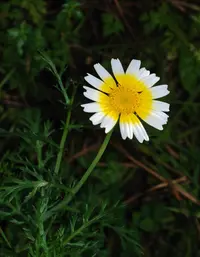
White wallrocket, Diplotaxis erucoides, is a small annual herb in the cabbage family, often found in fields, roadsides, and disturbed ground. It is native to the Mediterranean region but has naturalized in many mild-climate areas.

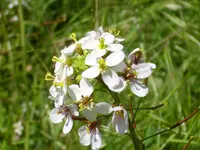
The plant forms loose, branching clumps with narrow, lobed leaves and many small white four-petaled flowers that resemble delicate wild radish blooms. Its fast growth and prolific self-seeding make it easy to establish but sometimes a bit weedy.

Gardeners usually care for white wallrocket in sunny, open sites with well-drained soil and moderate moisture, where it behaves as a short-lived, self-sowing wildflower.

Main Plant Requirements

Care Difficulty

Easy Care

Light Preference

Full Sun

Water Requirements

Moderate Water

Temperature Preference

Cool Climate

Hardiness Zone

7–10

Soil Texture

Sandy, Loamy, Rocky

Soil pH

Slightly acidic (6.5–7.0), Slightly alkaline (7.0–7.5)

Soil Drainage

Well-drained

Fertilization

Minimal (feed rarely)

Get Personalized Care Plan

Scan your plant to receive care tips personalized for your specific plant

Available on iOS and Android

How to Care for the white wallrocket

This annual herb thrives in open, bright conditions typical of sunny fields and roadsides.

  • Provide 6–8 hours of direct sun daily; light morning sun plus some afternoon sun gives compact, leafy growth for white wallrocket.
  • Plant in an open site; it tolerates light partial shade (3–4 hours sun), but flowering and vigor drop if shaded most of the day.
  • In hot summers, strong afternoon sun on dry soil can scorch foliage; in winter or cloudy seasons, choose the brightest, least obstructed spot.

This species prefers moderately dry, free-draining conditions and does not tolerate prolonged soaking.

  • Water only when the top 3–5 cm of soil are dry; in natural ground, this may mean long gaps between waterings depending on rainfall.
  • Use gritty, well-drained soil so excess water runs off quickly; persistent puddling or sour smell indicates poor drainage and overwatering risk.
  • Reduce watering in cool seasons when growth slows; wilting with dry, pale soil suggests underwatering, while yellowing, soft stems indicate overwatering stress for Diplotaxis erucoides.

This Mediterranean annual grows best in mild conditions and tolerates a fair range of temperatures.

  • Optimal growth occurs around 60–75°F (16–24°C), which supports fast leaf and flower production without heat stress.
  • Plants tolerate down to about 28–30°F (-2–-1°C) for short periods, but hard frost below this can kill young seedlings and damage flowers.
  • Heat tolerance is moderate; short spells up to 90°F (32°C) are acceptable if soil moisture is not extreme, but extended hotter periods reduce flowering and can hasten bolting.

Humidity is not a critical factor for Diplotaxis erucoides grown outdoors in typical temperate climates.

Diplotaxis erucoides prefers light, free-draining mineral soil that does not stay wet after rain or irrigation.

  • Use sandy or sandy-loam soil with 20–30% coarse sand or grit to prevent compaction and waterlogging.
  • Incorporate a moderate amount of well-rotted compost to support growth without making the substrate heavy or water-retentive.
  • Aim for a slightly alkaline to neutral pH of 7.0–8.0, avoiding strongly acidic mixes that can limit nutrient availability.
  • Avoid heavy clay, peat-heavy, or constantly wet substrates, and improve aeration with added grit or perlite where drainage is slow.

This species can be grown in containers outdoors if the pot is set up to drain very efficiently.

  • Choose a wide, shallow container to match its relatively shallow root system and to reduce the risk of soggy lower layers.
  • Use a gritty mix such as 60% general-purpose potting mix with 40% coarse sand or fine gravel to keep pore spaces open.
  • Raise the pot slightly on feet or bricks so runoff can leave quickly and no water collects under the base, especially after rain.

Diplotaxis erucoides is a light feeder that performs well in moderately fertile, well-drained soil.

  • Use a balanced, all-purpose fertilizer (for example 10-10-10) or a light topdressing of compost for white wallrocket in poor soils.
  • Apply fertilizer at half strength every 4–6 weeks during the main growing season if growth or flowering seems weak.
  • Avoid feeding during winter or any dormant period, as low temperatures and slow growth reduce nutrient demand.
  • Water before and after applying fertilizer to limit root burn and improve nutrient uptake.

Diplotaxis erucoides benefits from light, timely pruning to maintain a compact, floriferous habit.

  • Carry out main pruning in late winter or early spring before vigorous new growth starts.
  • Remove dead, diseased, or damaged stems first, then thin crowded shoots to improve air circulation.
  • Lightly trim back spent flowering stems to encourage bushier growth and additional blooms.
  • Use clean, sharp scissors or hand pruners and make small, angled cuts above a healthy leaf node.

This species is more often grown in beds or wildflower areas, so care focuses on transplanting rather than frequent repotting.

  • Transplant seedlings or young Diplotaxis erucoides plants in early spring or early fall, avoiding extreme heat or frost.
  • Look for signs such as roots circling inside plug trays or very slow growth as indicators that plants need more space.
  • Space plants in light, well-drained soil and water thoroughly after transplanting to settle soil around the roots and reduce stress.
  • Keep soil slightly moist for 1–2 weeks after moving plants, then gradually return to the usual watering schedule.

Diplotaxis erucoides is most commonly propagated from seed, which suits its annual or short-lived habit.

  • Sow seeds in early spring after frost risk has passed, or in late summer for mild-winter climates.
  • Use a well-drained seed mix and press seeds lightly onto the surface, as light exposure can improve germination.
  • Maintain 60–70°F and consistent, gentle moisture until seedlings emerge, usually within 1–3 weeks.
  • Thin or prick out seedlings once they develop true leaves, handling them by the leaves rather than the stems.

In mild climates this plant usually needs little winter care, as it often behaves as a cool-season annual.

  • In regions with light frost, allow Diplotaxis erucoides to self-seed, accepting that individual plants may die back.
  • Where winters are colder than its tolerance, treat it strictly as an annual and re-sow each year.
  • Container-grown plants in marginal climates can be overwintered under cool, bright, frost-free cover to extend flowering.

Care Tips

Succession Sowing

Sow small patches every 2–3 weeks in spring and fall so flowering and leaf production stay continuous instead of peaking all at once.

Dry-Climate Mulching

Apply a thin, loose mineral or gravel mulch around plants to reduce surface evaporation and soil crusting while still keeping the crown dry and well aerated.

Targeted Deadheading

Regularly remove spent flower clusters before seeds set to prolong bloom and prevent self-sowing from becoming invasive in beds or paths.

Low-Nitrogen Companions

Grow near other low-input Mediterranean herbs and wildflowers so irrigation and nutrient levels stay lean, which maintains compact growth and strong flavor rather than lush, weak foliage.

Seed Bank Management

If a long-lived seed bank is not desired, lightly hoe or flame-weed the top 1–2 cm of soil after the main flush of volunteers emerges to reduce future self-seeding while still allowing controlled patches for growing white wallrocket.

Common Pests and Diseases

Cabbage aphids

These insects cluster on young shoots and flower stalks, sucking sap and causing curling, yellowing, and sticky honeydew on Diplotaxis erucoides.

Solution

Prune and discard heavily infested tips, then wash remaining stems and leaves with a strong but controlled stream of water and, if needed, apply an insecticidal soap or neem oil spray, repeating every 5–7 days until populations decline.

Flea beetles

These insects chew many small round holes in young leaves, which can stunt seedlings and reduce vigor in dense stands.

Solution

Use floating row covers over young plants, reduce nearby weed hosts, and, where damage is persistent, apply a residual barrier such as kaolin clay film or a labeled pyrethrin product in the evening when beetles are active on foliage.

Downy mildew

This disease causes pale, angular leaf spots that can turn yellow or brown, often with a gray-violet downy growth on the undersides in cool, humid weather.

Solution

Improve air circulation, avoid overhead watering, remove and destroy affected leaves, and in recurrent cases use a copper-based or phosphonate fungicide labeled for brassicas, applied preventively during cool, damp periods.

White rust

This disease produces thick, white blister-like pustules on the undersides of leaves and sometimes on stems and flower parts, leading to distorted growth.

Solution

Remove and dispose of infected plant parts, avoid overhead irrigation, increase spacing for faster drying, and rotate away from other brassica hosts to reduce inoculum in the soil and nearby vegetation.

Turnip mosaic virus

Symptoms include mottled, distorted leaves with light and dark green patches and reduced growth, often spreading in patches through a stand via aphids.

Solution

Rogue and destroy symptomatic plants promptly, control aphid populations with regular monitoring and insecticidal soap where needed, and avoid planting near infected brassicas or wild crucifers to limit virus reservoirs as part of broader Diplotaxis erucoides care instructions.

Interesting Facts

Self-compatible flower biology

This species usually self-pollinates, but its small white flowers are also visited by generalist insects, which maintains some genetic mixing in natural populations.

Nitrogen-rich weed of fields

It often colonizes disturbed, nitrogen-rich soils such as cereal fields, orchards, and roadsides in the Mediterranean region, where it can become a noticeable winter annual weed.

Seed bank persistence

The plant produces many small seeds that can remain in the soil seed bank for years, allowing rapid reappearance when tillage or disturbance creates open ground.

FAQs about white wallrocket

This species self-seeds readily and can form loose patches, especially in open, disturbed soil. Regular deadheading and removing unwanted seedlings control spread. In managed beds, it is usually manageable rather than truly invasive.

Grow Healthy Plants with Botan Care

Keep your plants happy and healthy with plant identification, disease detection, and easy care guidance.

Botan plant care app — identify plants on mobile

Explore More Plants