Edge Containment
Install a shallow physical barrier 10–15 cm deep around planting areas to prevent rhizomes from spreading aggressively into neighboring beds or lawns while still allowing healthy clump formation.

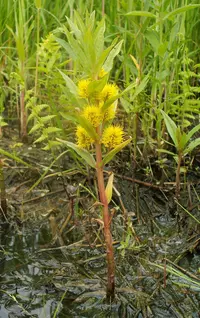
Lysimachia thyrsiflora, commonly called tufted loosestrife, is a hardy aquatic or marginal perennial often found along lakeshores, ponds, and slow-moving streams. It naturally occurs across cooler regions of Europe, Asia, and North America.
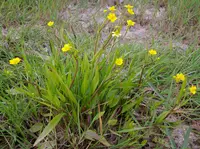
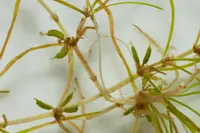
Plants form upright, clumping stems with narrow green leaves and distinctive yellow, tufted flower clusters that sit just off the stems, giving a soft, fuzzy look in bloom. Growth is typically steady but not aggressive when given the right site.
It prefers consistently moist to wet soil, full sun to light shade, and cool to moderate climates, which makes it well suited to naturalistic water gardens. Understanding how to care for tufted loosestrife is mainly about maintaining stable moisture and avoiding hot, dry positions.

Care Difficulty
Moderate Care

Light Preference
Full Sun

Water Requirements
Aquatic

Temperature Preference
Cold Hardy

Hardiness Zone
3–8

Soil Texture
Loamy, Silty, Organic-rich

Soil pH
Acidic (5.5–6.5), Slightly acidic (6.5–7.0)

Soil Drainage
Waterlogged tolerant

Fertilization
Minimal (feed rarely)
Scan your plant to receive care tips personalized for your specific plant
Available on iOS and Android
This wetland perennial prefers bright conditions with some protection from intense midday sun.
This species thrives in consistently wet to saturated conditions and tolerates shallow standing water.
This cold-hardy perennial tolerates a wide temperature range, especially when planted in the ground near water.
This semi-aquatic species prefers consistently moist air but normally does fine outdoors without special humidity control.
This wetland perennial needs saturated, oxygen-poor substrates rather than typical garden soil.
This species can grow in containers if the setup allows permanently wet or shallowly submerged conditions.
This moisture-loving perennial grows well in nutrient-rich, wet soil and only needs light feeding to stay vigorous.
Pruning helps keep Lysimachia thyrsiflora dense and prevents it from becoming too invasive in wet sites.
This species is usually grown in the ground or ponds, so focus on dividing and transplanting rather than frequent repotting.
This wetland perennial is commonly propagated by division, but seed and stem cuttings are also possible for expanding plantings.
This cold-hardy perennial generally needs minimal winter care in most temperate climates.

Plant Health Check
Not sure what's wrong with your plant? Check your plant's health inside the app.
This species forms dense, fibrous root systems that anchor it firmly in saturated soils and shallow water, helping stabilize soft shorelines and reduce erosion in wetlands and along slow-moving streams.
Its spherical yellow flower heads, made of many small star-shaped blossoms, are rich in pollen and are particularly attractive to bees and other short-tongued pollinators early in the growing season.
The plant has a broad circumboreal distribution, naturally occurring across northern parts of Europe, Asia, and North America in cool-temperate to boreal wetland habitats.

Genetic and morphological studies place this species within a group of loosestrifes that have adapted specifically to waterlogged and aquatic environments, making it one of the relatively few Primulaceae members regularly found growing with its stems and lower leaves partially submerged.
This species spreads steadily by rhizomes in wet soil and can form dense colonies over time. In garden ponds or bog beds, use root barriers or containers and divide clumps every few years to prevent unwanted spread.
Keep your plants happy and healthy with plant identification, disease detection, and easy care guidance.