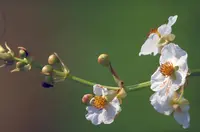
horned pondweed Care (Zannichellia palustris)

horned pondweed

About horned pondweed

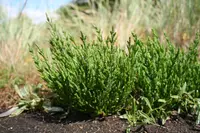
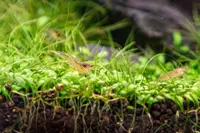
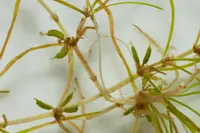
Horned pondweed, Zannichellia palustris, is a submerged aquatic plant commonly found in ponds, ditches, slow streams, and brackish coastal waters. It has very fine, thread-like leaves and a delicate, branching habit that forms soft underwater mats. This species is native to many temperate regions worldwide and often appears in shallow, calm water with soft, silty or muddy bottoms. It plays an important role in freshwater ecosystems by providing shelter for small aquatic animals. For those who want to care for horned pondweed in aquariums or ponds, its main requirements are clean, still or gently moving water and good light without extreme shade.

Main Plant Requirements

Care Difficulty

Moderate Care

Light Preference

Full Sun

Water Requirements

Aquatic

Temperature Preference

Cold Hardy

Hardiness Zone

3–10

Soil Texture

Sandy, Silty, Organic-rich

Soil pH

Slightly acidic (6.5–7.0), Neutral (7.0)

Soil Drainage

Waterlogged tolerant

Fertilization

Minimal (feed rarely)

Get Personalized Care Plan

Scan your plant to receive care tips personalized for your specific plant

Available on iOS and Android

How to Care for the horned pondweed

This submerged aquatic species relies on consistent light reaching the water column for steady growth.

  • Provide 6–8 hours of bright, indirect sunlight where the water surface is lit but not exposed to intense, all-day direct sun.
  • Horned pondweed tolerates light shade, but dense shade or very turbid water leads to weak, elongated shoots and sparse leaves.
  • In hot summers, protect shallow ponds from harsh afternoon sun with marginal plants or partial shading to limit overheating and algal blooms that block light.

Zannichellia palustris is a fully aquatic plant that depends on stable, clean, oxygenated water rather than intermittent watering.

  • Maintain a constant water level; the plant should remain fully submerged in slow-moving or still water with gentle circulation.
  • Use low to moderate nutrient levels and avoid heavy organic buildup; foul smell, murky water, and decaying foliage signal poor conditions rather than a need for more water.
  • In ponds or tanks, perform partial water changes (10–30%) as needed when water becomes cloudy or algae-heavy, not on a fixed schedule.

This aquatic plant is adapted to cool to mild climates but responds best to moderately warm water.

  • Aim for an optimal water temperature of 59–75°F (15–24°C) for active growth and reliable vegetative spread.
  • The plant tolerates down to about 41°F (5°C) in many regions, but prolonged freezing of shallow water or ice cover can damage shoots.
  • In hot periods above 82°F (28°C), increase shade and water movement, since warm, stagnant water reduces oxygen and stresses the plant.

This submerged aquatic species relies on surrounding water, so air humidity has little direct impact.

This species grows rooted in submerged, soft sediment rather than typical potting soil.

  • Use fine, silty or sandy sediment with high organic content that stays fully underwater and does not compact into a hard mass.
  • Ensure slow water movement above the sediment so nutrients stay available but roots are not disturbed by strong currents.
  • Aim for slightly alkaline to neutral conditions (pH 7.0–8.0) when possible, adjusting with crushed coral or limestone if water is very soft.
  • Avoid coarse gravel-only substrates or fast-draining terrestrial mixes, which prevent stable anchoring and restrict nutrient access for Zannichellia palustris.

This species can be grown in containers such as ponds, tubs, or aquaria when water conditions are stable.

  • Use a wide, shallow container so sediment depth is 5–10 cm, giving roots room while maintaining strong water oxygenation above.
  • Place the container where it will not overheat in direct sun, since small volumes of water warm and cool much faster than ponds.
  • Weight the sediment surface lightly with rinsed sand or small pebbles so flowing water or fish do not uproot horned pondweed.

This aquatic native usually obtains enough nutrients from pond or aquarium water, so fertilization for horned pondweed is rarely necessary.

Zannichellia palustris benefits from light pruning to control spread and maintain water quality in ponds and aquaria.

  • Trim back overly long or crowded stems during active growth, typically spring to early fall.
  • Remove yellowing, damaged, or decaying shoots to reduce organic waste and algae growth.
  • Use clean aquascaping scissors or sharp snips; cut just above a healthy leaf node.
  • Avoid removing more than 30% of foliage at one time to limit stress and maintain oxygenation.

This species is usually grown rooted in substrate or loosely anchored, so focus on gentle transplanting rather than frequent repotting.

  • Plan moves in spring or early summer, when water temperatures are stable and growth is active.
  • Transplant if plants are overcrowded, growth slows, or roots form dense mats on the substrate surface.
  • Lift clumps gently, keeping roots and attached sediment intact to reduce shock.
  • Replant into similar depth and substrate, then minimize disturbance and maintain stable water parameters for several days.

Once established, this aquatic plant is commonly propagated to expand coverage in ponds and aquaria.

  • Use stem cuttings or natural side shoots during late spring to summer, when growth is strongest.
  • Cut healthy, flexible stems 5–10 cm long, removing any decaying sections.
  • Anchor cuttings lightly in fine sand or aquatic substrate so nodes are just covered.
  • Provide steady light, clean water, and gentle flow; new roots and shoots will form from the nodes.

In most temperate ponds, this cold-hardy species overwinters with little intervention.

  • In outdoor ponds, allow plants to sink deeper as surface water cools and potentially freezes.
  • Avoid draining ponds completely in winter so underwater portions remain submerged and insulated.
  • For shallow containers in very cold climates, move tubs to a frost-free but cool area.

Care Tips

Shallow-water placement

Place containers or baskets in 10–40 cm of water so the plant forms dense underwater meadows that outcompete algae and provide better habitat for fry and small invertebrates.

Gentle water movement

Maintain slow, laminar flow in ponds or tanks using a low-output pump or spray bar so stems stay upright and flexible without being torn or uprooted.

Sediment anchoring

Use a thin layer of fine sand over loamy aquatic substrate to lightly bury the lower stems and hold them in place, reducing the risk of the plant floating up when disturbed.

Seasonal biomass reset

In late season, remove a portion of older, decaying shoots with a fine net to reduce organic buildup and keep water quality stable for the next growth cycle when growing horned pondweed.

Fish stocking balance

Choose small, non-herbivorous fish or invertebrates and avoid high numbers of grazing species like goldfish, which can uproot and consume large amounts of the plant.

Common Pests and Diseases

Aquatic aphids

These insects pierce soft submerged shoots and suck sap, causing distortion, pale growth, and reduced vigor in horned pondweed stands. This pest often appears in slow-moving, nutrient-rich waters where fish or invertebrate predators are scarce.

Solution

Rinse infested shoots by creating stronger water movement or gently lifting small clumps and swishing them in a bucket of pond water, then discard the rinse water away from the pond. Encourage natural predators by avoiding broad-spectrum insecticides, and if grown in tanks, introduce compatible fish or invertebrates that feed on aphids and maintain moderate water flow for ongoing control.

Aquatic snails

These insects are not involved; instead, herbivorous snails rasp tender shoots and leaf-like segments, leaving shredded tissue and slowed regrowth. Damage is most common in nutrient-rich ponds and aquaria with high snail populations and limited alternative food sources.

Solution

Reduce snail numbers by manually removing snails, trapping them with lettuce or vegetable baits overnight, and not overfeeding fish in closed systems. In small tanks, quarantine new plants, rinse them thoroughly before introduction, and consider adding natural snail predators compatible with the existing community while providing some sacrificial plant material or algae to reduce pressure on horned pondweed.

Filamentous algae overgrowth

This disease is not present; instead, dense hair-like algae can smother stems and fine leaves, blocking light and restricting water movement around the plant. Symptoms include slimy green threads entangled in the plant and gradual thinning or collapse of horned pondweed patches.

Solution

Limit excess nutrients by reducing fertilizer runoff, checking fish stocking and feeding levels, and increasing partial water changes in ponds or tanks. Manually remove filamentous mats by winding them out with a stick or net, then improve light balance and circulation; floating shade plants or controlled shading can further reduce algae dominance while maintaining enough light for growing horned pondweed.

Epiphytic algal film

This disease is not caused by pathogens; instead, a thin coating of microalgae grows directly on stems and leaf-like structures, dulling their color and reducing photosynthesis. Symptoms include a dusty green or brown surface that does not come off easily in one piece like filamentous algae.

Solution

Improve water quality by moderating nutrient loads, maintaining stable water hardness, and providing steady but not excessive light. In aquaria, add gentle water movement and algae-grazing fish or invertebrates suited to the system, and lightly rub or swish small clumps in a separate container of tank or pond water to remove the heaviest buildup without damaging the fine tissue.

Interesting Facts

Submerged, leafless flowering

This species spends its entire life fully submerged, producing threadlike stems with no true floating leaves, yet still forms tiny underwater flowers that can self-pollinate.

Unique fruiting horns

Its fruits develop into small, nut-like bodies with several stiff, horn-like projections, a distinctive feature that inspired the common name horned pondweed and helps with identification in the field.

Tolerance of brackish water

Unlike many freshwater pondweeds, this species often thrives in mildly brackish habitats such as coastal lagoons and estuaries, contributing to underwater vegetation where salinity fluctuates.

Botan icon

Did you know?

The pollen of this species is released and dispersed underwater, an uncommon strategy among flowering plants, allowing successful reproduction without relying on wind or insect pollinators.

FAQs about horned pondweed

Yellowing leaves usually indicate nutrient deficiency, especially nitrogen, or poor water quality. Check for low nutrients, excessive shade, or build‑up of waste. Partial yellowing on older strands is normal as new submerged growth replaces them.

Grow Healthy Plants with Botan Care

Keep your plants happy and healthy with plant identification, disease detection, and easy care guidance.

Botan plant care app — identify plants on mobile

Explore More Plants