Shallow Water Placement
Position containers or baskets so the crown sits just above the waterline in 2–10 cm of water, which keeps roots submerged but reduces rot risk at the stem base.

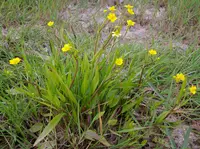
Lesser spearwort (Ranunculus flammula) is a small, moisture-loving perennial from the buttercup family. It typically grows in shallow water or very damp soil along streams, ponds, and wet meadows.
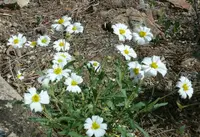
The plant forms low clumps with slender, upright stems and narrow, spear-shaped leaves. Bright yellow, buttercup-like flowers appear in warm months and attract various pollinators.
Lesser spearwort is adapted to cool to mild climates and thrives in consistently wet conditions, which makes it suitable for water gardens and naturalistic pond edges. Gardeners who care for Lesser Spearwort should note that it dislikes drying out and prefers open, bright conditions with soft, organic-rich substrates.

Care Difficulty
Moderate Care

Light Preference
Full Sun

Water Requirements
Aquatic

Temperature Preference
Cool Climate

Hardiness Zone
4–8

Soil Texture
Loamy, Silty, Organic-rich

Soil pH
Acidic (5.5–6.5), Slightly acidic (6.5–7.0)

Soil Drainage
Waterlogged tolerant

Fertilization
Minimal (feed rarely)
Scan your plant to receive care tips personalized for your specific plant
Available on iOS and Android
This semi-aquatic perennial prefers bright conditions with some protection from intense midday sun.
This species naturally grows in saturated soils and shallow water, so it needs constant moisture to stay healthy.
This hardy wetland plant tolerates a wide temperature range but grows best in cool to mild conditions.
This semi-aquatic species prefers consistently moist air but usually adapts to typical outdoor humidity levels.
This wetland perennial requires saturated, oxygenated substrate rather than conventional garden soil.
This species can be grown in containers if those containers are managed as mini-bog or aquatic setups.
This wetland perennial is modest in its needs, but light feeding supports healthy growth of Lesser Spearwort in nutrient-poor sites.
Pruning Ranunculus flammula is simple and mainly aimed at tidying and supporting flowering.
This species is more often transplanted in wet garden or pond settings than repotted as a houseplant.
Ranunculus flammula is commonly propagated by division or seed in moist to wet conditions.
This hardy wetland plant usually needs minimal winter care in most temperate climates.

Plant Health Check
Not sure what's wrong with your plant? Check your plant's health inside the app.
This species can grow both rooted in shallow water and on saturated mud, adjusting its leaf shape and stem length depending on how deeply it is submerged.
Like many buttercups, it contains acrid compounds that irritate the mouth, so most grazing animals avoid eating it even when other forage is scarce.
In the wild it is strongly associated with wetlands, ditches, stream and pond margins, so its presence usually indicates permanently or seasonally waterlogged soils.

In some northern European countries, long-term botanical surveys have used this species as a reference plant to track changes in wetland extent and water quality, because it responds quickly to drainage, pollution, or altered water levels.
This species spreads through creeping stems and self-seeding, especially in consistently wet soils or shallow water. It can form dense patches, so use contained planting areas or edging if a more controlled colony is desired.
Keep your plants happy and healthy with plant identification, disease detection, and easy care guidance.