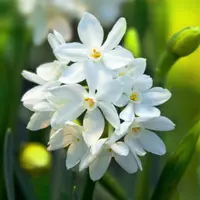
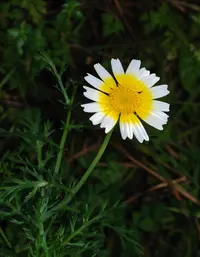
plains blackfoot Care (Melampodium leucanthum)

Also known as: blackfoot daisy, Rock daisy
plains blackfoot

About plains blackfoot

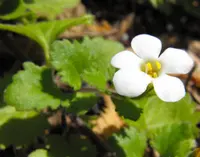
Plains blackfoot, Melampodium leucanthum, is a low, mounding perennial wildflower native to dry prairies and rocky slopes of the south-central United States and northern Mexico. It belongs to the aster family and forms clumps covered with many small white daisy-like flowers and fine, gray-green foliage.

This plant is adapted to heat, sun, and poor, well-drained soils, which makes it suitable for low-maintenance, water-wise plantings. It resents heavy, wet conditions, so good drainage is important.

Because it thrives in tough sites and blooms over a long season, many gardeners find it straightforward to care for plains blackfoot once it is established.

Main Plant Requirements

Care Difficulty

Easy Care

Light Preference

Full Sun

Water Requirements

Low Water

Temperature Preference

Warm Climate

Hardiness Zone

5–9

Soil Texture

Sandy, Loamy, Rocky

Soil pH

Slightly acidic (6.5–7.0), Slightly alkaline (7.0–7.5)

Soil Drainage

Well-drained

Fertilization

Minimal (feed rarely)

Get Personalized Care Plan

Scan your plant to receive care tips personalized for your specific plant

Available on iOS and Android

How to Care for the plains blackfoot

This drought-tolerant perennial thrives in strong sun typical of open, dry landscapes.

  • Provide 6–10 hours of direct sun daily; full sun all day produces the most compact growth and flowering for plains blackfoot.
  • Tolerates light afternoon shade, especially in very hot regions, but dense shade leads to weak, floppy stems and fewer blooms.
  • In cooler months, no special light adjustment is needed, but in intense summer heat, slight afternoon shade can reduce leaf scorch in reflective sites.

This species is adapted to dry, rocky habitats and needs careful, lean watering.

  • Outdoors in the ground, water deeply only when the top 5–8 cm of soil are completely dry and foliage begins to look slightly dull.
  • Use fast-draining, gritty soil; puddling after irrigation or rain indicates poor drainage that can cause root rot in Melampodium leucanthum.
  • In hot summer, monitor more often but still let soil dry between soakings; in cooler seasons, natural rain is often enough, and yellowing, soft stems signal overwatering.

This plant is heat-tolerant but sensitive to hard frost and prolonged cold, especially in poorly drained soils.

  • Best growth occurs around 70–90°F (21–32°C), typical of warm, dry climates with strong sun exposure.
  • Handles heat up to about 100–105°F (38–41°C) if soil is very well drained, but flowering may slow in extreme, prolonged heat.
  • Frost is damaging; protect or expect dieback below 30°F (-1°C) and avoid planting in low spots where cold air settles during late spring or early fall.

This species prefers dry to moderately dry air and usually does not need humidity adjustment indoors or outdoors.

Soil conditions strongly influence growth and longevity for Melampodium leucanthum.

  • Use very sandy or gravelly soil with a loose, open structure that mimics arid, rocky habitats.
  • Ensure rapid drainage; mix roughly 50–70% coarse sand or grit with the remaining portion as lean, low-organic topsoil.
  • Keep pH slightly alkaline to neutral, around 7.0–8.0, avoiding peat-heavy mixes that acidify and hold excess moisture.
  • Avoid compacted clay or moisture-retentive mixes, which quickly cause root rot and weak, leggy growth.

This species can be grown in containers if the potting setup stays very fast-draining and dry between waterings.

  • Select a wide, shallow container to match its low, spreading habit and prevent water pooling around the crown.
  • Use a heavy clay or ceramic pot to offset the light, gritty mix and reduce tipping in windy, exposed spots.
  • Raise the pot on feet or bricks so drainage holes stay clear and runoff leaves the root zone immediately.

This drought-adapted perennial needs minimal feeding, so use light, infrequent applications only during active growth.

  • Apply a diluted balanced liquid fertilizer (around 10-10-10 at 1/4 strength) once a month in spring–summer if growth or flowering seems weak.
  • Use a thin top-dressing of compost instead of heavy synthetic feeding, especially in poor sandy soils.
  • Avoid fertilizing plains blackfoot in fall–winter, as extra nutrients can cause weak, frost-sensitive growth.
  • Ensure soil drains well after feeding to prevent salt buildup around the roots.

Melampodium leucanthum benefits from light, targeted pruning to maintain a compact, flowering mound.

  • In late winter or early spring, trim back leggy stems by up to 1/3 to refresh shape and encourage dense new growth.
  • Remove spent flower heads and any dead or diseased stems during the growing season to extend blooming.
  • Thin crowded interior stems with clean hand pruners to improve air flow and reduce fungal issues.
  • Always use sharp, disinfected tools and make clean cuts just above a leaf node or branching point.

This species is most often grown in the ground, with transplanting more relevant than frequent repotting.

  • Transplant in early spring when new growth begins, avoiding hot midsummer periods that increase stress.
  • Look for signs like roots circling a container, soil drying very fast, or stalled growth before moving a potted plant up 1 size.
  • Water the plant deeply the day before transplanting, then disturb roots as little as possible and plant at the same depth.
  • After transplanting, water thoroughly, shade for a few days, and keep soil lightly moist until roots re-establish.

New plants are most commonly produced from seed, with some success also possible from soft stem cuttings.

  • Sow seeds in late winter–early spring on the soil surface or barely covered, using a well-draining, sandy mix.
  • Maintain 65–75°F, bright light, and even moisture until germination, then reduce watering slightly to prevent damping-off.
  • For cuttings, take 7–10 cm non-flowering stems in late spring, remove lower leaves, and insert into moist, gritty medium.
  • Provide high humidity and bright, indirect light until roots form, then gradually acclimate to drier, sunnier conditions.

This plant is fairly cold hardy in its native range and usually needs little active winter care in the ground.

  • In climates with prolonged freezes below local hardiness, add a light gravel or dry mulch layer over the root zone.
  • Avoid heavy, wet mulches that trap moisture and increase root rot risk during cool periods.
  • Container plants in cold regions should be moved to a bright, frost-free location and kept on the dry side.

Care Tips

Encourage Compact Form

Pinch back the longest stems in late spring before flowering to keep plants low, dense, and better able to withstand wind without lodging or breaking.

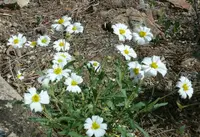
Gravel Collar Mulch

Apply a 2–3 cm ring of coarse gravel or small stones around the crown instead of organic mulch to keep stems dry at the base and reduce rot in heavy summer rains.

Improve Alkaline Sites

In very calcareous or compacted soils, lightly top-dress with fine crushed limestone or horticultural grit once a year to better match this species’ preference for alkaline, free-draining conditions.

Heat-Stress Management

In regions with extreme reflected heat from pavement or walls, place a light-colored stone or paver on the west or south side of the clump to reduce root-zone overheating while still keeping the site dry.

Self-Sowing Control

If you want tidy edging instead of spreading clumps, shear off spent flower heads as they fade to limit self-seeding while still maintaining continuous bloom when growing plains blackfoot.

Common Pests and Diseases

Spider mites

This pest often appears in hot, dry weather and may cause fine stippling on leaves and delicate webbing on stems and flower stalks. Symptoms include dulling of foliage color and gradual decline in vigor.

Solution

Rinse plants thoroughly with a firm stream of water, including the undersides of leaves, and repeat every few days until activity drops. For heavier infestations, use an insecticidal soap or horticultural oil labeled for spider mites, applied in the cooler part of the day to avoid leaf burn.

Leafhoppers

These insects feed on new growth and flower stems, causing pale speckling, distortion, and occasional yellowing of foliage. Symptoms include quick movement or small insects jumping when the plant is disturbed.

Solution

Reduce grassy weeds and tall vegetation nearby to limit harbor sites, then use a strong spray of water to dislodge nymphs from foliage. If damage persists, apply a light horticultural oil or pyrethrin-based product directed to the undersides of leaves, following label directions carefully.

Aphids

This pest clusters on young stems and flower stalks, sucking sap and excreting sticky honeydew that can attract sooty mold. Symptoms include curled new growth and reduced flowering.

Solution

Pinch or hose off dense colonies and check surrounding plants, since aphids move easily. When needed, use insecticidal soap or a neem oil spray, applied thoroughly to all soft tissue and repeated at 5–7 day intervals until populations collapse.

Powdery mildew

This disease appears as white, powdery patches on leaves and stems, usually during warm days with cooler, humid nights. Symptoms include distorted new growth and premature leaf aging, though this tough species may keep flowering.

Solution

Provide strong air circulation by spacing plants adequately and avoiding overhead watering late in the day. Remove the most affected foliage and, if needed, apply a sulfur or potassium bicarbonate fungicide labeled for powdery mildew at the first signs of infection.

Interesting Facts

High-heat prairie specialist

This species is native to hot, dry rangelands of the south-central U.S. and northern Mexico and continues to flower reliably through intense summer heat that stops many other wildflowers.

Night-closing, day-opening blooms

The white ray florets usually close at night and reopen in the morning, a nyctinastic movement that helps protect reproductive structures from nocturnal moisture and temperature stress.

Calcareous soil preference

In the wild, this plant is strongly associated with calcareous, often rocky soils derived from limestone, and is especially common on thin, well-drained soils over bedrock.

Botan icon

Did you know?

Genetic and morphological studies have shown that this species is closely related to several yellow-flowered Melampodium species, yet it is one of the few in the genus that consistently bears white ray florets, which likely contributes to its distinctive pollinator assemblage in its native range.

FAQs about plains blackfoot

Lack of blooms usually comes from too much shade, overly rich or wet soil, or heavy nitrogen fertilizer. Provide full sun, lean well-drained soil, and avoid overfeeding. Deadhead spent flowers to keep energy directed into new buds.

Grow Healthy Plants with Botan Care

Keep your plants happy and healthy with plant identification, disease detection, and easy care guidance.

Botan plant care app — identify plants on mobile

Explore More Plants