Paperwhites Care (Narcissus 'Ziva')

Also known as: Tazetta Narcissus, Daffodil

About Paperwhites

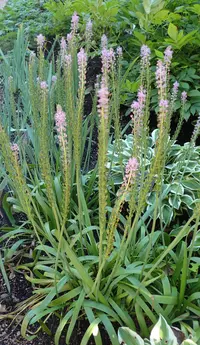
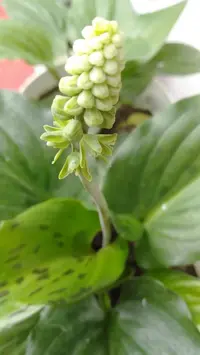
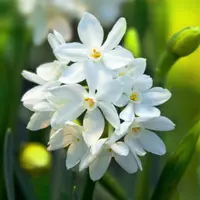
Paperwhites, especially the popular Narcissus 'Ziva', are tender, bulb-forming perennials often grown indoors for their winter blooms. They produce slender, upright leaves and clusters of small, white, star-shaped flowers with a strong fragrance.

This cultivar originates from Mediterranean-type narcissus breeding lines and is usually treated as a seasonal indoor plant in cooler climates. It grows quickly from dormant bulbs, making it a common choice for forcing in pots or shallow dishes.

Narcissus 'Ziva' is considered easy for beginners because it does not need chilling and flowers reliably from quality bulbs. Basic knowledge of how to care for Paperwhites, including bright light, even moisture, and well-drained potting mix, helps maintain sturdy growth and longer-lasting blooms.

Main Plant Requirements

Care Difficulty

Easy Care

Light Preference

Full Sun

Water Requirements

Regular Water

Temperature Preference

Cool Climate

Hardiness Zone

8–11

Soil Texture

Sandy, Loamy, Organic-rich

Soil pH

Acidic (5.5–6.5), Slightly acidic (6.5–7.0)

Soil Drainage

Moist but well-drained

Fertilization

Minimal (feed rarely)

Get Personalized Care Plan

Scan your plant to receive care tips personalized for your specific plant

Available on iOS and Android

How to Care for the Paperwhites

Narcissus 'Ziva' needs bright light to form strong leaves and flower stalks.

  • Outdoors, aim for 4–6 hours of direct sun, ideally morning sun with light afternoon shade, especially in warmer climates.
  • Indoors, place near a south- or west-facing window with bright, indirect light; turn the pot weekly so Paperwhites grow upright instead of leaning.
  • Too little sun causes weak, floppy growth, while intense all-day summer sun can scorch leaves, so provide light filtering or partial shade where afternoons are very hot.

Watering for Narcissus 'Ziva' focuses on steady moisture without waterlogging the bulbs.

  • After planting, keep soil evenly moist until shoots are 5–8 cm tall, then allow the top 2–3 cm of soil to dry before watering again.
  • Use sharply drained soil and, for containers, drainage holes so excess water runs off; persistent soggy soil leads to bulb rot and yellow, mushy bases.
  • In active growth, leaves that flop and feel limp often indicate underwatering, while pale, soft foliage and a sour smell from the soil suggest overwatering.

Temperature strongly influences sprouting speed, stem length, and flowering quality.

  • For root development, keep bulbs around 50–55°F (10–13°C) for several weeks, then move to 60–65°F (16–18°C) to encourage sturdy stems and buds.
  • Once in active growth, 60–70°F (16–21°C) by day and slightly cooler nights extend bloom life and reduce floppy, overly tall stems.
  • Narcissus 'Ziva' tolerates brief dips near 25–28°F (-4 to -2°C) in the ground, but potted bulbs are more vulnerable and should be protected from hard frost or heat above 75–80°F (24–27°C).

Humidity is rarely a limiting factor for Narcissus 'Ziva' and it performs well in most indoor home conditions.

  • Aim for 30–60% relative humidity, which matches typical heated or air‑conditioned homes.
  • Dry air is usually tolerated, but combined with high heat it can shorten flowering and cause faster leaf yellowing.
  • If air is very dry, place pots on a shallow pebble tray with water below the pot base to slightly raise local humidity.

Narcissus 'Ziva' prefers a loose, free‑draining, slightly moist substrate that never stays waterlogged.

  • Use a mix of roughly 2 parts standard potting mix, 1 part coarse sand, and 1 part perlite to create a light, airy texture.
  • Aim for a slightly acidic to neutral pH around 6.0–7.0, which supports root function and nutrient availability.
  • Ensure rapid drainage; water should drain from the pot within seconds, not pool on the surface or in the saucer.
  • Avoid heavy clay, peat‑only, or compacted mixes that hold water around the bulbs and promote rot.

This bulb is well suited to container growing, both indoors and outdoors in season.

  • Choose a pot only 5–8 cm wider than the cluster of bulbs so they support each other and stay upright as they elongate.
  • Use a container at least 12–15 cm deep so roots can extend fully and anchor the tall flowering stems.
  • Select a heavier ceramic or clay pot when growing Paperwhites to reduce tipping as flower stalks become top‑heavy.

Narcissus 'Ziva' needs only light, targeted feeding to support flowering in its short active season.

  • Use a balanced, water-soluble fertilizer (around 10-10-10) at 1/2 strength when new shoots appear and again at early bud stage.
  • On rich garden soil, skip fertilizer; in pots, good starting compost or bulb fertilizer mixed into the medium is helpful for caring for Paperwhites.
  • Avoid high-nitrogen products, which promote weak, floppy leaves instead of strong flower stems.
  • Stop feeding once flowers fade and allow foliage to photosynthesize until it yellows naturally.

Pruning Narcissus 'Ziva' focuses on removing spent flowers while preserving foliage for bulb strength.

  • After blooms fade, deadhead by cutting the flower stem near the base, leaving all green leaves intact.
  • Do not tie, braid, or cut foliage until it turns fully yellow and limp, usually several weeks after flowering.
  • Remove only damaged, diseased, or completely dried leaves using clean, sharp scissors or pruners.
  • Good post-bloom leaf maintenance helps channel energy back into the bulbs for stronger flowering next season.

Container-grown Narcissus 'Ziva' may need occasional repotting or outdoor transplanting once bulbs crowd the pot.

  • Check for roots circling the pot, bulbs pressed against the container sides, or reduced flowering as signs space is tight.
  • Plan to divide and replant every 2–3 years, ideally after foliage has yellowed in late spring or early summer.
  • Lift bulbs gently, separate offsets by hand, discard any soft or diseased bulbs, and replant at the same depth in fresh, free-draining mix or soil.
  • Water lightly after replanting, keep bulbs cool and shaded for 1–2 weeks, then return to brighter conditions to minimize transplant stress.

Narcissus 'Ziva' is most commonly propagated by bulb division rather than from seed.

  • Divide clumps after flowering when foliage has died back and bulbs are dormant, typically late spring to early summer.
  • Carefully dig up the clump, separate naturally formed offsets from the parent bulbs by hand, and inspect for rot or damage.
  • Replant offsets in well-drained soil or a gritty bulb mix, spacing bulbs so they do not touch and planting 2–3 times their height deep.
  • Water once after planting, then keep only slightly moist until active root growth resumes in the next growing cycle.

Winter care for Narcissus 'Ziva' depends on climate and whether bulbs are in the ground or in containers.

  • In mild climates (zones around 8–10), bulbs can usually remain in the ground without special winter protection.
  • In colder areas, apply a 5–8 cm mulch layer over in-ground bulbs after soil cools, especially where freeze–thaw cycles are common.
  • Move containers to a frost-free but cool spot (35–50°F), such as an unheated garage, to prevent bulbs and pots from freezing solid.

Care Tips

Support Leggy Stems

Place tall glass pebbles, gravel, or decorative stones around the bulbs and midway up the stems in the container to provide discreet mechanical support and reduce flopping as the flower stalks elongate.

Alcohol Growth Control

After roots and shoots are 3–5 cm long, replace plain water with a 4–6% alcohol solution made from clear spirits like gin or vodka (1 part 40% spirit to 7 parts water) to limit stem height and keep plants compact without reducing flowering.

Chill For Staggered Blooms

Store unpotted bulbs in a paper bag at 40–50°F for 3–4 weeks, and bring small batches out at 10–14 day intervals to stage flowering over a longer indoor season.

Rotate For Even Growth

Turn containers 90° every 2–3 days so the stems grow upright and evenly rather than leaning strongly toward the nearest window or light source.

Post‑Bloom Bulb Management

After flowering in soil, move pots to a bright, cool spot and continue light watering until foliage yellows naturally, then let the bulbs dry in the pot and discard or plant outdoors in mild climates, since rebloom indoors is unreliable when growing Paperwhites.

Common Pests and Diseases

Narcissus bulb fly

This pest targets Narcissus bulbs, tunneling into the bulb and destroying the growing point. Symptoms include weak, distorted shoots or complete failure of bulbs to emerge.

Solution

Lift and inspect bulbs if growth is weak, discarding any that feel soft or show tunneling. In future seasons, plant healthy, firm bulbs, cover planting holes quickly after planting, and in outdoor beds use fine mesh or fleece over newly planted areas during the main egg-laying period in late spring to reduce infestation.

Basal bulb rot

This disease is caused mainly by Fusarium fungi and leads to browning and rotting at the base of the bulb. Symptoms include yellowing, stunted foliage and bulbs that feel soft or show pinkish or brown decay at the basal plate.

Solution

Remove and discard all affected bulbs, including potting mix if plants were grown in containers. For future growing Paperwhites, use only clean, firm bulbs, well-draining substrate, avoid overwatering, and rotate storage or planting sites to reduce fungal buildup.

Narcissus smoulder

This disease, caused by the fungus Botrytis narcissicola, produces brown leaf spots, blighting of foliage, and in severe cases collapse of the entire plant. Symptoms include fuzzy gray mold on leaves, flowers, or bulb surfaces in cool, damp conditions.

Solution

Promptly remove and discard affected leaves, flowers, and bulbs, and avoid overhead watering that wets the foliage. Improve air circulation, space bulbs so plants are not crowded, and store bulbs in dry, cool, well-ventilated conditions to prevent recurrence.

Stem and bulb nematode

These microscopic worms invade bulbs and stems, causing swelling, distortion, and internal browning of bulb tissues. Symptoms include twisted, thickened leaves and poor flowering, with bulbs becoming spongy and layered with brown patches.

Solution

Discard all suspect bulbs and avoid reusing soil or containers that held infested plants. For future plantings, purchase certified nematode-free bulbs, avoid planting Narcissus in known infested ground, and practice good hygiene by cleaning tools and containers before reuse.

Slugs and snails

These pests feed on emerging shoots and flower stems, especially in outdoor plantings, leaving irregular holes and slime trails. Symptoms include ragged leaf edges and damaged buds, particularly in cool, damp weather.

Solution

Hand-pick slugs and snails in the evening, use physical barriers such as copper tape around pots, and keep debris and dense mulch away from bulb clumps. In heavy infestations, place iron phosphate slug bait according to label directions, keeping it away from children and pets.

Interesting Facts

Forced for winter

This cultivar is specifically selected for fast indoor forcing and reliably produces flowers in about 4–6 weeks without any chilling period, unlike many other narcissus types that need a cold rest.

Strong fragrance profile

It has an especially intense, sweet, musky floral scent due to high levels of volatile aromatic compounds, which some people enjoy and others find overpowering in small rooms.

Mediterranean origin

This paperwhite belongs to a group derived from Mediterranean Narcissus tazetta forms, which are adapted to mild, moist winters and hot, dry summers and therefore behave as tender bulbs in colder climates.

Botan icon

Did you know?

Commercial stocks of this cultivar are almost entirely vegetatively propagated from bulbs, so plants in garden centers are essentially clones, which helps keep flower form, fragrance, and bloom timing consistent from year to year.

FAQs about Paperwhites

Lack of flowers usually comes from old, exhausted bulbs, insufficient chilling before forcing, or weak light during growth. Use fresh, firm bulbs each season, provide bright conditions, and avoid overwatering, which can rot developing buds when growing Paperwhites indoors.

Grow Healthy Plants with Botan Care

Keep your plants happy and healthy with plant identification, disease detection, and easy care guidance.


Botan plant care app — identify plants on mobile

Explore More Plants