Japanese jacinth Care (Barnardia japonica)

Also known as: Chinese squill
Japanese jacinth

About Japanese jacinth

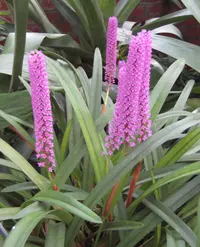
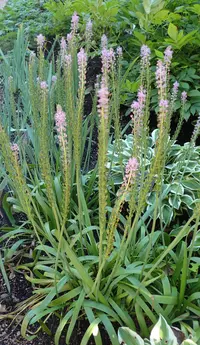
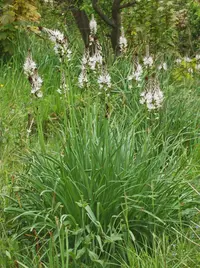
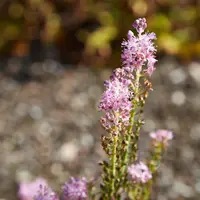
Japanese jacinth, Barnardia japonica, is a small bulb-forming perennial from East Asia, especially Japan, China, and Korea. It grows from underground bulbs that send up neat rosettes of narrow, grass-like leaves. In late summer to fall it produces short spikes of many tiny star-shaped flowers, usually soft lilac to pink, giving a delicate yet tidy display. The plant stays compact, so it suits small gardens, rock gardens, and containers. It is generally undemanding if given well-drained soil and modest, regular moisture. Once the basic needs are understood, it is straightforward to care for Japanese jacinth in temperate climates.

Main Plant Requirements

Care Difficulty

Moderate Care

Light Preference

Partial Sun

Water Requirements

Moderate Water

Temperature Preference

Cool Climate

Hardiness Zone

5–9

Soil Texture

Sandy, Loamy, Organic-rich

Soil pH

Acidic (5.5–6.5), Slightly acidic (6.5–7.0)

Soil Drainage

Well-drained

Fertilization

Minimal (feed rarely)

Get Personalized Care Plan

Scan your plant to receive care tips personalized for your specific plant

Available on iOS and Android

How to Care for the Japanese jacinth

This bulb prefers bright, soft light that mimics open woodland edges.

  • Provide 4–6 hours of morning sun with light afternoon shade; dappled or filtered light under shrubs or trees suits Japanese jacinth well.
  • In hotter regions, protect from strong midday and late-afternoon sun to reduce leaf scorch and premature yellowing.
  • In spring and early summer, ensure it is not shaded by fast-growing plants; insufficient light leads to weak flowering and stretched foliage.

This species benefits from steady but not excessive moisture during active growth.

  • Water when the top 3–5 cm of soil feel dry, then water deeply so moisture reaches the bulbs without leaving the area soggy.
  • Ensure sharply drained soil; sand or fine gravel in the planting zone helps prevent bulb rot from prolonged saturation.
  • Reduce watering sharply once foliage yellows and dies back, as Barnardia japonica enters dormancy and prefers drier conditions until new growth appears.

This bulb is adapted to temperate climates with cool winters and mild to warm summers.

  • Active growth is strongest around 60–75°F (16–24°C); stable spring and early autumn temperatures support healthy leaves and flowering.
  • Dormant bulbs can tolerate down to about 10–15°F (-12 to -9°C) if soil drains well and is mulched lightly for winter protection.
  • Short heatwaves up to 85–90°F (29–32°C) are tolerated if soil does not dry out completely; prolonged extreme heat may shorten the flowering period.

This bulb tolerates typical indoor humidity but benefits from slightly moist air in heated homes.

  • Aim for 40–60% humidity to keep Barnardia japonica foliage from drying at the tips.
  • It copes with short periods of dry air, but prolonged levels under 30% may cause leaf tip browning and slower growth.
  • Increase humidity with a nearby pebble tray or grouping plants, rather than misting, which adds only brief surface moisture.

This species prefers a loose, sharply drained mix that mimics rocky, humus-rich woodland soil.

  • Use a blend of roughly 40% fine bark or compost, 40% gritty sand or pumice, and 20% standard potting mix to balance moisture and drainage.
  • Ensure the mix crumbles easily in the hand; compacted or sticky soil around Barnardia japonica bulbs encourages rot.
  • Keep pH slightly acidic to neutral, around 6.0–7.0, which supports nutrient uptake and root health.
  • Avoid heavy clay, peat-only mixes, or any medium that stays wet for more than 2–3 days after watering.

This bulb is well suited to container growing when the pot and medium prevent waterlogging.

  • Choose a pot deeper than it is wide so the bulbs sit at least 5–8 cm above the base with room for roots to extend downward.
  • Use a heavier ceramic or clay container outdoors to reduce tipping if the flower spikes catch wind.
  • Leave a 2–3 cm gap below the rim to simplify even watering without runoff that can wash the bulbs partly out of the mix.

This bulb prefers light feeding, so focus on modest nutrition rather than heavy fertilization for Japanese jacinth.

  • Use a balanced granular or slow-release fertilizer (around 10-10-10) mixed into the topsoil at the start of spring growth.
  • Apply a light dose once per growing season for in-ground clumps; container plants may benefit from a second, half-strength feeding mid-season.
  • Stop feeding once foliage begins to yellow and the plant enters dormancy to avoid weak, soft growth.
  • Avoid high-nitrogen lawn fertilizers and always water after application to reduce root burn risk.

Barnardia japonica needs minimal pruning, mainly to keep the clump tidy and healthy.

  • Cut spent flower stalks at the base after blooming to direct energy back to the bulbs.
  • Remove yellowing or diseased leaves promptly, using clean, sharp scissors or hand pruners.
  • Do any cleanup in late summer to early fall, once foliage naturally declines.
  • Avoid cutting actively green leaves, as this can reduce next year’s flowering potential.

This bulb is usually grown in the ground, but container-grown plants or crowded clumps benefit from occasional transplanting.

  • Look for slow growth, small flower spikes, or roots circling the pot drainage holes as signs it needs more space.
  • Transplant or divide clumps in late summer to early fall, after foliage has died back and the bulbs are dormant.
  • Plan on lifting and dividing every 3–5 years, replanting bulbs 5–8 cm deep in well-drained soil.
  • Handle bulbs gently, keep roots slightly moist, and water lightly after replanting to settle soil without waterlogging.

Barnardia japonica is commonly propagated by bulb division and, less often, from seed.

  • Divide mature clumps in late summer to early fall, when foliage has withered and bulbs are dormant.
  • Lift the clump carefully, separate offsets by hand, and discard any soft or damaged bulbs.
  • Replant healthy bulbs at the same depth in gritty, well-drained soil, spacing 5–10 cm apart.
  • For seeds, sow fresh in fall on the surface of a free-draining mix, keep lightly moist, and expect slow germination.

This bulb is moderately cold hardy and often needs only simple winter care in temperate climates.

  • In USDA zones about 6–9, dormant bulbs usually overwinter in the ground without extra protection if soil drains well.
  • Apply a 3–5 cm layer of loose mulch over the planting area after the ground cools, especially in colder or exposed sites.
  • Container plants are more vulnerable; move pots into a cold, bright, frost-free area or heel them into the ground for insulation.

Care Tips

Bulb crowding

Plant bulbs in small, dense clumps and allow them to remain undisturbed for several years, since slight crowding often improves flowering and creates a natural-looking colony.

Summer dormancy care

After foliage yellows and dies back, keep the potting mix almost dry and move containers to a shaded, airy spot so bulbs do not rot during their natural summer dormancy.

Winter protection

In colder regions, grow this species in pots and move them to a cold but frost-free area for winter, or mulch in-ground plantings with 5–8 cm of dry leaves to shield bulbs from freeze–thaw cycles.

Labeling and mapping

Label clumps and note their location on a simple sketch or app while leaves are visible, since the bulbs are small and easy to disturb or accidentally dig up when dormant.

Timed repotting

Repot or divide clumps only when new root tips just start to appear at the base of the bulbs in late winter to early spring, which minimizes transplant shock and supports strong regrowth when caring for Japanese jacinth.

Common Pests and Diseases

Bulb mites

This pest attacks the bulbs, feeding on the scales and basal plate and creating small brown pits that weaken growth or prevent sprouting. Symptoms include poor emergence, stunted leaves, and bulbs that feel soft or corky when inspected.

Solution

Discard heavily infested bulbs and replant only firm, clean stock in fresh, well-drained substrate. For mild issues, dry affected bulbs, remove damaged tissue, and dust with sulfur or a labeled miticidal bulb treatment before replanting, then avoid storing bulbs in damp conditions to reduce future mite buildup.

Narcissus bulb fly

This pest lays eggs at the neck of the bulb, and the larvae tunnel inside, hollowing the bulb and causing sudden collapse of leaves during the growing season. Symptoms include distorted or yellowing foliage and bulbs that show a single large cavity with a grub or dark frass inside.

Solution

Remove and destroy any bulbs showing internal tunneling and collapse, and lift nearby bulbs to inspect and discard any that are suspect. In regions where this fly is common, protect dormant bulbs with fine mesh or fleece during peak egg-laying periods and avoid leaving exposed bulbs on the soil surface, which makes them easier targets.

Slugs and snails

These pests feed on emerging shoots and foliage, leaving irregular holes and slime trails, especially in shaded, moist beds. Symptoms include chewed tips on young leaves and sometimes complete loss of new shoots in early spring.

Solution

Hand-pick slugs and snails in the evening, use barriers such as copper tape around pots, and keep debris and dense mulch away from the bulb crown. In high-pressure areas, apply iron phosphate slug bait according to label directions to protect new growth during the main emergence period.

Basal plate rot

This disease affects the base of the bulb where roots form, leading to browning, softening, and a dry rot that can prevent normal sprouting. Symptoms include weak or missing shoots, yellowing foliage, and bulbs that show brown, sunken tissue at the base when cut open.

Solution

Remove and discard any bulbs with basal discoloration or soft tissue, and never replant them. Before planting healthy bulbs, ensure very sharp drainage, avoid overwatering during dormancy, and consider dusting bulbs with a fungicidal bulb dressing or sulfur to limit fungal spread in storage and in the soil.

Leaf spot

This disease causes small brown to reddish lesions on the narrow leaves, which can merge into larger blotches and lead to early leaf yellowing. Symptoms include spotted or streaked foliage that dies back sooner than normal, reducing bulb strength for the next season.

Solution

Promptly remove and discard spotted leaves and plant debris to lower the source of infection, and water at the soil level rather than over the foliage. Improve spacing and airflow, and if the problem recurs yearly, apply a labeled ornamental bulb fungicide at the first sign of spotting in spring as part of broader Barnardia japonica care.

Interesting Facts

Late-season woodland bloomer

This bulbous species naturally flowers in late summer to autumn, after many woodland plants have finished, providing late nectar resources for insects in its native East Asian range.

Distinctive two-row bulbs

The genus name refers to its bulbs, which often form in compressed, overlapping tiers that look like they are arranged in two rows, a structural trait used by botanists to identify the plant.

Summer dormancy strategy

In many climates the foliage dies back and the bulb goes dormant during the warmest months, an adaptation that helps it survive seasonal dryness in parts of its native habitat.

Botan icon

Did you know?

Genetic and morphological studies suggest that this species represents a relatively isolated lineage within the asparagus family (Asparagaceae), so much so that it has been moved between several genera historically as botanists refined its classification.

FAQs about Japanese jacinth

Flowering declines when bulbs are too crowded, planted too deep, or exhausted from past seasons. Lack of a cool winter rest, excess shade, or heavy feeding with high-nitrogen fertilizer can also reduce bud formation and flower quality.

Grow Healthy Plants with Botan Care

Keep your plants happy and healthy with plant identification, disease detection, and easy care guidance.

Botan plant care app — identify plants on mobile

Explore More Plants