Moisture-buffer mulch
Apply a 5–8 cm layer of shredded bark or leaf mold around the clump, keeping it 3–5 cm away from the crowns, to buffer soil moisture and keep roots cool during summer.

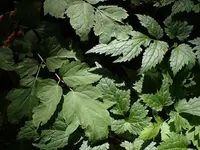
Actaea cordifolia, sometimes called white cohosh or Appalachian bugbane, is a shade-loving perennial from rich woodlands of the southeastern United States. It forms upright clumps of broad, heart-shaped leaves that create a dense, elegant mound of foliage.
In late spring to early summer it sends up tall, airy spikes of small white flowers that attract pollinators and give a light, feathery look. This species suits woodland gardens and naturalistic plantings where competition from aggressive sun-lovers is low.
It prefers cool, moist, humus-rich soil and dappled to deep shade, which makes how to care for Actaea cordifolia somewhat specialized but manageable in sheltered, consistently moist gardens.

Care Difficulty
Moderate Care

Light Preference
Partial Shade

Water Requirements
Keep Soil Moist

Temperature Preference
Cool Climate

Hardiness Zone
4–8

Soil Texture
Loamy, Silty, Organic-rich

Soil pH
Acidic (5.5–6.5), Slightly acidic (6.5–7.0)

Soil Drainage
Moist but well-drained

Fertilization
Minimal (feed rarely)
Scan your plant to receive care tips personalized for your specific plant
Available on iOS and Android
This woodland perennial prefers cool, shaded conditions with only brief direct sun.
This species prefers consistently moist, never soggy, soil throughout the growing season.
This hardy perennial is adapted to cool, temperate climates with cold winters and mild summers.
This woodland perennial prefers moderately moist air but usually adapts to typical outdoor garden humidity.
This species thrives in deep, humus-rich, consistently moist soil that mimics a cool woodland floor.
This plant can be grown in containers, but pots must replicate its deep, cool, evenly moist woodland conditions.
This woodland perennial benefits from light feeding but Actaea cordifolia is sensitive to overfertilization.
Pruning needs are modest and mainly focused on cleanliness and safety for this toxic-berry species.
This plant is best grown in the ground; focus on careful transplanting rather than frequent repotting.
Propagation of this clumping perennial is possible but somewhat limited in frequency to protect established plants.
This woodland perennial is generally cold hardy in temperate climates and needs only modest winter care.

Plant Health Check
Not sure what's wrong with your plant? Check your plant's health inside the app.
This species is native to rich, moist forests of the southern Appalachian Mountains, where it grows in cool ravines and along shaded stream slopes at mid to higher elevations.
Among North American Actaea species, it is notable for its relatively large, heart-shaped leaflets, which give the plant a softer, more rounded texture compared with the more sharply divided foliage of related baneberries.
Its airy clusters of small white flowers appear in late spring to early summer in deep shade, providing nectar and pollen for woodland insects at a time when few other understory plants are in full bloom.
Yes. The white, bottlebrush-like flower spikes are rich in nectar and pollen, attracting bees, hoverflies, and some small butterflies. Later, the berries provide seasonal interest but should not be eaten.
Keep your plants happy and healthy with plant identification, disease detection, and easy care guidance.