Begonia hemsleyana Care

Begonia hemsleyana

About Begonia hemsleyana

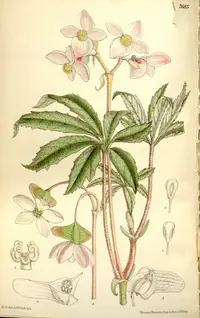
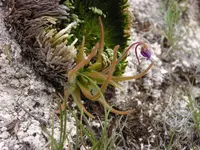
Begonia hemsleyana is a rhizomatous begonia valued for its patterned foliage and compact, bushy growth. It is mainly grown as an ornamental houseplant or in shaded collections. Native to subtropical regions of China, it typically grows on forest floors or rocky, humid slopes, where light is filtered and conditions stay moist but not waterlogged. The plant forms a low mound of asymmetric leaves, often with contrasting veins and a slightly textured surface. Stems and leaves are moderately delicate, so it dislikes rough handling and strong drafts. Its need for stable warmth, high humidity, and evenly moist, well-drained soil makes it moderately demanding. Beginners can care for Begonia hemsleyana successfully if they provide consistent conditions and avoid overwatering.

Main Plant Requirements

Care Difficulty

Moderate Care

Light Preference

Bright Indirect Light

Water Requirements

Keep Soil Moist

Temperature Preference

Tropical / Frost Sensitive

Hardiness Zone

11–12

Soil Texture

Loamy, Peaty, Organic-rich

Soil pH

Acidic (5.5–6.5)

Soil Drainage

Moist but well-drained

Fertilization

Light (every 4–6 weeks)

Get Personalized Care Plan

Scan your plant to receive care tips personalized for your specific plant

Available on iOS and Android

How to Care for the Begonia hemsleyana

This species prefers soft, filtered light that mimics a bright forest understory.

  • Provide 3–5 hours of gentle morning sun with bright, dappled or filtered light for the rest of the day; avoid harsh midday and afternoon sun.
  • Grow Begonia hemsleyana in partial shade outdoors, such as under open trees or on a shaded porch, where it receives indirect light most of the day.
  • Watch leaf color and texture: pale, crispy, or scorched patches indicate too much sun, while stretched, floppy stems signal insufficient light, especially in winter.

Watering should keep the root zone evenly moist without staying saturated.

  • Water when the top 2–3 cm of soil feels dry, letting water run through freely, then discard any standing water to protect roots from rot.
  • Use a loose, well-draining mix rich in organic matter so moisture holds briefly but excess drains away; avoid compacted or heavy clay soil.
  • Reduce watering in cooler months when growth slows, and watch for yellowing, mushy stems as a sign of overwatering or crisp, curling leaves as a sign of underwatering in Begonia hemsleyana.

Stable, mild warmth supports healthy foliage and flowering.

  • Aim for 65–80°F (18–27°C) during active growth, as this range supports steady metabolism and root function.
  • Protect from cold: growth slows below about 55°F (13°C), and frost at 32°F (0°C) or lower can quickly kill leaves and stems.
  • In hot spells above 86°F (30°C), give extra shade and airflow, and avoid placing the plant near heat-reflective surfaces that can scorch foliage.

This species benefits from consistently moderate to high humidity.

  • Aim for 50–70% humidity to keep Begonia hemsleyana foliage lush and reduce leaf-edge browning.
  • It tolerates short dry-air periods, but prolonged levels below 40% often cause crisp leaf tips and curling.
  • Increase humidity with a pebble tray, grouping plants, or a small humidifier rather than misting, which can encourage leaf spots.

This plant prefers a loose, airy, organic-rich substrate that drains quickly but holds some moisture.

  • Use a peat- or coco-based mix with added perlite and fine bark to create a light, well-aerated structure.
  • Aim for slightly acidic to neutral pH around 6.0–7.0, which supports nutrient availability and healthy root function.
  • Ensure rapid drainage; water should exit the pot within seconds, leaving the mix lightly damp rather than soggy.
  • Avoid heavy garden soil, high-clay mixes, or dense compost layers that compress and reduce oxygen around the roots.

This species is well suited to container culture.

  • Choose a pot only slightly wider than the root system so the mix dries evenly and excess moisture does not linger around the roots.
  • Select a stable, heavier container if foliage becomes dense, to prevent tipping as the plant leans toward light.
  • Use a pot material with moderate porosity, such as ceramic, to balance moisture retention and evaporation for consistent root conditions.

Light, consistent feeding supports healthy foliage and steady growth in Begonia hemsleyana.

  • Use a balanced water-soluble fertilizer (for example 10-10-10 or 20-20-20) diluted to 1/4–1/2 strength.
  • Feed every 3–4 weeks during the active growing season, after watering the soil lightly first.
  • Pause or reduce feeding to once every 6–8 weeks in winter or dormancy, depending on growth.
  • Organic growers can use a thin layer of fine compost or a mild slow-release fertilizer in spring.

Thoughtful pruning keeps Begonia hemsleyana compact, well-shaped, and free of weak growth.

  • Best time is late winter to early spring, before strong new growth starts.
  • Remove dead, diseased, or damaged stems first, then thin crowded or crossing shoots.
  • Pinch or trim soft tips to encourage branching and a fuller silhouette.
  • Use clean, sharp scissors or pruners and make cuts just above a node to reduce dieback.

Container-grown plants benefit from occasional repotting to refresh soil and manage root health.

  • Repot when roots circle the pot, push through drainage holes, or when growth becomes weak despite good care.
  • Plan repotting for spring, about every 2–3 years, when new growth is starting.
  • Move into a container only 2–3 cm wider, using airy, well-drained, peat-free potting mix.
  • Loosen circling roots gently, keep the crown at the same depth, water thoroughly, then keep shaded for a few days to limit stress.

Vegetative propagation is the most reliable way to maintain the exact form of Begonia hemsleyana.

  • Use stem or leaf cuttings in late spring to summer, when growth is firm but not woody.
  • Place cuttings in a light, moist, well-drained mix and keep humidity around 60–70%.
  • Maintain gentle bottom warmth of 70–75°F and bright, indirect light for rooting.
  • For division, separate clumps with at least one healthy bud each and replant promptly, keeping soil just moist.

This species is frost sensitive and needs careful winter management in cool climates.

  • Move container plants indoors before temperatures drop below 50°F, providing bright, indirect light.
  • Keep indoor temperatures around 60–70°F and reduce watering so the soil stays slightly moist, not wet.
  • In mild climates, apply a light mulch around the root zone, keeping it away from stems to avoid rot.

Care Tips

Use wide pots

Choose a shallow, wide container rather than a deep one to accommodate the fibrous, surface-leaning roots and allow the rhizome to spread without staying waterlogged at the bottom.

Protect fragile stems

Place the pot where it will not be brushed by people, pets, or curtains, since the brittle stems snap easily and wounds can invite fungal infection.

Rotate for even growth

Turn the pot 90° every 1–2 weeks so the plant develops a balanced canopy and does not lean or stretch toward the light source on one side only.

Leaf-level pest scouting

Inspect the undersides of leaves and along stems every 1–2 weeks with a hand lens if available, focusing on tender new growth where spider mites, mealybugs, and aphids establish first.

Seasonal rest adjustment

During the plant’s natural slower period in late fall to winter, reduce handling, repotting, and division, and only resume such work in spring when new buds and leaves begin to form, which supports healthier responses when caring for Begonia hemsleyana.

Common Pests and Diseases

Powdery mildew

This disease often appears on humidity-loving begonias grown with poor air circulation, causing a white, powdery coating on leaves and stems. Symptoms include distorted new growth and a dull, greyed appearance of the foliage.

Solution

Remove heavily infected leaves, increase air movement around the plant, and avoid wetting the foliage when watering. Treat remaining growth with a sulfur-based or potassium bicarbonate fungicide labeled for ornamental plants, repeating as directed until new growth is clean.

Bacterial leaf spot

This disease causes translucent, water-soaked spots that turn brown and may merge, often starting on older leaves in warm, humid conditions. Symptoms include yellow halos around spots and rapid tissue collapse if moisture remains on the foliage for long periods.

Solution

Promptly remove and discard affected leaves, keep water off the foliage, and space plants to improve airflow. Reduce overhead watering, ensure good drainage, and if spread continues, discard severely affected plants to protect nearby begonias.

Botrytis blight

This disease develops under cool, damp, and still air, leading to soft brown lesions on leaves, stems, and flowers covered with grey, fuzzy mold. Symptoms include rapid decay of tender tissue and dropping flowers or buds.

Solution

Cut away all affected tissue, including faded flowers, and dispose of it in the trash. Improve ventilation, reduce humidity around the foliage, and if needed apply a botrytis-targeted fungicide, making sure the plant dries promptly after each watering.

Mealybugs

These insects feed on plant sap, forming white, cottony clusters in leaf axils, along stems, and sometimes on roots. This pest causes sticky honeydew, leaf yellowing, and general decline, especially in sheltered indoor conditions typical for Begonia hemsleyana indoor care.

Solution

Isolate the plant, then dab visible insects with cotton swabs dipped in 70% isopropyl alcohol and wipe leaf undersides thoroughly. Repeat inspections weekly, rinse the plant with lukewarm water, and use a systemic insecticide or horticultural oil if infestations persist.

Spider mites

These pests thrive in warm, dry indoor air, causing fine speckling on leaves and very thin webbing between leaf stalks. This pest leads to dull, greyed foliage that may curl and drop if not controlled early.

Solution

Shower the plant gently with lukewarm water to remove mites and webbing, then increase ambient humidity while still keeping good airflow. For continued infestations, treat the plant with insecticidal soap or a miticide labeled for indoor ornamentals, repeating at 5–7 day intervals to break the life cycle.

Interesting Facts

Chinese limestone specialist

This species is naturally restricted to shaded, humid limestone cliffs and rocky slopes in southern China, where it grows in crevices and pockets of leaf litter rather than typical soil.

Distinctive pale venation

Its dark, often olive to brownish-green leaves show contrasting pale veins and a lighter underside, a pattern that helps distinguish it from many other Asian rhizomatous begonias.

Rhizomatous growth habit

The plant grows from creeping, thickened rhizomes that store water and nutrients, allowing it to spread slowly over rock surfaces and survive short periods of drought in its native habitat.

FAQs about Begonia hemsleyana

Brown, crispy leaf edges usually result from low humidity, underwatering, or salt buildup from fertilizer. Check soil moisture, flush the potting mix occasionally, and increase ambient humidity with a tray of water and pebbles nearby.

Grow Healthy Plants with Botan Care

Keep your plants happy and healthy with plant identification, disease detection, and easy care guidance.

Botan plant care app — identify plants on mobile

Explore More Plants