Pinch For Bushiness
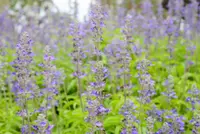
Pinch out the main stem tips when plants are 10–15 cm tall to encourage branching, stronger stems, and many more flowering shoots.

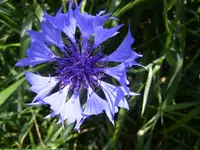
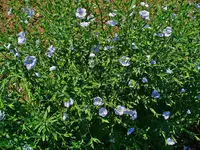
Cornflower, or Centaurea cyanus, is an annual flowering plant known for its bright blue, daisy-like blooms and upright, slender stems. It forms loose clumps that work well in borders and meadow-style plantings.
This species is native to parts of Europe, where it once grew commonly in grain fields and open, sunny areas. It has since become a popular ornamental plant in many temperate gardens.
Cornflower is generally easy to grow, as it tolerates poor soils and light drought once established. It prefers full sun, well-drained soil, and moderate moisture, which makes it straightforward to care for cornflower in typical garden conditions.

Care Difficulty
Easy Care

Light Preference
Full Sun

Water Requirements
Moderate Water

Temperature Preference
Cool Climate

Hardiness Zone
2–11

Soil Texture
Sandy, Loamy, Silty

Soil pH
Slightly acidic (6.5–7.0), Neutral (7.0)

Soil Drainage
Well-drained

Fertilization
Minimal (feed rarely)
Scan your plant to receive care tips personalized for your specific plant
Available on iOS and Android
Centaurea cyanus performs best in open, bright locations with consistent direct sun.
This species prefers moderate, deep watering with time for the soil to dry slightly between soakings.
This cool-season annual grows best in mild conditions without extreme heat or deep freezes.
Humidity is not a major factor for Centaurea cyanus, which prefers typical outdoor air conditions.
This species prefers light, well-drained soils that do not stay wet for long periods.
This species can grow successfully in containers outdoors when given adequate root space and sharp drainage.
Nutrient needs for Centaurea cyanus are modest, especially in reasonably fertile soil.
Pruning Centaurea cyanus supports prolonged flowering and keeps plants tidy.
Centaurea cyanus is usually grown as an annual in beds, with transplanting more relevant than long-term repotting.
Seed propagation is the standard method for Centaurea cyanus.
Centaurea cyanus is generally treated as an annual and needs only minimal winter care.

Plant Health Check
Not sure what's wrong with your plant? Check your plant's health inside the app.
Centaurea cyanus was originally a wild field weed in European cereal crops, especially rye and wheat, and declined sharply in the 20th century due to intensive herbicide use and modern seed cleaning.
This species produces pale, almost white pollen that contrasts with its blue florets, which helps pollinators visually locate pollen and nectar within the flower head.
The characteristic blue color results from a metal–anthocyanin complex called protocyanin, a pigment structure that also occurs in red roses but forms a different complex there, leading to a different color outcome.

The species is the national flower of Estonia and is widely used as a political and cultural symbol in several European countries, including as a remembrance emblem in France and Germany associated with historical conflicts.
Lack of flowers often comes from too much shade, excess nitrogen fertilizer, or letting plants become crowded. Deadhead spent blooms, avoid rich high‑nitrogen feeds, and ensure full sun to keep flowering consistent when growing cornflower.
Keep your plants happy and healthy with plant identification, disease detection, and easy care guidance.