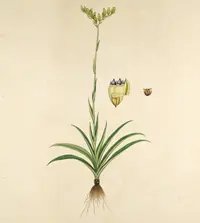
aboriginal willowherb Care (Epilobium billardierianum)

aboriginal willowherb

About aboriginal willowherb

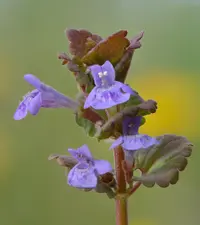
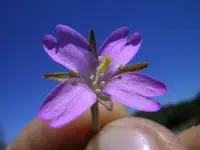
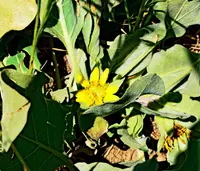
Aboriginal willowherb, Epilobium billardierianum, is a small perennial herb found mainly in Australia and New Zealand. It usually grows in open, sunny habitats and along damp, disturbed ground. Plants form slender, upright stems with narrow leaves and small pink to purple flowers that appear in loose clusters, followed by long seed pods. This species is generally considered undemanding and can adapt to a range of garden conditions as long as the soil drains reasonably well. Light, regular moisture and an open position make it easier to care for aboriginal willowherb in cultivation.

Main Plant Requirements

Care Difficulty

Moderate Care

Light Preference

Full Sun

Water Requirements

Regular Water

Temperature Preference

Cool Climate

Hardiness Zone

7–10

Soil Texture

Sandy, Loamy, Silty

Soil pH

Acidic (5.5–6.5), Slightly acidic (6.5–7.0)

Soil Drainage

Moist but well-drained

Fertilization

Minimal (feed rarely)

Get Personalized Care Plan

Scan your plant to receive care tips personalized for your specific plant

Available on iOS and Android

How to Care for the aboriginal willowherb

This species prefers bright, open sites with several hours of direct sun for strong growth.

  • Provide 4–6 hours of direct sun daily, ideally morning sun with light afternoon shade in hotter regions to prevent leaf scorch.
  • Tolerates light or partial shade (2–4 hours sun), but flowering may decrease and stems can become more open or floppy.
  • In summer, protect from intense mid-afternoon sun in exposed sites; in winter, ensure aboriginal willowherb is not shaded all day by buildings or evergreen shrubs.

Epilobium billardierianum prefers steady moisture in well-drained soil, without staying saturated.

  • Water when the top 2–4 cm of soil feels dry, aiming for consistently moist but not waterlogged conditions during active growth.
  • In cooler months or during periods of rainfall, reduce watering and allow the surface to dry a bit more to limit root rot risk.
  • Signs of underwatering include limp, dull foliage and dry, shrinking stems; overwatering shows as yellowing lower leaves and soft, darkened roots in very wet soil.

This plant grows best in mild, temperate conditions with cool to warm summers and frost protection in harsh climates.

  • Active growth is strongest around 55–75°F (13–24°C); flowering and foliage hold well within this range in most coastal or temperate gardens.
  • Mature plants typically tolerate light frosts down to about 25–28°F (-4 to -2°C), but repeated hard freezes may damage young shoots or crowns.
  • In hot spells above 85°F (29°C), growth can slow and foliage may wilt by afternoon, so provide mulch and soil moisture to moderate temperature swings around the root zone.

This species tolerates a broad humidity range and rarely needs special humidity management indoors or outdoors.

  • Aim for 40–60% humidity; typical indoor air is acceptable for aboriginal willowherb without additional devices.
  • Watch for crispy leaf edges and slowed growth during prolonged very dry air, especially with strong sun or heating.
  • If air is extremely dry, group pots together or place them near a tray of water and stones to raise local humidity slightly.

Epilobium billardierianum prefers light, well-drained, moderately fertile soil.

  • Use a loose, sandy or sandy-loam mix with 30–40% compost to provide structure and moderate nutrients.
  • Ensure fast drainage by adding coarse sand or fine gravel; avoid mixes that stay soggy or compacted after watering.
  • Aim for slightly acidic to neutral pH, around 6.0–7.0, which supports efficient nutrient uptake.
  • Improve aeration in heavy garden soil by incorporating perlite and well-rotted compost, and avoid clayey spots that puddle.

This species can be grown successfully in containers with attention to moisture control and root space.

  • Choose a pot slightly wider than the root mass but at least 25–30 cm deep to accommodate its fibrous root system and prevent drying out too fast.
  • Use a heavier material such as ceramic or clay in windy sites to stabilize upright stems and reduce tipping.
  • Elevate the container on feet or bricks so drainage holes clear quickly and runoff does not re-soak the lower root zone.

Epilobium billardierianum is a light feeder that usually grows well in lean, well-drained soils with minimal added nutrients.

  • In poor soils, apply a light top-dressing of compost in early spring to support flowering when caring for aboriginal willowherb.
  • If using fertilizer, choose a balanced NPK product at 1/4–1/2 strength to avoid soft, weak growth.
  • Feed only during active growth in spring–summer, no more often than every 4–6 weeks if growth looks pale or weak.
  • Stop feeding in late summer so plants can harden off before cooler weather and winter dormancy.

Pruning Epilobium billardierianum is mainly used to tidy plants and encourage compact, flowering growth.

  • Cut back spent flowering stems in late summer or early autumn to neaten clumps and direct energy to roots.
  • Remove dead, damaged, or crossing stems at the base using clean, sharp hand pruners or scissors.
  • Lightly trim overly tall or leggy shoots to maintain a compact shape and reduce flopping.
  • Avoid very hard cuts into old woody bases; leave some healthy green growth on each stem.

This species is more often grown in the ground, so focus on thoughtful transplanting and only occasional container repotting.

  • Transplant or divide clumps in early spring or early autumn when temperatures are mild and soil is workable.
  • Look for roots circling a pot, water running straight through, or stalled growth as signs a container plant needs a larger pot.
  • Plan on repotting container-grown plants every 2–3 years into a slightly larger container with free-draining, humus-rich mix.
  • Water well before and after moving, handle roots gently, and keep plants shaded and evenly moist for 7–10 days to reduce transplant shock.

Epilobium billardierianum is commonly propagated by seed and by division of established clumps.

  • Sow fresh seed in trays in autumn or early spring, using a light, well-drained mix and just covering the seed surface.
  • Maintain cool to mild temperatures and consistent but not waterlogged moisture to encourage even germination.
  • Divide mature clumps in early spring, lifting the plant and separating sections with healthy buds and roots.
  • Replant divisions at the same depth, firm soil gently, and water thoroughly to settle roots and support quick re-establishment.

This plant is generally cold hardy in temperate climates and needs only modest winter attention in the ground.

  • Tolerates light to moderate frosts once established, especially in well-drained soil.
  • Apply a 3–5 cm mulch layer around the root zone in late autumn, keeping mulch away from stems to reduce rot risk.
  • Leave dead stems over winter in colder areas to shield crowns, then cut back in late winter before new growth.
  • Move container plants to a sheltered, unheated but frost-sheltered spot and avoid waterlogged compost during cold spells.

Care Tips

Encourage Dense Clumps

Cut back spent flowering stems to 3–5 cm above the crown after each main flush to promote compact regrowth and increase the number of shoots the following season.

Edge Control Strategy

Install a shallow root barrier (spade-cut trench or plastic edging 10–15 cm deep) around beds to prevent unwanted spread into lawns or more delicate plantings while still allowing the plant to naturalize.

Targeted Weed Suppression

Use the plant as a living groundcover by spacing individuals 20–30 cm apart in problem areas, letting their dense growth suppress annual weeds while monitoring and removing any invasive self-seeded seedlings beyond the intended zone.

Regeneration After Disturbance

In restoration or rough sites, lightly scarify the soil surface with a rake after heavy disturbance, then top-dress with a thin (0.5–1 cm) layer of fine compost to help existing crowns re-sprout and stabilize the soil.

Habitat-Friendly Management

When caring for aboriginal willowherb in wildlife-friendly gardens, leave some late-season stems and seed heads standing until late winter to provide structure and habitat, then cut them back before new spring growth emerges.

Common Pests and Diseases

Rust fungus

This disease causes yellow to orange spots or pustules on leaves and stems, sometimes leading to early leaf drop in moist conditions.

Solution

Remove and destroy affected leaves, avoid overhead watering, and improve spacing and airflow around plants; in persistent cases, apply a sulfur or copper-based fungicide labeled for ornamental perennials, following label directions carefully.

Powdery mildew

This disease produces white, powdery patches on leaves and young stems, often in crowded plantings with poor air movement.

Solution

Thin or prune dense growth to improve airflow, water at the base rather than on foliage, and use a horticultural oil or potassium bicarbonate spray at the first signs of infection as part of Epilobium billardierianum plant care.

Willowherb gall midge

This pest causes distorted, swollen, or blistered areas on young shoots or flower buds where larvae feed inside plant tissues.

Solution

Cut off and destroy affected shoot tips or buds as soon as galls are noticed, keep the area free of plant debris that can shelter pupae, and if infestations are recurrent, use fine insect netting over young plants during peak midge activity.

Aphids

These insects cluster on soft shoot tips and flower stems, sucking sap and causing curling leaves, sticky honeydew, and occasional sooty mold growth.

Solution

Blast colonies off with a firm stream of water, pinch back heavily infested shoot tips, and if needed apply insecticidal soap or neem oil thoroughly to stems and leaf undersides, repeating at 5–7 day intervals until controlled.

Leaf spot

This disease leads to small brown or purple spots on leaves that may merge into larger blotches, more common in wet or overcrowded stands.

Solution

Remove and dispose of spotted leaves, avoid wetting foliage during irrigation, increase plant spacing, and in severe or recurring cases use a broad-spectrum fungicide labeled for leaf spot on ornamentals, applied according to instructions.

Interesting Facts

Australasian coastal native

This species is native to coastal and lowland areas of New Zealand and southern Australia, where it commonly grows in open, often disturbed habitats such as river margins, roadsides, and coastal scrub.

Variable growth form

It shows notable variation in habit, ranging from low, almost mat-forming patches in exposed coastal sites to taller, more erect plants in sheltered or more fertile locations.

Hybridisation tendencies

This willowherb readily hybridises with closely related Epilobium species in the wild, which can blur species boundaries and create identification challenges for botanists.

FAQs about aboriginal willowherb

This species spreads moderately via self-seeding and short rhizomes, forming patches over time. It is not usually considered aggressively invasive in maintained gardens, but spent flower stems can be trimmed to reduce unwanted seedlings.

Grow Healthy Plants with Botan Care

Keep your plants happy and healthy with plant identification, disease detection, and easy care guidance.

Botan plant care app — identify plants on mobile

Explore More Plants