southern mule-ears Care (Agnorhiza ovata)

Also known as: southern mule's ears
southern mule-ears

About southern mule-ears

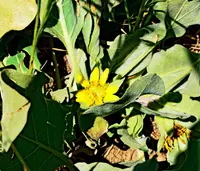
Southern mule-ears (Agnorhiza ovata) is a perennial wildflower in the aster family, native to dry slopes and open woodlands of California and northern Baja California. It forms low clumps of broad, fuzzy, mule-ear-shaped leaves and sends up sturdy stems topped with bright yellow, daisy-like flower heads.

This species is adapted to summer-dry, well-drained sites and often grows in rocky or sandy soils with seasonal moisture. Once established, it tends to be drought tolerant but dislikes heavy, waterlogged ground.

For gardeners who want to care for southern mule-ears, its slow, deep-rooting habit and preference for lean soils make it best suited to naturalistic, low-input plantings rather than intensive, high-water gardens.

Main Plant Requirements

Care Difficulty

Moderate Care

Light Preference

Full Sun

Water Requirements

Low Water

Temperature Preference

Warm Climate

Hardiness Zone

8–10

Soil Texture

Sandy, Loamy, Rocky

Soil pH

Slightly acidic (6.5–7.0), Neutral (7.0)

Soil Drainage

Well-drained

Fertilization

Minimal (feed rarely)

Get Personalized Care Plan

Scan your plant to receive care tips personalized for your specific plant

Available on iOS and Android

How to Care for the southern mule-ears

This sun-loving perennial thrives in bright, open sites that mimic dry foothill habitats.

  • Provide 6–8 hours of direct sun daily; morning and midday sun are ideal, with light afternoon shade in very hot inland areas.
  • Tolerates light or dappled shade for 2–3 hours, but flowering of southern mule-ears decreases and stems stretch if light is much lower.
  • In summer, protect from reflected heat off walls or rock that can scorch leaves, while in winter ensure the site is not shaded by buildings or deciduous trees.

This species is adapted to dry, well-drained conditions and is sensitive to excess moisture around the roots.

  • Water only when the top 3–5 cm of soil are completely dry, using deep, infrequent soakings rather than light surface splashes.
  • During active spring growth, expect to water more often after warm, windy periods; in summer dormancy, reduce or stop watering if leaves die back naturally.
  • Watch for signs: yellowing, soft stems and a sour soil smell indicate overwatering, while limp, crisp leaves and shrinking foliage signal the need for a thorough soak.

This plant is adapted to warm, dry climates with mild winters and can handle a fair range of outdoor temperatures.

  • Optimal growth occurs around 65–80°F (18–27°C), especially in spring when soil is warming but not yet hot.
  • Mature plants tolerate brief drops to about 20°F (-6°C), but repeated hard frosts below this can damage crowns, especially in poorly drained soil.
  • Handles dry heat up to about 95°F (35°C) if soil is not waterlogged; provide light afternoon shade and avoid planting against heat-reflective surfaces in very hot regions.

Humidity is not a major concern for Agnorhiza ovata, which is adapted to dry air.

  • Target 30–50% humidity, similar to typical indoor and outdoor conditions in dry regions.
  • This species tolerates very dry air but may show browned leaf tips if combined with prolonged heat and drought.
  • If leaves curl or scorch in hot, arid weather, increase local humidity slightly by grouping pots or placing a shallow water tray nearby without wetting the crown.

Agnorhiza ovata prefers lean, well-drained, often sandy or rocky soil that mimics its dry hillside habitat.

  • Use a gritty mix such as 50–60% coarse sand or small grit with 40–50% loam and a small amount of compost for nutrients.
  • Ensure very rapid drainage; water should pass through within seconds, leaving no standing moisture around the roots.
  • Aim for slightly acidic to neutral pH, roughly 6.0–7.0, avoiding highly alkaline or saline conditions.
  • Avoid heavy clay, dense peat mixes, or waterlogged sites; improve aeration by adding mineral grit or small gravel rather than large amounts of organic matter.

This species can grow in containers if the pot is prepared to mimic dry, fast-draining ground conditions.

  • Choose a deep, heavy pot to anchor the root system and prevent tipping in windy, exposed positions.
  • Use a container mix with extra mineral grit and multiple drainage holes so water exits quickly after irrigation or rain.
  • Raise the pot slightly on feet or bricks so drainage holes stay clear and the lower root zone does not sit in runoff.

This drought-adapted native wildflower generally needs minimal feeding in garden settings.

  • In lean native-type soils, work in a light layer of compost around the clump in early spring before new growth starts.
  • If growth seems weak, apply a low-strength balanced NPK fertilizer at 1⁄4–1⁄2 label rate once in spring.
  • Avoid repeated feeding through summer; excess nutrients can reduce flowering and stress roots.
  • Do not fertilize during summer dormancy or winter, when southern mule-ears are not actively growing.

Pruning needs for Agnorhiza ovata are light and mainly focused on cleanup.

  • Cut back spent flowering stems in late summer or fall to keep the plant tidy and encourage a compact form next season.
  • Remove dead, damaged, or diseased leaves and stalks at the base using clean, sharp hand pruners.
  • Thin out congested stems lightly to improve air flow around the crown, reducing fungal issues.
  • Avoid hard cutting into the woody crown; this can weaken regrowth and reduce flowering.

This species is usually grown in the ground, so transplanting is more common than repotting.

  • Plan moves for late fall or early spring, when top growth is minimal and soil is workable.
  • Transplant only when clumps are crowded, growth declines, or plants are poorly sited for light or drainage.
  • Dig a wide root ball to keep the deep taproot as intact as possible, reducing transplant shock.
  • Replant at the same depth in well-drained soil, water thoroughly, then keep evenly moist until new growth establishes.

Propagation of Agnorhiza ovata is possible from seed or careful division but requires some patience.

  • Collect ripe seed in late summer, then sow in fall outdoors or provide 2–3 months of cold stratification in the fridge.
  • Use a very well-drained, sandy mix and keep it just slightly moist for germination in cool to mild conditions.
  • For established clumps, divide only in early spring or fall, lifting a generous root mass to avoid damaging the taproot.
  • Replant divisions promptly at original depth and water in well, allowing soil to dry slightly between waterings.

In its typical range this plant is cold hardy and generally needs little special winter care.

  • Tolerates light to moderate frost once established, provided soil drains well and does not stay waterlogged.
  • Apply a thin, loose mulch layer around the root zone in late fall to moderate temperature swings.
  • For container-grown plants in colder areas, move pots to a sheltered, unheated but frost-free spot to protect roots.

Care Tips

Deep taproot space

When planting, use a hole at least 25–30 cm deep and loosen subsoil so the taproot can penetrate easily, which improves drought resilience and long-term vigor.

Rock mulch mimicry

Top-dress around the crown with a thin layer of coarse gravel or small rocks instead of organic mulch to mimic its native rocky habitat and prevent crown rot.

Seed head management

Allow some spent flower heads to dry on the plant for self-seeding, but remove the rest to limit unwanted spread and to reduce habitat for seed-feeding insects that can damage next season’s crop.

Targeted gopher protection

In areas with gophers or similar burrowing rodents, install a wire mesh basket in the planting hole so roots can pass through finer openings while the taproot remains protected from chewing damage.

Summer dormancy handling

If foliage yellows and the plant enters partial summer dormancy, clearly mark the clump with a stake and avoid disturbing the area so you do not accidentally dig or step on the crown when caring for southern mule-ears.

Common Pests and Diseases

Leaf beetles

These insects feed on foliage, creating irregular holes and sometimes skeletonizing the leaves of southern mule-ears. Damage is usually most noticeable on younger, tender growth in open, sunny sites.

Solution

Hand-pick beetles and larvae into soapy water, and remove heavily chewed leaves to reduce feeding sites. Maintain plant vigor with appropriate drought-adapted care and, if needed, use a targeted pyrethrin or spinosad spray applied in the early morning when beneficial insects are less active.

Aphids

These insects cluster on stem tips and flower stalks, sucking sap and causing curling, distortion, and sticky honeydew on Agnorhiza ovata. Ants often visit the plants to feed on honeydew, which can protect aphids from natural predators.

Solution

Rinse colonies off with a firm stream of water and prune heavily infested shoots. Encourage or conserve natural predators such as lady beetles and lacewings, and if populations remain high, use an insecticidal soap or neem oil spray, coating stems and leaf undersides thoroughly.

Powdery mildew

This disease appears as white, powdery patches on upper leaf surfaces, especially where plants receive some shade and reduced airflow. Symptoms include dulled foliage color and, in severe cases, leaf yellowing and premature drop.

Solution

Increase airflow by spacing plants appropriately and removing congested or shaded stems, and avoid overhead watering late in the day. Remove and discard infected leaves, and if conditions stay favorable for mildew, apply a sulfur-based or potassium bicarbonate fungicide labeled for ornamental composites according to directions.

Rust

This disease causes small yellow to orange spots on upper leaf surfaces and powdery rust-colored pustules on the undersides. Symptoms include early leaf drop and a general decline in plant appearance if infection is heavy.

Solution

Promptly remove and dispose of affected leaves to reduce spore spread and avoid overhead irrigation. Improve air circulation around clumps, and in recurrent cases, apply a copper-based or other labeled rust fungicide at the first sign of spotting.

Stem canker

This disease leads to sunken, dark lesions on stems near the base or lower nodes, sometimes causing wilting or dieback above the affected area. Symptoms include discolored tissue under the bark and poor flowering on impacted shoots.

Solution

Cut out and discard affected stems back into healthy tissue, disinfecting pruning tools between cuts with alcohol or a 10% bleach solution. Reduce plant stress by avoiding summer overwatering and heavy nitrogen, and in sites with repeated canker problems, improve drainage and airflow or relocate plants to a better-drained, open position to support long-term Agnorhiza ovata care.

Interesting Facts

California chaparral specialist

This species is native to southern California, where it grows in chaparral and coastal sage scrub on dry, rocky slopes and open woodland clearings, often in thin, nutrient-poor soils.

Basal rosette growth

It forms a low rosette of oval, densely hairy leaves close to the ground, an adaptation that helps reduce water loss and protect tissues from intense sun and drying winds in its arid habitats.

Composite flower structure

The yellow daisy-like heads are actually composite inflorescences made of many small florets, with showy ray florets around the edge and fertile disc florets in the center, typical of the aster family Asteraceae.

Botan icon

Did you know?

This species was long treated under the genus Wyethia but was reassigned to Agnorhiza after molecular and morphological research showed it forms a distinct evolutionary lineage within the North American mule-ears group.

FAQs about southern mule-ears

This is a long-lived perennial that resprouts each year from a woody rootstock. Top growth often dies back after flowering and dry weather, but the underground parts persist and send up new stems in the next growing season.

Grow Healthy Plants with Botan Care

Keep your plants happy and healthy with plant identification, disease detection, and easy care guidance.

Botan plant care app — identify plants on mobile

Explore More Plants