Gravel Collar
Spread a 3–5 cm collar of inert gravel around the crown to keep stems dry at the base, reduce rot risk, and prevent soil splashing onto the foliage in heavy rain.

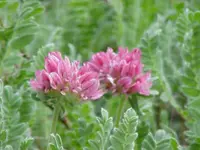
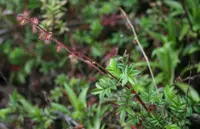
Mountain kidney-vetch, Anthyllis montana, is a compact, low-growing perennial from rocky mountain areas of southern and central Europe. It forms dense, woolly cushions of divided gray-green leaves. In late spring to early summer it carries rounded clusters of pink, lilac, or white pea-like flowers held just above the foliage. The plant is adapted to poor, well-drained, often stony soils and is naturally drought tolerant once established. These traits make it suitable for rock gardens, gravel plantings, and sunny slopes, but it dislikes heavy, wet conditions. Gardeners who learn how to care for Mountain Kidney-vetch usually find it long-lived in the right, open, sunny position.

Care Difficulty
Easy Care

Light Preference
Full Sun

Water Requirements
Low Water

Temperature Preference
Cold Hardy

Hardiness Zone
4–8

Soil Texture
Sandy, Loamy, Rocky

Soil pH
Slightly acidic (6.5–7.0), Slightly alkaline (7.0–7.5)

Soil Drainage
Well-drained

Fertilization
Minimal (feed rarely)
Scan your plant to receive care tips personalized for your specific plant
Available on iOS and Android
This alpine perennial thrives in open, sunny positions with cool roots and strong light exposure.
This species prefers dry to moderately dry conditions and is sensitive to excess moisture around the roots.
This hardy perennial tolerates cold mountain conditions but still benefits from moderate growing-season temperatures.
Humidity is rarely a concern for Anthyllis montana, which is adapted to dry, open habitats.
Anthyllis montana prefers lean, mineral, and fast-draining soil that mimics rocky alpine slopes.
This species can grow in containers if given a low-nutrient, fast-draining, and sun-exposed setup.
This alpine perennial stays compact and flowers well with only light feeding in poor, well-drained soil.
Anthyllis montana benefits from light, well-timed pruning to keep the cushion shape dense and flowering well.
This rock-garden plant is usually grown in the ground, so focus on careful transplanting rather than frequent repotting.
New Anthyllis montana plants are most often raised from seed, with division or cuttings used more selectively.
This species is generally cold hardy, so Anthyllis montana winter care is minimal in most temperate climates.

Plant Health Check
Not sure what's wrong with your plant? Check your plant's health inside the app.
This species is naturally restricted to rocky, calcareous slopes and cliffs in European mountains, where it anchors in shallow crevices and thin, lime-rich soils that many other plants cannot tolerate.
The leaves and flower heads are covered with fine, silky hairs that reduce water loss and help protect the plant from strong mountain sun and drying winds.
Its dense heads of pink to purple pea-flowers are rich in nectar and are an important early to mid-season food source for wild bees in alpine and subalpine habitats.

This plant has been used as a model species in some alpine ecology and adaptation studies because its compact cushion growth form and strict preference for calcareous rock make it useful for understanding how plants persist on exposed mountain ridges under low-nutrient, high-UV, and frost-prone conditions.
This species usually blooms in late spring to early summer, often from May to July, depending on climate. Flowering can last several weeks, especially if old blooms are lightly deadheaded and plants are not stressed by heat or drought.
Keep your plants happy and healthy with plant identification, disease detection, and easy care guidance.