Acaena elongata Care

Acaena elongata

About Acaena elongata

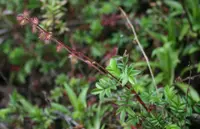
Acaena elongata is a low-growing perennial groundcover known for its fine-textured foliage and creeping habit. It forms dense mats that can soften the edges of paths, rocks, or open soil.

This species is native to cool, often moist regions of South America, where it spreads over open ground and among grasses. Its small leaves and inconspicuous flowers give it a subtle, naturalistic look.

Acaena elongata is generally considered moderately easy to grow if its need for well-drained soil and consistent moisture is met. It prefers cool conditions, light shade to sun, and benefits from some shelter from extreme heat, which influences how to care for Acaena elongata.

Main Plant Requirements

Care Difficulty

Moderate Care

Light Preference

Partial Sun

Water Requirements

Moderate Water

Temperature Preference

Cool Climate

Hardiness Zone

7–9

Soil Texture

Sandy, Loamy, Organic-rich

Soil pH

Acidic (5.5–6.5), Slightly acidic (6.5–7.0)

Soil Drainage

Moist but well-drained

Fertilization

Minimal (feed rarely)

Get Personalized Care Plan

Scan your plant to receive care tips personalized for your specific plant

Available on iOS and Android

How to Care for the Acaena elongata

This low mat-forming perennial prefers bright, cool conditions with some protection from intense midday sun.

  • Provide 4–6 hours of direct morning sun with light or dappled shade from early afternoon, especially in warmer regions.
  • Tolerates partial shade, but very dense shade reduces vigor and foliage color; aim for at least bright, open sky exposure.
  • In hotter summers, increase shade in June–August to prevent leaf scorch, while in cooler climates Acaena elongata can handle near full sun.

This groundcover prefers consistently moist, freely draining soil rather than cycles of drought and saturation.

  • Water when the top 2–3 cm of soil feel dry, allowing moisture to penetrate 10–15 cm deep without leaving the area soggy.
  • In spring and summer, monitor more often during dry, windy, or hot spells; reduce frequency in cool, wet autumn and winter conditions.
  • Watch for wilting, crisp leaf edges, or slow spread as signs of underwatering, and yellowing or mushy stems as signs of overwatering or poor drainage.

This hardy perennial tolerates cool conditions but benefits from moderate temperatures during active growth.

  • Optimal growth occurs around 55–70°F (13–21°C), with strongest spreading and foliage density in mild spring and early summer weather.
  • The plant typically survives down to about 10–15°F (-12 to -9°C) once established, though foliage may burn back after hard frosts and re-sprout from the crown.
  • Heat tolerance is moderate; above 85°F (29°C) combine partial shade and reliable soil moisture to reduce stress and avoid leaf scorch or thinning patches.

This species handles a wide humidity range and rarely needs special humidity management outdoors.

This plant prefers free-draining, moderately fertile ground that does not stay waterlogged.

  • Use a gritty loam or sandy loam with 20–30% coarse sand or fine gravel to keep the root zone aerated.
  • Aim for slightly acidic to neutral pH, around 6.0–7.0, avoiding very alkaline or salty sites.
  • Incorporate well-rotted compost in the top 10–15 cm to improve structure without making the soil heavy or soggy.
  • Avoid compacted clay, spots with standing water, or dense peat mixes that trap moisture around the roots.

This species is suitable for low, shallow containers where its spreading habit can be controlled.

  • Choose a wide, shallow pot at least 25–30 cm across so the mat-forming stems can spread without crowding the crown.
  • Select a heavier material such as ceramic or clay to keep the container stable as the plant spreads over the rim.
  • Fill the pot with a sharply drained mix, such as 60% loam-based compost with 40% grit or coarse sand, so excess water clears quickly from the roots.

This groundcover needs only light feeding under most garden conditions.

  • Use a balanced, slow-release fertilizer (around 10-10-10) or a thin layer of compost in early spring.
  • Apply once per year during active growth; extra feeding is rarely useful in fertile soil.
  • Dilute liquid feeds to 1/2 strength if used on container-grown Acaena elongata.
  • Stop feeding in late summer so new growth hardens before winter.

Light pruning keeps this mat-forming perennial dense and tidy.

  • Best time is early spring, removing winter-damaged or dead foliage with clean hand shears.
  • Trim back crowded or overly long runners to maintain the desired spread and shape.
  • Shear lightly after flowering if seed heads are not desired, which can reduce self-seeding.
  • Disinfect blades before and after use to limit disease spread between plants.

This species is usually grown as groundcover, so transplanting in the garden is more common than container repotting.

  • Transplant in early spring or early fall when temperatures are mild and soil is workable.
  • Move plants when growth becomes sparse in the center or when you need to fill new areas.
  • Lift clumps with a trowel, keeping roots intact and as much soil around them as possible.
  • Replant at the same depth, firm soil gently, and water well to reduce root stress and air pockets.

This plant responds well to simple vegetative propagation methods.

  • Divide established clumps in early spring or early fall, replanting sections promptly.
  • Use rooted runners or pieces of creeping stems, ensuring each segment has healthy roots and foliage.
  • For seed, sow fresh seed on the soil surface in cool conditions, keeping the mix just moist.
  • Provide bright light, consistently moist but not waterlogged soil, and good air flow for new divisions.

This hardy perennial usually needs only minimal winter attention in temperate climates.

  • Tolerates light to moderate frost once established, especially in well-drained soil.
  • Apply a 3–5 cm mulch layer around, not on top of, crowns in colder regions to buffer temperature swings.
  • Container plants benefit from sheltered positions and slightly reduced watering during winter.

Care Tips

Edge containment

Install a shallow root barrier or metal/plastic edging 10–15 cm deep around beds to keep its spreading stolons from invading lawns or neighboring plantings.

Weed suppression prep

Before planting, clear perennial weeds thoroughly and mulch paths or gaps with gravel or coarse bark so the low mat can knit together without competition that is difficult to remove later.

Foot-traffic planning

Position plants where they receive only light, occasional foot traffic and use stepping stones through dense patches to prevent crown damage and bare spots.

Winter drainage check

In cooler, wetter climates, test drainage before winter by soaking the area and ensuring water disperses within a few hours, then top-dress with grit or sharp sand if puddles form around the crowns.

Seedhead management

If the hooked burrs are a nuisance on pets or clothing, shear off flower stems just as the burrs start to color, which also directs more energy into foliage density when growing Acaena elongata.

Common Pests and Diseases

Two-spotted spider mites

This pest feeds on the undersides of fine foliage, causing a dull, stippled appearance and fine webbing over the mat of leaves and stems, especially in hot, dry weather.

Solution

Rinse foliage thoroughly with a strong but controlled stream of water, then increase humidity around the planting and reduce heat stress; if needed, apply insecticidal soap or horticultural oil, making sure to coat the undersides of leaves and repeating every 7–10 days until mites are controlled.

Leaf spot

This disease causes small brown or purplish spots on the small leaflets, which can merge into larger blotches and lead to premature leaf drop in prolonged wet conditions.

Solution

Remove and discard affected foliage, improve air circulation by thinning surrounding plants, avoid overhead watering, and use a copper- or chlorothalonil-based fungicide labeled for ornamental groundcovers if spotting continues to spread in moist weather.

Botrytis blight

This disease develops in dense, poorly ventilated mats, leading to soft, water-soaked patches on leaves and stems that become covered with gray, fuzzy mold.

Solution

Cut out and dispose of all affected tissue, gently lift and thin crowded areas of the mat to improve airflow, reduce frequent shallow watering, and if conditions stay cool and damp apply a labeled fungicide to protect healthy growth.

Aphids

These insects cluster on young shoots and flowering stems, sucking sap and causing distortion, sticky honeydew, and sometimes sooty mold on the low-growing foliage.

Solution

Wash colonies off with a firm stream of water, pinch back heavily infested tips, encourage natural predators such as lady beetles, and if populations remain high treat new growth with insecticidal soap or a light horticultural oil spray, repeating as necessary.

Interesting Facts

South American origin

This species is native to high-elevation regions of the Andes in South America, where it grows in cool, open habitats with strong light and well-drained soils.

Mat-forming habit

Acaena elongata forms low, spreading mats with trailing stems that can root at the nodes, helping it stabilize loose or disturbed ground in its native range.

Burr-like seed heads

It produces small, spiny burrs that attach to animal fur or clothing, an adaptation that allows the seeds to disperse over relatively long distances.

FAQs about Acaena elongata

This species spreads by creeping stems and can gradually form dense mats, but it is usually not aggressively invasive. In small gardens, edge barriers and occasional trimming keep growth within bounds and protect neighboring plants.

Grow Healthy Plants with Botan Care

Keep your plants happy and healthy with plant identification, disease detection, and easy care guidance.

Botan plant care app — identify plants on mobile

Explore More Plants