Begonia taiwaniana Care

Begonia taiwaniana

About Begonia taiwaniana

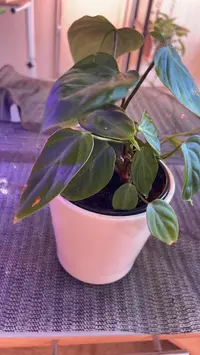
Begonia taiwaniana is a compact, rhizomatous begonia known for its attractive foliage and delicate clusters of small flowers. It typically forms low mounds with asymmetric leaves, often with subtle veining and a softly textured surface.

This species is native to Taiwan, where it grows in shaded, humid forest habitats on moist, well-drained substrates. Its preference for stable moisture, high humidity, and protection from direct sun means it is moderately challenging for beginners, but manageable with attention.

In cultivation, it suits bright, filtered light, evenly moist but airy soil, and good airflow. Anyone learning how to care for Begonia taiwaniana benefits from understanding its woodland origins and sensitivity to drought and harsh light.

Main Plant Requirements

Care Difficulty

Moderate Care

Light Preference

Partial Shade

Water Requirements

Keep Soil Moist

Temperature Preference

Tropical / Frost Sensitive

Hardiness Zone

10–11

Soil Texture

Loamy, Peaty, Organic-rich

Soil pH

Acidic (5.5–6.5)

Soil Drainage

Moist but well-drained

Fertilization

Light (every 4–6 weeks)

Get Personalized Care Plan

Scan your plant to receive care tips personalized for your specific plant

Available on iOS and Android

How to Care for the Begonia taiwaniana

This species prefers bright, gentle light that mimics a forest understory.

  • Provide 3–5 hours of soft morning sun with bright, filtered light for the rest of the day; avoid harsh midday and afternoon sun that can scorch leaves.
  • Grow Begonia taiwaniana in partial shade outdoors, such as on an east-facing side of a building or under open tree canopy with dappled light.
  • In summer, increase shade or move to more filtered light; in winter, allow a bit more direct morning sun to compensate for lower light intensity.

Watering should keep the soil evenly moist but never saturated.

  • Water when the top 2–3 cm of soil feel dry; use your finger to check rather than following a fixed schedule.
  • Choose a loose, well-drained mix so excess water runs through quickly, reducing the risk of root rot and leaf yellowing from overwatering.
  • Reduce watering slightly in cooler months, but do not let the root zone dry out completely; wilting, crisp edges, and very light pots indicate underwatering.

This plant prefers mild, frost-free conditions with stable temperatures.

  • Aim for 60–75°F (16–24°C) for best growth; short periods up to 80°F (27°C) are usually tolerated if humidity and soil moisture are maintained.
  • Protect from cold; growth slows below 55°F (13°C) and tissue damage can occur near 40°F (4°C), especially in wet, windy conditions.
  • Begonia taiwaniana cannot tolerate frost; in regions with freezing winters, grow it in a sheltered spot or move containers to a protected, above-freezing area.

This species prefers moderately humid air and can struggle in very dry homes.

  • Aim for 50–70% humidity to keep foliage turgid and reduce leaf edge browning.
  • Dry air causes crisp leaf margins, curling, and stalled growth, even when watering is correct.
  • Increase humidity with a nearby humidifier, grouped plants, or a wide pebble tray that allows evaporation around Begonia taiwaniana without letting the pot sit in water.

Begonia taiwaniana performs best in a loose, airy, organic-rich mix that never stays waterlogged.

  • Use a peat- or coco-based mix with added perlite and fine bark to create a fibrous, well-aerated structure.
  • Ensure fast drainage so water runs freely through the pot, preventing root rot and sour-smelling, anaerobic soil.
  • Target a slightly acidic pH around 6.0–6.5, which supports nutrient uptake and reduces micronutrient lockout.
  • Avoid heavy garden soil or mixes high in fine clay, which compact easily and suffocate sensitive fibrous roots.

This species is well suited to container growing when moisture and stability are managed carefully.

  • Choose a shallow to medium-depth pot that fits the shallow root system, leaving only 2–3 cm of extra space around the root ball to avoid chronically wet mix.
  • Select a sturdy, heavier container material if the plant becomes top-heavy, so the spreading foliage does not tip the pot.
  • Use a potting setup that allows rapid removal of drained water from saucers or cachepots, preventing the root zone from sitting in residual moisture.

During active growth, Begonia taiwaniana benefits from light, consistent feeding rather than heavy applications.

  • Use a balanced liquid fertilizer (around 10-10-10 or 20-20-20) diluted to 1/4–1/2 strength for container plants.
  • Feed every 3–4 weeks in spring and summer when growth is active, skipping any applications to stressed or recently repotted plants.
  • Reduce or stop feeding in fall and winter when growth slows, especially for plants kept cool or slightly drier.
  • In outdoor beds, incorporate a small amount of compost or a low-dose slow-release fertilizer in spring instead of frequent liquid feeds.

Pruning for this species is light and mainly focused on cleanliness and maintaining a compact form.

  • In late winter or early spring, remove dead, damaged, or diseased stems on Begonia taiwaniana with clean, sharp scissors or snips.
  • Pinch or trim back leggy, overly long shoots to encourage branching and a fuller, more balanced mound of foliage.
  • Cut spent flower stalks near their base to keep plants tidy and divert energy into new growth and future blooms.
  • Disinfect tools with alcohol between plants to reduce the spread of fungal or bacterial problems.

This species prefers stable conditions, so repotting or transplanting should be done only when clear signs indicate the need.

  • Check for roots circling the pot, emerging from drainage holes, or noticeably slowed growth as indicators Begonia taiwaniana needs more space.
  • Plan repotting or transplanting for spring, just before or as new growth starts, to support quick recovery.
  • Aim to move up only 1 pot size every 2–3 years, using a loose, well-drained mix and handling the root ball gently.
  • Water thoroughly after moving, keep in bright but indirect light, and maintain steady moisture to limit transplant shock.

This species is commonly propagated by stem cuttings or division when plants are actively growing.

  • In late spring or early summer, take 5–8 cm non-flowering stem cuttings from healthy Begonia taiwaniana shoots.
  • Remove lower leaves, optionally dip the cut end in rooting hormone, and place in a moist, airy mix under high humidity and bright shade.
  • Keep rooting temperatures around 70–75°F and avoid waterlogging, which can cause rot before roots form.
  • For mature clumps, divide at repotting time, ensuring each division has roots and several shoots, then replant and water gently.

This begonia is not frost tolerant and needs thoughtful winter care in cooler climates.

  • Move container-grown Begonia taiwaniana indoors before temperatures drop below 45°F, providing bright, indirect light and reduced watering.
  • In mild climates, apply a light mulch around the root zone in late fall to buffer temperature swings without burying the crown.
  • Avoid cold, wet soil by ensuring excellent drainage, as saturated conditions in cool weather increase root rot risk.

Care Tips

Shallow, Wide Pots

Use a shallow, wide container rather than a deep one to suit the fibrous, surface-skimming roots and reduce the risk of waterlogged lower soil layers.

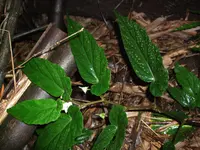
Targeted Leaf Grooming

Regularly remove yellowing or damaged leaves at the base with clean scissors to improve airflow around the crown and lower the chance of fungal spotting in dense foliage.

Moisture Mapping

Check moisture at several points across the pot surface and 2–3 in deep, since this plant often dries unevenly; rotate and reposition the pot if one side consistently stays wetter.

Seasonal Rest Adjustment

In late fall and winter, allow a slightly longer dry interval and avoid repotting, as the plant benefits from a mild rest period that supports stronger regrowth in spring.

Preventive Fungal Hygiene

Keep spent flowers and fallen leaves off the soil surface and water early in the day so foliage dries by evening, an important part of caring for Begonia taiwaniana in humid indoor environments.

Common Pests and Diseases

Powdery mildew

This disease appears as white to gray, powdery patches on leaves and stems, often starting on older foliage in dense or humid conditions. Symptoms include distorted new growth and a dull, faded look to the leaf surface.

Solution

Improve air circulation around the plant, avoid wetting the foliage, and space plants so leaves dry quickly. Remove heavily affected leaves and treat remaining foliage with a sulfur-based fungicide or a potassium bicarbonate product labeled for ornamentals, following label directions carefully.

Botrytis blight

This disease causes tan to brown water-soaked spots on leaves, flowers, and petioles that develop fuzzy gray mold, especially in cool, damp conditions. Symptoms include rapid collapse of flowers and spotting where dead petals rest on leaves.

Solution

Remove and discard all infected leaves, flowers, and plant debris, and avoid overhead watering that keeps foliage wet. Increase airflow, lower humidity if grown indoors, and if needed apply a fungicide labeled for Botrytis on ornamentals after pruning back affected tissue.

Foliar bacterial spot

This disease produces small, water-soaked, translucent spots on leaves that turn dark brown to almost black and may be surrounded by a yellow halo. Symptoms include irregular lesions along veins and in some cases leaf drop on heavily affected plants.

Solution

Isolate affected plants, promptly remove and discard spotted leaves, and avoid splashing water from plant to plant. Water at the base in the morning, keep foliage dry, sterilize tools between cuts, and discard severely affected specimens rather than attempting to salvage them in tight indoor collections.

Mealybugs

These insects form white, cottony clusters in leaf axils, on stems, and sometimes on roots, feeding on plant sap and causing yellowing, stunting, and sticky honeydew. This pest is favored by warm, sheltered indoor spots and can spread between closely grouped begonias.

Solution

Physically remove visible insects with a cotton swab dipped in isopropyl alcohol and rinse the plant gently to wash off remaining pests and honeydew. For persistent infestations, use repeated applications of insecticidal soap or a horticultural oil labeled for houseplants, treating all nearby begonias at the same time as part of broader Begonia taiwaniana care instructions.

Thrips

These insects scrape and suck plant tissues, creating silvery or bronze streaks on leaves and petals, sometimes with small black specks of frass. Symptoms include distorted new growth and flower damage, especially in greenhouse or bright indoor conditions with low airflow.

Solution

Move the plant away from other ornamentals, remove and discard badly damaged leaves or flowers, and rinse foliage thoroughly to dislodge insects. Use blue or yellow sticky traps to monitor adults and apply insecticidal soap or a fine horticultural oil to the undersides of leaves and developing buds, repeating at 5–7 day intervals until new growth appears clean.

Interesting Facts

Endemic mountain species

This species is native to Taiwan and occurs naturally in humid, shaded mountain forests, often along stream banks and on moist, mossy rocks at higher elevations.

Distinctive leaf patterning

It is known for its asymmetric leaves with often reddish undersides and subtle mottling on the upper surface, which helps distinguish it from many similar Asian rhizomatous begonias.

Cool-growing rhizomatous habit

The plant grows from creeping rhizomes that store water and nutrients and is adapted to cooler, constantly moist conditions compared with many tropical Begonia relatives.

FAQs about Begonia taiwaniana

Lack of blooms usually comes from insufficient maturity, low light, or nutrient imbalance. Ensure strong but indirect light, avoid high-nitrogen fertilizer, keep temperatures mild, and provide a short rest period in cooler months to encourage flower formation.

Grow Healthy Plants with Botan Care

Keep your plants happy and healthy with plant identification, disease detection, and easy care guidance.

Botan plant care app — identify plants on mobile

Explore More Plants