Moisture mapping
In late spring, mark and lightly flag the dampest, low-lying spots in your garden after heavy rain, then use these mapped areas as preferred planting zones to keep roots consistently moist during the flowering season.

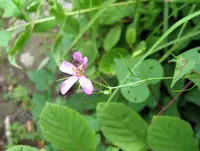
Slender rose gentian (Sabatia campanulata) is a short-lived perennial wildflower known for its star-shaped, pink flowers with yellow centers. It typically forms upright clumps with slender stems and narrow leaves, giving a delicate, airy look.
This species is native to eastern North America, where it grows in moist meadows, wet prairies, and open, sunny lowlands. It can be somewhat finicky to establish, as it prefers consistently moist, acidic, sandy or peaty soils and open light.
Once its needs are met, it offers a reliable summer floral display and supports pollinators such as bees and butterflies. Understanding how to care for slender rose gentian mainly involves matching its natural wetland-like conditions.

Care Difficulty
Moderate Care

Light Preference
Full Sun

Water Requirements
Keep Soil Moist

Temperature Preference
Cool Climate

Hardiness Zone
5–8

Soil Texture
Sandy, Loamy, Silty

Soil pH
Acidic (5.5–6.5)

Soil Drainage
Moist but well-drained

Fertilization
Minimal (feed rarely)
Scan your plant to receive care tips personalized for your specific plant
Available on iOS and Android
This sun-loving wildflower thrives in open, bright sites with consistent exposure.
This species prefers constantly moist but not stagnant soil, similar to damp meadows or wet ditches.
This temperate-zone wildflower handles a wide range of outdoor temperatures when established.
Sabatia campanulata prefers moderately moist air but usually adapts to typical indoor humidity if soil moisture is stable.
Sabatia campanulata grows best in moist, well-aerated soil that mimics light, humus-rich meadow or wetland edges.
This species can be grown in containers if the pot supports consistent moisture without waterlogging.
This species is adapted to low-nutrient, often wet soils, so use light feeding when growing slender rose gentian in gardens or containers.
Pruning needs for Sabatia campanulata are minimal and focus mainly on tidiness and plant health.
This wildflower is most often grown in garden beds or restoration sites, where careful transplanting matters more than container repotting.
New plants are usually raised from seed rather than vegetative methods for this short-lived species.
This species is generally cold hardy in much of its native range and needs little winter intervention in the ground.

Plant Health Check
Not sure what's wrong with your plant? Check your plant's health inside the app.
The pale pink, star-shaped flowers have a contrasting yellow and green eye that acts as a nectar guide, helping native bees and butterflies quickly locate the nectar. This visual pattern increases pollination efficiency in open wetland habitats where many species flower at the same time.
This species typically grows in seasonally wet, sandy or peaty soils such as wet pinelands, pond margins, and wet savannas in the eastern United States. It often occupies open, sunny gaps where periodic flooding and fire limit competition from taller vegetation.
The plant is often short-lived or biennial but produces many small seeds in each capsule, which allows rapid colonization of disturbed wet ground. Seeds usually establish best on bare or lightly vegetated, moist substrates exposed to full sun.

Despite its delicate appearance, this species frequently occurs in habitats maintained by natural or prescribed fire, benefiting from the open, sunny, low-competition conditions created after burns rather than being directly damaged by the fire regime.
This species is a short-lived perennial or biennial wildflower. Individual plants often behave like biennials, forming a basal rosette first, then flowering in the second year, with self-sown seedlings maintaining a patch over time.
Keep your plants happy and healthy with plant identification, disease detection, and easy care guidance.