Wind exposure management
Grow plants in a mildly exposed spot or use low windbreaks so stems are strengthened by airflow but not battered by strong, drying winds that can snap brittle flowering shoots.

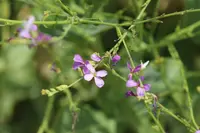
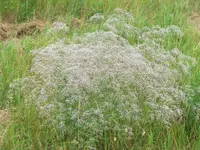
Physorhynchus chamaerapistrum is a small annual herb from arid and semi-arid regions of the Middle East, often found in open, rocky or sandy habitats. It belongs to the Brassicaceae family, the same family as many mustards and cabbages, and typically forms low, branching clumps with small leaves and delicate, pale flowers.
This species is adapted to dry conditions and poor, well-drained soils, which makes it relatively undemanding if similar conditions are provided. Light, free-draining substrates and good airflow help care for Physorhynchus chamaerapistrum, while excess moisture or heavy soils tend to cause problems.

Care Difficulty
Moderate Care

Light Preference
Full Sun

Water Requirements
Moderate Water

Temperature Preference
Warm Climate

Hardiness Zone
8–11

Soil Texture
Sandy, Loamy, Rocky

Soil pH
Slightly alkaline (7.0–7.5)

Soil Drainage
Well-drained

Fertilization
Minimal (feed rarely)
Scan your plant to receive care tips personalized for your specific plant
Available on iOS and Android
This species from open, dry habitats benefits from strong light and clear daily sun exposure.
This plant is adapted to dry conditions and prefers infrequent, thorough watering once established.
This species prefers warm, dry conditions and does best in climates with mild winters and hot summers.
This species generally tolerates typical indoor humidity, so moisture at the roots is more critical than air humidity.
This plant prefers mineral, sharply drained soil that prevents prolonged root wetness.
This species can be grown in containers if the potting setup prioritizes rapid drainage and root aeration.
This species is adapted to lean, rocky soils and usually needs little to no fertilization in garden settings.
Physorhynchus chamaerapistrum needs only minimal pruning to stay healthy and tidy.
In cultivation this plant is usually grown in the ground, so focus on careful transplanting rather than frequent repotting.
Propagation of this species is typically done from seed and is moderate in difficulty for home growers.
This is a cold-hardy species in most temperate climates and generally needs little special winter care outdoors.

Plant Health Check
Not sure what's wrong with your plant? Check your plant's health inside the app.
This species is a small, short-lived annual of arid and semi-arid regions in the Middle East, germinating and completing its life cycle quickly during brief periods of favorable moisture.
It produces characteristic small, somewhat inflated seed pods typical of the Brassicaceae family, which help botanists distinguish it from similar desert annuals in its habitat.
The plant belongs to the mustard family Brassicaceae and shares the family’s four-petaled cross-shaped flowers, although in this species the flowers are small and not showy.
This species behaves as an annual in most garden and wild settings, completing its life cycle in 1 season. Plants typically germinate, flower, set seed, then die back, relying on a new generation from seed each year.
Keep your plants happy and healthy with plant identification, disease detection, and easy care guidance.