Threadleaf Coreopsis Care (Coreopsis verticillata 'Moonbeam')

Also known as: Tickseed
Threadleaf Coreopsis

About Threadleaf Coreopsis

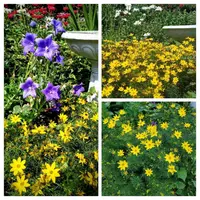
Threadleaf coreopsis (Coreopsis verticillata 'Moonbeam') is a compact, clump-forming perennial grown mainly for its soft, pale yellow daisy-like flowers. It has very fine, thread-like foliage that gives the plant a light, airy texture in garden beds and borders.

This species is native to North America, where it grows in open, sunny sites with well-drained soil. It is valued for long blooming, good drought tolerance once established, and generally low maintenance needs, which makes it straightforward to care for Threadleaf Coreopsis.

It usually performs best in full sun with moderately moist, well-drained soil, and it suits mixed borders, cottage gardens, and pollinator-friendly plantings.

Main Plant Requirements

Care Difficulty

Easy Care

Light Preference

Full Sun

Water Requirements

Low Water

Temperature Preference

Cold Hardy

Hardiness Zone

3–9

Soil Texture

Sandy, Loamy, Rocky

Soil pH

Acidic (5.5–6.5), Slightly acidic (6.5–7.0)

Soil Drainage

Well-drained

Fertilization

Minimal (feed rarely)

Get Personalized Care Plan

Scan your plant to receive care tips personalized for your specific plant

Available on iOS and Android

How to Care for the Threadleaf Coreopsis

Coreopsis verticillata 'Moonbeam' performs best in bright, direct sun for strong flowering and compact growth.

  • Provide 6–8 hours of direct sun daily; in hot summer areas, morning sun with light afternoon shade helps prevent leaf scorch.
  • The plant tolerates light partial shade (around 4–5 hours of sun), but Threadleaf Coreopsis may bloom less and become more open or floppy.
  • Avoid deep shade, which leads to weak stems and sparse flowers; in winter, no special light protection is needed once plants are dormant.

Coreopsis verticillata 'Moonbeam' prefers evenly draining soil and moderate moisture, with short dry periods between waterings.

  • Allow the top 3–5 cm of soil to dry before watering again; in typical garden beds this often means waiting until foliage just begins to lose some perkiness.
  • Use well-drained soil or raised beds to prevent standing water, root rot, and yellowing lower leaves that signal overwatering problems.
  • During hot summer spells, check soil more often, but in cooler spring and fall conditions reduce watering as growth slows and rainfall increases.

This hardy perennial tolerates a broad temperature range but flowers best in moderate warmth.

  • Active growth and flowering are strongest around 65–80°F (18–27°C), with good performance through most typical US summer conditions.
  • Plants are cold-hardy in the ground to about -20°F (-29°C); foliage dies back with frost but crowns usually survive winter in suitable zones.
  • In extreme heat above 90°F (32°C), flowering may pause; consistent soil moisture and light afternoon shade help limit stress and leaf scorch.

This plant handles a wide humidity range and rarely needs special humidity care.

Coreopsis verticillata 'Moonbeam' prefers lean, well-drained soil that does not stay wet after rain or watering.

  • Use sandy or sandy-loam soil with low to moderate organic matter to mimic its naturally dry, open habitats.
  • Ensure very sharp drainage; mix mineral sand or fine grit into heavier garden soil to reduce water retention.
  • Aim for slightly acidic to neutral pH (6.0–7.0), avoiding strongly acidic or alkaline conditions that limit nutrient uptake.
  • Avoid heavy clay or compacted substrates; if soil feels dense, incorporate coarse sand or fine gravel to improve aeration and root health.

This species is well suited to container growing outdoors in sunny spots.

  • Choose a wide, relatively shallow pot to accommodate its fibrous, spreading root system and maintain stability for its airy top growth.
  • Use a gritty mix, such as 60–70% potting mix with 30–40% coarse sand or grit, to keep water moving through quickly.
  • Select a heavier container material, like clay or ceramic, to prevent wind from tipping over the plant’s billowy foliage.

Coreopsis verticillata 'Moonbeam' needs only light feeding to support steady flowering in average garden soils.

  • Use a balanced, slow-release granular fertilizer (around 10-10-10) or a thin layer of compost in early spring.
  • Apply once at the start of the growing season; a second light feeding in midsummer is enough for Threadleaf Coreopsis.
  • Avoid rich soils and high-nitrogen products, which cause floppy growth and fewer flowers.
  • Do not feed in late fall or winter to prevent soft, frost-sensitive growth.

Thoughtful pruning keeps Coreopsis verticillata 'Moonbeam' compact, tidy, and flowering well.

  • Deadhead spent blooms through summer using clean hand pruners to encourage continued flowering.
  • Shear back the whole clump by about one-third after the main flush to promote fresh foliage and new buds.
  • Remove dead, damaged, or weak stems at the base in late fall or very early spring.
  • Disinfect tools between plants to reduce the spread of fungal and bacterial problems.

This perennial is most often grown in the ground, where it rarely needs moving once established.

  • Transplant in early spring or early fall, when temperatures are mild and soil is moist but not waterlogged.
  • Divide and replant clumps every 3–4 years if flowering declines, the center dies out, or growth becomes crowded.
  • Lift the root mass carefully, keeping as many fibrous roots intact as possible to limit transplant shock.
  • Water thoroughly after replanting, then keep soil evenly moist for 1–2 weeks until new growth resumes.

Coreopsis verticillata 'Moonbeam' is commonly propagated by division and, less reliably, by seed.

  • Divide mature clumps in early spring or early fall, replanting vigorous outer sections at the same depth.
  • For cuttings, take 7–10 cm softwood shoots in late spring, remove lower leaves, and insert into a free-draining mix.
  • Maintain bright, indirect light and evenly moist, not soggy, substrate to encourage rapid rooting.

This perennial is cold hardy in much of the US and usually needs only minimal winter attention.

  • After hard frost, cut back dead stems to a few cm above soil level to tidy the plant.
  • Apply a 5–7 cm mulch layer around, not on top of, the crown in colder regions to moderate soil temperature.
  • In containers, move pots to a sheltered, unheated area and prevent the root ball from drying out completely.

Care Tips

Shear After Flush

Shear the plant back by about one-third with clean shears immediately after the first heavy flush of blooms to promote dense regrowth and an extended second flowering period.

Staggered Division

Divide only one-third to one-half of a mature clump every 3–4 years rather than lifting the whole plant at once, which maintains the established display while still rejuvenating crowded centers.

Light Mulch Management

Apply a thin, 2–3 cm layer of coarse, weed-free mulch around but not touching the crown to reduce weed pressure and soil splash, then pull mulch back slightly in very wet periods to keep the crown from staying saturated.

Targeted Deadheading Bands

Instead of removing individual spent flowers, clip entire bands of finished stems just above a lower set of healthy leaves to save time and encourage a neater, more uniform flush of new buds.

Spring Pest Sweep

In early spring, inspect stems and crown for aphids or leafhoppers and use a strong water spray or a labeled insecticidal soap at first detection, since early intervention is usually sufficient when caring for Threadleaf Coreopsis in most garden settings.

Common Pests and Diseases

Aphids

These insects cluster on tender stems and flower buds, sucking sap and causing distortion, sticky honeydew, and reduced flowering. This pest is most common on lush, fast-growing shoots, especially early in the season.

Solution

Spray infested stems and buds with a strong stream of water to dislodge aphids, then spot-treat remaining colonies with insecticidal soap or a neem oil spray according to label directions. Encourage natural predators such as lady beetles by avoiding broad-spectrum insecticides and reducing excess nitrogen fertilization when growing Threadleaf Coreopsis.

Leaf spot

This disease causes small, dark or tan spots on foliage that may merge and lead to premature yellowing and thinning of the plant. Symptoms include heavier damage in humid, crowded plantings or during extended wet weather.

Solution

Remove and discard heavily spotted leaves and any fallen plant debris to reduce fungal spores. Improve air circulation by thinning or dividing crowded clumps, water at soil level in the morning, and if needed apply a labeled ornamental fungicide when new spots first appear during wet periods.

Powdery mildew

This disease produces white, powdery patches on leaves and stems, leading to dull foliage and reduced vigor later in the season. Symptoms include a dusty coating that may start on lower leaves and spread upward, especially in warm, dry air with poor airflow.

Solution

Increase spacing and airflow around plants, avoid overhead watering in the evening, and remove the most affected stems to slow spread. If necessary, apply a sulfur or potassium bicarbonate-based fungicide labeled for ornamentals at the first sign of mildew and repeat as directed until conditions improve.

Spider mites

These pests are tiny sap-feeding arachnids that cause fine stippling, bronzing, and a dry, speckled look on foliage, sometimes with faint webbing. This pest tends to flare in hot, dry weather, especially where plants are stressed or crowded.

Solution

Rinse foliage thoroughly with water, focusing on leaf undersides, and repeat several times per week to knock back populations. In persistent cases, use insecticidal soap or a horticultural oil labeled for mites, and keep plants evenly watered to reduce stress that favors mite buildup.

Crown and stem canker

This disease causes sunken, dark lesions at the crown or along stems, leading to wilting, dieback, and gradual decline of sections of the clump. Symptoms include brittle, discolored stems that break easily near the soil line, often following mechanical damage or waterlogged conditions.

Solution

Cut out and discard affected stems down to healthy tissue, disinfecting pruners between cuts, and remove dense thatch around the crown to improve airflow. Avoid overwatering and poorly drained sites, divide and replant only healthy portions of the clump, and rotate planting areas if severe infections recur in the same bed.

Interesting Facts

Naturally airy foliage

This cultivar has exceptionally fine, threadlike leaves compared with many other coreopsis types, creating a soft, cloud-like texture that keeps its clumps visually light even when densely planted.

Long, repeat flowering

It is noted for producing pale lemon-yellow flowers over a very long season, often from early summer into early fall in trials, which led to its frequent use in public landscapes and perennial borders.

Award-winning garden merit

It received the Royal Horticultural Society Award of Garden Merit, which indicates consistent performance, ornamental value, and general reliability under a range of garden conditions.

FAQs about Threadleaf Coreopsis

Poor flowering often comes from too little sun, overly rich or high-nitrogen fertilizer, or plants needing deadheading and division. Trim spent blooms, avoid heavy feeding, divide crowded clumps every few years to restore vigor.

Grow Healthy Plants with Botan Care

Keep your plants happy and healthy with plant identification, disease detection, and easy care guidance.

Botan plant care app — identify plants on mobile

Explore More Plants