Encourage sturdy roots
Lightly rake or scratch the soil surface around young plants once or twice in early spring to reduce crusting and encourage deeper root growth without disturbing the taproot.

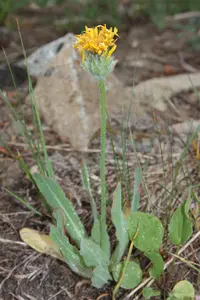
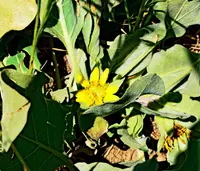
Pale agoseris (Agoseris glauca) is a small perennial wildflower in the daisy family, often called false dandelion. It forms low rosettes of narrow leaves with one or a few upright flower stalks.
Its flower heads are usually pale yellow to creamy white, with a simple, clean look that blends well into naturalistic plantings. The plant occurs across much of western and central North America, in grasslands, open woods, and dry, rocky slopes.
Agoseris glauca is adapted to lean, well-drained soils and open, sunny conditions, which makes it relatively low-maintenance when its basic site needs are met. Gardeners who care for pale agoseris benefit from its drought tolerance and modest growth habit.

Care Difficulty
Easy Care

Light Preference
Full Sun

Water Requirements
Low Water

Temperature Preference
Cold Hardy

Hardiness Zone
3–9

Soil Texture
Sandy, Loamy, Rocky

Soil pH
Slightly acidic (6.5–7.0), Neutral (7.0)

Soil Drainage
Well-drained

Fertilization
Minimal (feed rarely)
Scan your plant to receive care tips personalized for your specific plant
Available on iOS and Android
This western North American wildflower prefers bright, open conditions that mimic its native grasslands.
This species is adapted to dry, well-drained habitats and is sensitive to prolonged soil moisture.
This hardy perennial tolerates a wide temperature range typical of temperate and montane climates.
This species is adapted to dry, open habitats and does not require elevated humidity.
This plant prefers lean, mineral soils that drain quickly and do not stay wet.
This species can be grown in containers if the pot is set up to mimic dry, fast-draining ground.
This tough native wildflower, commonly called pale agoseris, usually needs little or no fertilizer in average garden soil.
Pruning needs for Agoseris glauca are minimal and mostly focused on cleanup rather than shaping.
This species is better suited to in-ground planting than long-term containers, so focus on careful transplanting rather than frequent repotting.
Propagation of Agoseris glauca is usually done from seed rather than division or cuttings due to its taprooted habit.
This cold-hardy perennial generally needs little special winter care in most temperate climates.

Plant Health Check
Not sure what's wrong with your plant? Check your plant's health inside the app.
This species closely resembles a dandelion but belongs to a different genus and typically has a single flower head per stem, an adaptation thought to suit open, windswept grasslands in western North America.
Its leaves often show distinctive, irregular notches and variable shapes even within a single population, which botanists use as a field clue to separate it from true dandelions and other similar composites.
The plant produces a white, latex-like sap in its stems and leaves that deters many herbivores and helps seal wounds, a common trait in the sunflower family but particularly noticeable in this species.

Pale agoseris shows strong ecological flexibility, occurring from low valley grasslands up into subalpine meadows and open forest clearings, making it one of the more altitude-tolerant small rosette herbs in western North America.
Growth is moderate rather than fast. Seedlings usually form a small rosette in the first season, then increase foliage and flowering in following years. Growth rate improves with full sun, sharp drainage, and low to moderate fertility.
Keep your plants happy and healthy with plant identification, disease detection, and easy care guidance.