Controlled spread management
Use shallow edging or small barrier strips around pots or beds to confine runners so the plant forms a defined mat instead of invading nearby plantings.

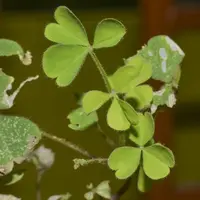
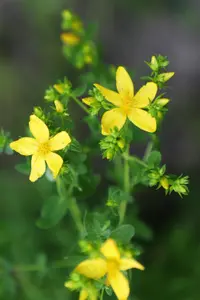
Creeping woodsorrel (Oxalis corniculata) is a low, spreading perennial often seen in lawns, pots, and garden beds. It forms mats of small clover-like leaves and delicate yellow flowers.
This species occurs widely across temperate and subtropical regions, thriving in disturbed soil, pavement cracks, and container surfaces. It spreads by seed and creeping stems, so it can quickly colonize open spaces.
Its fast growth and tolerance of varied conditions make it resilient but sometimes weedy. Light, moist but not waterlogged soil, and moderate sun exposure generally support healthy growth.
Gardeners who want to care for creeping woodsorrel usually focus on controlled growth, as it establishes easily even with minimal attention.

Care Difficulty
Easy Care

Light Preference
Partial Sun

Water Requirements
Moderate Water

Temperature Preference
Warm Climate

Hardiness Zone
5–11

Soil Texture
Sandy, Loamy, Clay

Soil pH
Acidic (5.5–6.5), Slightly acidic (6.5–7.0)

Soil Drainage
Well-drained

Fertilization
Minimal (feed rarely)
Scan your plant to receive care tips personalized for your specific plant
Available on iOS and Android
This low-growing species prefers bright conditions but tolerates a range of outdoor light exposures.
This species prefers consistently lightly moist soil but tolerates short dry spells once established.
This species is fairly tolerant but grows best in mild conditions without temperature extremes.
Oxalis corniculata tolerates a wide humidity range but grows best in moderate, stable conditions.
Oxalis corniculata prefers loose, well-structured soil that drains freely but does not dry out instantly.
This species suits container growing and can be easily managed in pots or shallow trays.
This adaptable species needs only light feeding, especially when grown as creeping woodsorrel in nutrient-poor soils.
Pruning Oxalis corniculata is mainly a matter of light grooming and spread control.
Transplanting this low-growing species focuses on managing spread rather than frequent pot changes.
Propagation of Oxalis corniculata is straightforward and often occurs naturally in the garden.
Oxalis corniculata is generally cold hardy and needs little winter care in most temperate climates.

Plant Health Check
Not sure what's wrong with your plant? Check your plant's health inside the app.
This species is native to parts of Eurasia but now grows on every continent except Antarctica, and is listed as a common lawn and garden weed in many temperate and subtropical regions due to its prolific seeding and creeping habit.
Its stems root at the nodes as they creep along the soil surface, allowing a single plant to form dense mats that outcompete low-growing species and quickly recolonize disturbed ground.
The seed capsules are touch-sensitive and dehisce explosively when ripe, flinging the seeds several decimeters away and helping the plant spread through pots, lawns, and greenhouse benches.

Creeping woodsorrel leaves and stems contain oxalic acid, which gives them a distinctly sour taste and helps deter many herbivores, but in high amounts can bind calcium and interfere with nutrient absorption in animals that consume large quantities.
This species spreads quickly through creeping stems, roots from nodes, and seed pods that eject seeds several feet. In lawns and beds it often behaves as a weed, so prompt hand-pulling or barrier edging is important for control.
Keep your plants happy and healthy with plant identification, disease detection, and easy care guidance.