Staggered Succession Sowing
Sow small batches every 10–14 days over a 4–6 week window to extend the flowering season and reduce the risk of losing all plants to a single late frost or weather event.

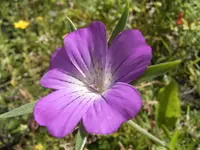
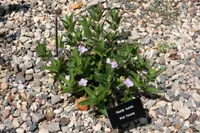
Corncockle, Agrostemma githago, is an annual flowering plant once common in cereal fields, especially in Europe, where it grew as a cornfield weed. It forms upright, slender stems with narrow gray-green leaves and showy, five-petaled pink to magenta flowers.
The plant has a graceful, airy habit and suits naturalistic or cottage-style plantings. It prefers full sun, relatively dry, well-drained soil, and does not like heavy, waterlogged ground.
Seeds germinate easily, so it is generally simple to establish from direct sowing, though it dislikes root disturbance when transplanted. Gardeners who want to care for Corncockle should note that it tends to self-seed and may appear in new spots each year.

Care Difficulty
Easy Care

Light Preference
Full Sun

Water Requirements
Moderate Water

Temperature Preference
Cool Climate

Hardiness Zone
3–9

Soil Texture
Sandy, Loamy

Soil pH
Slightly acidic (6.5–7.0), Neutral (7.0)

Soil Drainage
Well-drained

Fertilization
Minimal (feed rarely)
Scan your plant to receive care tips personalized for your specific plant
Available on iOS and Android
This annual wildflower needs bright, open conditions to form strong, floriferous stems.
This plant prefers moderately dry conditions and is prone to rot in constantly wet soil.
This hardy annual tolerates cool conditions but is vulnerable to hard frost and extreme heat.
Humidity is rarely a limiting factor for Agrostemma githago, which thrives in relatively dry air.
Agrostemma githago prefers light, free-draining mineral soils that never stay waterlogged.
This species can be grown in containers if the pot is prepared for its tall, somewhat floppy habit.
This annual wildflower grows best in low-nutrient soil, so fertilizing Corncockle is usually unnecessary.
Light pruning helps maintain flowering performance and tidiness in Agrostemma githago.
This species is almost always grown as a direct-sown annual, so focus on careful transplanting rather than frequent repotting.
This annual is almost always raised from seed, which makes Agrostemma githago plant care straightforward for propagation.
As a cool-season annual, this plant usually dies after flowering, so winter care focuses on seed and soil rather than the existing plants.

Plant Health Check
Not sure what's wrong with your plant? Check your plant's health inside the app.
Corncockle was once widespread in European cereal fields and often harvested together with wheat, but intensive seed cleaning and modern agriculture have made it rare or absent in many of its former habitats.
All parts of this species are poisonous, especially the dark, granular seeds that contain toxic saponins, yet their rough surface once helped them cling to cereal grain and spread unintentionally.
This plant is adapted to disturbed, open soils in crop fields, germinating and flowering in sync with cereal crops and completing its life cycle before harvest.

In several European countries, corncockle is now valued as a symbol of traditional farmland biodiversity and is included in wildflower and conservation seed mixes, even though it is technically a poisonous arable weed.
Lack of flowering often comes from too much shade, overly rich nitrogen fertilizer, or planting too late in spring. Ensure full sun, lean well-drained soil, and avoid high-nitrogen feeds so energy shifts from foliage to buds.
Keep your plants happy and healthy with plant identification, disease detection, and easy care guidance.