Barnardia numidica Care

Barnardia numidica

About Barnardia numidica

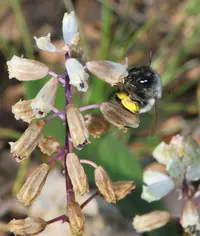
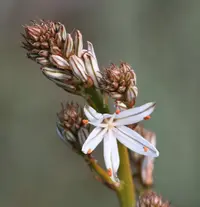
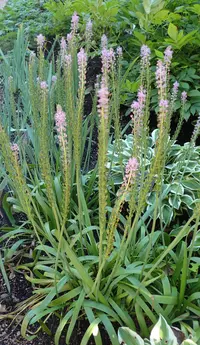
Barnardia numidica is a small bulb-forming perennial often grown for its compact rosettes of narrow leaves and delicate flower spikes. It typically produces upright stems topped with many small, star-like blooms.

This species occurs in parts of North Africa and nearby Mediterranean regions, where it experiences dry summers and cooler, wetter seasons. Its natural adaptation to seasonal drought and bulb dormancy makes it relatively forgiving if watering is not perfect.

It prefers bright light, well-drained, gritty soil, and careful watering that keeps the bulb from staying wet for long periods. Understanding these basic needs provides a good starting point on how to care for Barnardia numidica.

Main Plant Requirements

Care Difficulty

Moderate Care

Light Preference

Partial Sun

Water Requirements

Moderate Water

Temperature Preference

Warm Climate

Hardiness Zone

Unknown

Soil Texture

Sandy, Loamy

Soil pH

Slightly acidic (6.5–7.0)

Soil Drainage

Well-drained

Fertilization

Minimal (feed rarely)

Get Personalized Care Plan

Scan your plant to receive care tips personalized for your specific plant

Available on iOS and Android

How to Care for the Barnardia numidica

This bulb prefers bright, open conditions with some protection from intense afternoon sun.

  • Provide 4–6 hours of direct morning sun, then light shade or filtered sun in the afternoon, especially in hotter regions.
  • Tolerates light partial shade, but flowering of Barnardia numidica is fuller in sites with at least half a day of direct sun.
  • In summer, strong midday sun on dry soil can scorch foliage; in low light the plant elongates and produces fewer, weaker flower spikes.

This bulb needs a clear wet–dry rhythm to stay healthy and avoid rot.

  • During active growth, water when the top 3–5 cm of soil are dry, aiming for evenly moist but never waterlogged conditions.
  • Use sharply drained, sandy or gritty soil so water runs through quickly; standing water around the bulbs greatly increases rot risk for Barnardia numidica.
  • Reduce watering sharply after foliage yellows; in dormancy, keep the soil almost dry, giving only light sips if bulbs start to shrivel.

This species prefers warm, dry summers and mild, frost-free or lightly frosty winters.

  • Optimal growth occurs around 65–80°F (18–27°C) during the growing season, with plenty of light and good air flow.
  • Mature bulbs usually tolerate brief drops to about 25°F (−4°C) if soil is well drained, but repeated hard freezes can damage buds and roots.
  • Handles dry heat up to 90–95°F (32–35°C) if soil is not wet and the site has some afternoon shade; avoid locations with severe winter freeze–thaw cycles.

This bulbous species tolerates a fairly wide humidity range and usually does not need special humidity control indoors.

  • Aim for 30–50% humidity, similar to most heated or air-conditioned homes.
  • It copes with slightly drier air, but very hot, dry drafts can speed leaf tip browning and flower fade.
  • Increase local humidity only if air is extremely dry by grouping plants or placing a water tray nearby, without standing the pot in water.

This geophytic bulb prefers airy, free-draining soil that never stays waterlogged around the bulb.

  • Use a sandy or gritty loam, such as 50–60% standard potting mix blended with coarse sand or fine gravel for sharp drainage.
  • Keep pH slightly acidic to neutral, around 6.0–7.0, which supports nutrient uptake without stressing the roots.
  • Add small amounts of compost for organic matter but avoid heavy, peat-dense mixes that compact and hold excessive moisture.
  • Always prevent soggy conditions; improve aeration with perlite or pumice and avoid planting the bulb in dense clay without added grit.

This small bulb is well suited to container culture for easier control of drainage and winter protection.

  • Select a pot that is wider than deep so bulbs can spread slightly while the lower mix still drains rapidly.
  • Use a heavier terracotta or ceramic container outdoors to reduce tipping if flower spikes become top-heavy in wind.
  • Raise the container on pot feet or blocks so drainage holes stay clear and excess water escapes quickly after rain or watering.

Feeding needs are modest, as this bulb stores its own reserves but benefits from light support in active growth.

  • Apply a balanced liquid fertilizer at 1/2 strength every 4–6 weeks during spring and early summer while Barnardia numidica is in leaf.
  • Use a low-salt, balanced NPK or well-diluted organic feed to avoid root and bulb burn.
  • Stop feeding once foliage begins to yellow and the plant enters dormancy.
  • Avoid heavy compost or rich slow-release pellets directly on the bulb to limit rot risk.

Pruning demands are low and mainly focus on tidiness and disease prevention rather than shaping Barnardia numidica.

  • In late summer or autumn, remove only fully yellowed or dry foliage at the base to avoid stressing the bulb.
  • Trim off spent flower spikes with clean, sharp scissors or hand pruners after seeds mature, if seed is not desired.
  • Cut away any damaged, pest-infested, or diseased leaves promptly to reduce spread.
  • Avoid heavy cutting of green leaves, as they are needed for energy storage and future flowering.

This bulb prefers minimal disturbance, so repotting or transplanting should be infrequent and carefully timed.

  • Check containers every 3–4 years; tight clumps, reduced flowering, or bulbs pressing against the pot indicate a need to move Barnardia numidica.
  • Schedule transplanting or repotting in late summer to early autumn, after foliage has fully died back.
  • Use a shallow, well-drained container or bed with gritty, low-organic soil to limit rot and support bulb health.
  • Handle bulbs gently, keep roots slightly moist, and replant at the same depth, watering lightly afterward to reduce transplant shock.

This species is usually propagated by seed or by separating offsets formed around mature bulbs.

  • Collect seed from dry flower spikes and sow in autumn in a free-draining, sandy mix kept lightly moist and cool.
  • Place seed trays in bright, indirect light at 55–65°F to support gradual germination and early growth.
  • Lift dormant clumps in late summer, gently separate small offset bulbs, and replant them at similar depth and spacing.
  • Label seed and offset plantings clearly, as young plants can take several seasons to reach flowering size.

This bulb is fairly cold tolerant in many temperate climates and usually needs only basic winter attention.

  • In regions with frost, apply a 3–5 cm layer of dry mulch over the planting area once the soil cools.
  • Ensure soil drains well through winter, since persistent wet and cold increases bulb rot risk.
  • For containers in colder zones, move pots to a sheltered, frost-free but cool spot with minimal watering.

Care Tips

Dry rest enforcement

After foliage yellows in late spring, lift pots or trays under cover and keep bulbs completely dry for 8–10 weeks to prevent rot and mimic the hot dry summer dormancy this species needs for long-term vigor.

Bulb spacing strategy

Plant bulbs shallowly but with at least 4–5 cm between each one so air can move between them, reducing fungal issues and making it easier to divide and replant individual bulbs every 3–4 years.

Labeling dormancy spots

Mark pot rims or bed areas with durable labels before the leaves die back so bulbs are not disturbed or accidentally overplanted while dormant and invisible.

Grit top-dressing

Apply a 0.5–1 cm layer of horticultural grit or coarse sand on the soil surface around bulbs to keep the necks dry, discourage moss and fungus growth, and improve drainage directly at the bulb crown.

Staggered pot culture

Keep a backup clump in a terracotta pot under bright shelter even if you also plant some bulbs in the ground, so any losses outdoors from winter wet or pests do not wipe out the collection when growing Barnardia numidica.

Common Pests and Diseases

Bulb mite

This pest feeds inside or around the bulbs, causing weak shoots, poor emergence, and gradual decline of the clump.

Solution

Discard heavily infested bulbs, and for salvageable material, clean off loose scales and soak bulbs in a labeled hot-water treatment or miticide dip before replanting; rotate the planting site, avoid leaving old bulb debris in the soil, and store dormant bulbs in dry, well-ventilated conditions to reduce reinfestation when growing Barnardia numidica.

Narcissus bulb fly

These insects lay eggs at the base of bulbs, and the larvae tunnel inside, destroying the bulb tissue and preventing normal sprouting.

Solution

Remove and destroy any bulbs that feel soft, hollow, or collapse when squeezed, and dig up nearby bulbs to inspect for larvae; replant only firm, healthy bulbs at the recommended depth, cover newly planted bulbs well so the nose is not exposed, and use fine mesh or fleece over vulnerable plantings where bulb flies are common.

Botrytis blight

This disease appears as water-soaked spots on leaves and flower spikes that quickly develop gray, fuzzy mold, especially in cool, damp weather.

Solution

Promptly remove and dispose of affected leaves and flower stalks, then improve air circulation by thinning crowded clumps and avoiding overhead watering; in areas with persistent cool, wet springs, apply a labeled ornamental bulb fungicide preventively at the onset of new growth and keep mulch thin so foliage dries quickly.

Basal bulb rot

This disease causes yellowing and collapse of foliage, with bulbs turning brown and dry or crumbly at the base, often after stress from poor drainage or wounding.

Solution

Lift and discard all visibly affected bulbs and any that show basal discoloration, then improve drainage by raising beds or adding coarse sand or grit; replant only healthy bulbs in fresh, well-drained soil and avoid damaging bulb bases during lifting, dividing, or storage, since wounds are key entry points for the pathogens.

Interesting Facts

North African origin

This bulbous species is native to North Africa, especially Algeria and surrounding Mediterranean regions, where it grows in open, seasonally dry habitats with mild, wet winters and hot, dry summers.

Autumn flowering bulbs

Unlike many garden bulbs that bloom in spring, it typically sends up its flower spikes in late summer to autumn, after a dry rest period, producing small star-shaped flowers on slender stems.

Taxonomic reclassification history

This species has a history of being shifted between genera such as Scilla and Barnardia as botanists refined its classification based on morphological traits and, more recently, molecular data.

FAQs about Barnardia numidica

This bulb usually flowers in late summer to early autumn, after its foliage period. The blooming window is relatively short, often 2–4 weeks, but individual spikes can open sequentially, providing color over several weeks.

Grow Healthy Plants with Botan Care

Keep your plants happy and healthy with plant identification, disease detection, and easy care guidance.

Botan plant care app — identify plants on mobile

Explore More Plants