Support flower spikes
Insert a thin bamboo skewer or wire support near each emerging flower spike and loosely tie with soft string to keep the stems upright and prevent breakage in windy or high-traffic areas.

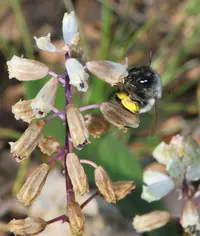
Bellevalia flexuosa is a small bulbous perennial from the eastern Mediterranean, valued for its compact size and subtle spring flowers. It typically produces narrow, arching leaves and short flowering stems topped with dense clusters of nodding, urn-shaped blooms in soft blue to violet tones.
In gardens it grows in loose clumps and suits rock gardens, meadow-style plantings, or pots. It prefers sunny to lightly shaded sites with well-drained, moderately dry soil.
Once established, it is relatively low maintenance, as the bulbs store energy and return yearly if not overwatered. Understanding how to care for Bellevalia flexuosa mainly involves providing drainage and avoiding heavy, waterlogged soils.

Care Difficulty
Moderate Care

Light Preference
Partial Sun

Water Requirements
Moderate Water

Temperature Preference
Cool Climate

Hardiness Zone
6–9

Soil Texture
Sandy, Loamy, Organic-rich

Soil pH
Acidic (5.5–6.5), Slightly acidic (6.5–7.0)

Soil Drainage
Well-drained

Fertilization
Minimal (feed rarely)
Scan your plant to receive care tips personalized for your specific plant
Available on iOS and Android
This bulb prefers bright, cool conditions with light shade during the hottest hours.
This species needs moderate moisture during active growth and much drier soil when dormant.
This bulbous plant prefers cool to mild conditions and benefits from a noticeable winter chill.
This bulb tolerates typical indoor humidity and does not need special moisture in the air.
This bulb prefers freely draining, moderately fertile mineral soil that never stays waterlogged.
This small bulb is well suited to container growing outdoors.
This bulb needs only modest feeding when grown in average, reasonably fertile soil.
Pruning needs are minimal and focus on keeping the bulbs healthy and tidy.
This bulb is usually grown in the ground and only needs infrequent transplanting or division.
This species is most often propagated by dividing bulbs and offsets, with seeds used mainly for longer-term increase.
This bulb is generally hardy in temperate climates and needs limited winter attention in the ground.

Plant Health Check
Not sure what's wrong with your plant? Check your plant's health inside the app.
This species occurs naturally in the eastern Mediterranean, especially in parts of Greece and nearby regions, where it grows in open, grassy, and rocky habitats with dry summers and wetter, mild winters.
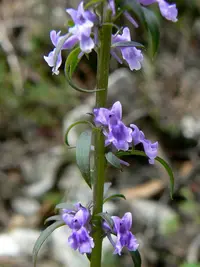
It produces narrow, flexible flowering stems with small, urn-shaped, usually bluish to violet flowers that often nod slightly, giving the inflorescence a more delicate, lax appearance than many related bulbous genera.
In its native climate it grows mainly from late winter to spring, then enters summer dormancy when the bulbs rest underground during the hottest, driest months, an adaptation to the Mediterranean seasonal pattern.
This bulb usually flowers in mid to late spring, often after early bulbs like crocus. The blooming period is fairly short, typically 2–4 weeks, depending on temperature, soil moisture, and overall plant vigor.
Keep your plants happy and healthy with plant identification, disease detection, and easy care guidance.