Mark Dormant Clumps
Flag or tag the planting area in late spring so you do not accidentally dig or till through the dormant tubers when the foliage disappears in summer.

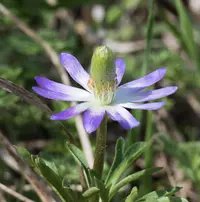
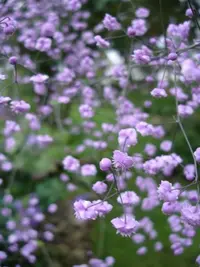
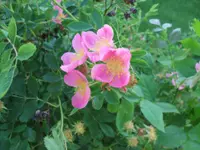
Tenpetal thimbleweed (Anemone berlandieri) is a small perennial wildflower in the buttercup family. It forms low clumps from underground tubers and goes dormant in summer heat. Flowers appear on slender stems in early spring, usually with 10 or more petal-like sepals in white, pink, or lavender shades. The foliage is finely divided and soft, giving the plant a delicate look despite its toughness. This species is native to prairies and open woodlands of the south-central United States, especially Texas. It prefers sun to light shade, with well-drained, often sandy or rocky soil. These traits make how to care for tenpetal thimbleweed moderately easy where winters are mild and soils do not stay wet.

Care Difficulty
Moderate Care

Light Preference
Partial Sun

Water Requirements
Moderate Water

Temperature Preference
Cold Hardy

Hardiness Zone
6–9

Soil Texture
Sandy, Loamy, Rocky

Soil pH
Acidic (5.5–6.5), Slightly acidic (6.5–7.0)

Soil Drainage
Well-drained

Fertilization
Minimal (feed rarely)
Scan your plant to receive care tips personalized for your specific plant
Available on iOS and Android
Anemone berlandieri grows best in bright light with some protection from intense afternoon sun.
This species prefers evenly moist, well-drained soil that never stays saturated for long.
This plant is a cool-season grower that prefers mild temperatures and tolerates brief cold spells.
Humidity is a minor factor for Anemone berlandieri and it grows well in typical outdoor air levels.
Anemone berlandieri prefers airy, well-drained, moderately fertile soil that does not stay wet for long.
This species adapts well to container growing when drainage and root depth are carefully managed.
Anemone berlandieri benefits from light feeding but excessive fertilizer can reduce flowering.
Pruning Anemone berlandieri is minimal and mainly supports tidy growth and flowering.
This species is usually grown in the ground, and transplanting is done infrequently and with care.
Anemone berlandieri is commonly propagated by division or seed under suitable conditions.
This species is moderately cold hardy and usually needs only simple winter care in most temperate climates.

Plant Health Check
Not sure what's wrong with your plant? Check your plant's health inside the app.
This species is native to prairies and open woodlands of the south-central United States, where it often appears in early spring as one of the first showy wildflowers on shallow, rocky soils.
Individual flowers can range from white and pale pink to deep violet within the same population, and petal-like sepals may fade or change tone as they age, giving a shifting color display over the flowering period.
After flowering, the plant forms a distinctive round head of fruits with long, hairy styles that act like parachutes, allowing seeds to be carried away by the wind across open grassland habitats.

The species was named in honor of the 19th-century naturalist Jean Louis Berlandier, who extensively collected plants in Texas and northern Mexico, helping document the flora of the region where this spring-blooming anemone is most characteristic.
This species usually flowers in late winter to mid-spring, often from February to April in mild climates. Individual blooms last several days, but new buds open over weeks, creating an extended but cool-season display.
Keep your plants happy and healthy with plant identification, disease detection, and easy care guidance.