Big-flower Cinquefoil Care (Drymocallis fissa)

About Big-flower Cinquefoil

Big-flower cinquefoil, Drymocallis fissa, is a cold-hardy perennial wildflower in the rose family. It forms loose clumps of divided, slightly hairy leaves and upright flowering stems.

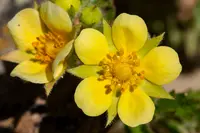
Showy yellow flowers with broad petals appear in late spring to summer, giving a soft, natural look in meadows, rock gardens, and pollinator plantings. It occurs naturally in dry, open slopes and mountain grasslands of the western United States.

This species prefers full sun, well-drained, often rocky soils, and tolerates dry conditions once established. These traits make it relatively simple to care for Big-flower Cinquefoil in low-maintenance, water-wise plantings.

Main Plant Requirements

Care Difficulty

Easy Care

Light Preference

Full Sun

Water Requirements

Moderate Water

Temperature Preference

Cold Hardy

Hardiness Zone

4–8

Soil Texture

Sandy, Loamy, Rocky

Soil pH

Slightly acidic (6.5–7.0), Neutral (7.0)

Soil Drainage

Well-drained

Fertilization

Minimal (feed rarely)

Get Personalized Care Plan

Scan your plant to receive care tips personalized for your specific plant

Available on iOS and Android

How to Care for the Big-flower Cinquefoil

Drymocallis fissa grows best in open, bright conditions that mimic sunny mountain meadows.

  • Provide 6–8 hours of direct sun daily; morning sun plus light afternoon shade helps prevent leaf scorch in hot summers.
  • Tolerates light partial shade, but Big-flower Cinquefoil flowers more heavily and stays compact in full sun conditions.
  • In cooler climates, full sun all day is ideal, while in hotter regions some filtered light after 2–3 pm reduces stress and premature wilting.

Drymocallis fissa prefers moderately dry, well-drained soil and is sensitive to prolonged wetness.

  • Water when the top 3–5 cm of soil is dry, using deep, infrequent soaking rather than light, frequent splashes.
  • Reduce watering in cool seasons; in summer drought, watch for limp, dull leaves as a sign the plant needs a thorough soak.
  • Ensure gritty, fast-draining soil; yellowing, soft stems or a sour smell indicate overwatering and possible root rot development.

This species is adapted to cool to warm temperate climates with marked seasonal changes.

  • Active growth is strongest at 55–75°F (13–24°C), with flowering and foliage quality best in the cooler part of this range.
  • Mature plants usually tolerate lows near 0°F (−18°C) with good drainage, dying back above ground but resprouting in spring.
  • Handles dry summer heat up to about 85–90°F (29–32°C) if soil is not waterlogged, but prolonged hotter periods can reduce flowering and vigor.

Drymocallis fissa grows well in typical outdoor humidity and rarely needs special humidity management.

  • Prefers 30–60% humidity but tolerates drier air typical of many inland gardens.
  • Low humidity stress appears as browned leaf edges and quicker wilting during hot, windy periods.
  • Mulch the soil surface 3–5 cm deep to buffer root-zone moisture when air is very dry.
  • In exposed, arid sites, cluster plants near other perennials or a windbreak to slightly raise local humidity.

Drymocallis fissa performs best in loose, well-drained, moderately fertile soil that does not stay waterlogged.

  • Use a sandy or loamy structure with 30–40% coarse sand or grit to keep pores open for root aeration.
  • Aim for slightly acidic to neutral pH around 6.0–7.0, avoiding strongly acidic or alkaline spots that limit nutrient availability.
  • Blend garden soil with compost at about 3:1 to add organic matter while still keeping a crumbly, non-clayey texture.
  • Avoid compacted clay or low-lying areas; if drainage is slow, build a raised bed and incorporate sharp sand or fine gravel.

This species can grow in containers if the pot is prepared to mimic dry, well-drained ground conditions.

  • Choose a deep pot at least 25–30 cm tall so roots can anchor and the plant stays upright in wind.
  • Select a heavy clay or ceramic container in exposed sites to prevent tipping as clumps expand and flower stalks elongate.
  • Line the bottom with coarse gravel above the drainage holes to prevent mix compaction while still allowing rapid water escape.

This native perennial usually needs minimal feeding, but light fertilization can support flowering in lean soils when caring for Big-flower Cinquefoil.

  • Use a balanced, slow-release granular fertilizer (for example 10-10-10) or a thin layer of compost in early spring.
  • Apply once per year in the growing season for in-ground plants; container plants may benefit from 1–2 light feedings.
  • Dilute liquid fertilizers to 1/2 strength to avoid soft, weak growth and salt buildup.
  • Stop feeding in late summer so growth hardens before winter dormancy.

Pruning Drymocallis fissa is simple and mainly aims to maintain a tidy mound and encourage flowering.

  • Cut back spent flower stems in late spring or early summer to promote a neater appearance and potential rebloom.
  • Remove dead, damaged, or diseased stems whenever noticed, using clean, sharp hand pruners.
  • Thin out a few crowded, older stems at the base every 1–2 years to improve air flow and reduce disease risk.
  • Lightly shear the plant after blooming if a compact, low mound is desired in garden settings.

This species is more often grown in garden beds than containers, so care focuses on thoughtful transplanting rather than frequent repotting.

  • Transplant in early spring or early fall when temperatures are mild and soil is moist but not waterlogged.
  • Choose a sunny, well-drained site; amend heavy clay with grit or compost to prevent waterlogging around the crown.
  • Move plants only when clumps become crowded or flowering declines, typically every 3–5 years.
  • Lift with a wide root ball, keep roots shaded and moist, then water in thoroughly to limit transplant shock.

Propagation of Drymocallis fissa is usually done by seed or by dividing established clumps.

  • Sow fresh seed in fall outdoors or use cold stratification at 35–40°F for 6–8 weeks before spring sowing.
  • Provide a free-draining seed mix, gentle moisture, and bright light to support steady germination and seedling growth.
  • Divide mature clumps in early spring or early fall, ensuring each division has several shoots and a healthy root portion.
  • Replant divisions at the original soil depth, water thoroughly, and maintain even moisture until well re-established.

This hardy perennial generally needs little special winter care in most temperate climates.

  • Drymocallis fissa tolerates typical garden frosts where it is hardy, dying back to the crown in winter.
  • Apply a 5–7 cm layer of organic mulch after the ground cools to moderate soil temperature and moisture.
  • In very cold or exposed sites, add extra mulch or leaf litter over the crown, removing excess in early spring.

Care Tips

Rocky siting

Plant into a slightly raised, gravelly or rocky pocket so water drains away from the crown, which mimics its native foothill habitat and greatly reduces crown rot risk.

Spring division timing

Divide crowded clumps only in early spring just as new growth emerges, replanting divisions at the same depth and watering once to settle soil, then allowing the surface to dry between subsequent waterings.

Flowering boost grooming

Deadhead by cutting spent stems back to just above a leafy node rather than only snapping off the flowers, which encourages new flowering shoots instead of leaving bare stalks.

Targeted drought hardening

After the first establishment season, gradually extend the interval between deep waterings during late spring so roots grow deeper and the plant tolerates typical summer dryness better.

Seed bank management

If self-seeding is not desired, shear back the top third of the plants as soon as most flowers fade, before seed ripens, which keeps the planting tidy while still maintaining healthy foliage for caring for Big-flower Cinquefoil.

Common Pests and Diseases

Leaf spot

This disease causes small brown to purplish spots on leaves that can merge into larger blighted areas, especially in damp weather. Symptoms include early yellowing and drop of the older foliage on lower stems.

Solution

Remove and discard heavily spotted leaves to reduce the source of infection, and avoid overhead watering so foliage dries quickly. Improve air circulation around clumps, clean up fallen debris in autumn, and if the problem is persistent in wet seasons, use a copper or chlorothalonil-based fungicide labeled for ornamental perennials according to instructions.

Powdery mildew

This disease produces a white, powdery coating on upper leaf surfaces, often appearing during warm days and cool nights. Symptoms include distorted new growth and gradual decline in plant vigor if left unmanaged.

Solution

Thin and divide crowded clumps to improve airflow and water the soil rather than the foliage. Remove and destroy heavily affected leaves, and in recurring cases apply a sulfur or potassium bicarbonate-based fungicide as soon as the first white patches appear.

Aphids

These insects cluster on young stems, buds, and the undersides of leaves, sucking sap and excreting sticky honeydew. This pest can cause curled, distorted growth and may attract sooty mold on the leaf surface.

Solution

Spray colonies off with a strong stream of water and pinch back heavily infested shoot tips. If populations remain high, treat the plant with insecticidal soap or a light horticultural oil, making sure to coat the undersides of the leaves and repeating as needed according to product directions.

Leafhoppers

These insects feed on the undersides of leaves and jump quickly when disturbed, producing small white or pale stippling and sometimes causing leaf edge browning. This pest can also transmit leafhopper-borne pathogens between cinquefoil plants.

Solution

Reduce grassy or weedy cover right next to plantings, since these areas shelter leafhoppers, and remove badly damaged foliage. Use a fine spray of insecticidal soap or pyrethrin-based products in the evening when leafhoppers are active, treating both leaf surfaces and repeating during peak activity periods if needed.

Spider mites

These pests are tiny sap-sucking arachnids that thrive in hot, dry conditions, causing fine stippling, dulling of leaf color, and sometimes delicate webbing on undersides of leaves. Symptoms include gradual bronzing of foliage and reduced vigor during prolonged dry spells.

Solution

Increase humidity around the plants slightly and hose down foliage, focusing on leaf undersides, to physically dislodge mites. If infestation is significant, apply insecticidal soap or horticultural oil, repeating at 5–7 day intervals until new growth appears clean, and avoid water stress to reduce vulnerability.

Interesting Facts

Foothills habitat specialist

This species is naturally restricted to the foothills of the southern Rocky Mountains in Colorado and northern New Mexico, where it typically grows on open, rocky slopes and grasslands rather than in rich forest soils.

Distinctive split petals

The flowers have 5 broad yellow petals that are characteristically notched or shallowly divided at the tip, giving a slightly frayed appearance that helps distinguish it from similar cinquefoil relatives.

Glandular and sticky foliage

Leaves and flowering stems bear fine hairs and glandular surfaces that can feel slightly sticky, a feature that likely helps reduce herbivory and water loss in its exposed, often dry habitats.

FAQs about Big-flower Cinquefoil

This species is highly attractive to many native bees and small butterflies, which visit the large yellow flowers for nectar and pollen. It supports pollinator diversity and works well in wildlife-friendly or prairie-style plantings.

Grow Healthy Plants with Botan Care

Keep your plants happy and healthy with plant identification, disease detection, and easy care guidance.

Botan plant care app — identify plants on mobile

Explore More Plants