Persian lily Care (Fritillaria persica)

Also known as: Persian Lily
Persian lily

About Persian lily

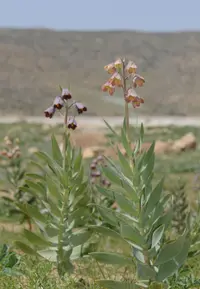
Persian lily, Fritillaria persica, is a bulbous perennial best known for its tall spires of nodding, bell-shaped flowers in deep purple or greenish tones. The flowers appear in mid to late spring above narrow, gray-green foliage, giving a strong vertical accent in beds and borders.

This species is native to rocky slopes and open areas in the Eastern Mediterranean and parts of the Middle East. It prefers well-drained soil and relatively dry conditions when dormant, which are key points in how to care for Persian lily.

The plant can be somewhat demanding, as bulbs dislike waterlogged soil and may fail in heavy, wet ground. It suits gardeners comfortable with bulbs that need specific drainage and seasonal dryness.

Main Plant Requirements

Care Difficulty

Moderate Care

Light Preference

Full Sun

Water Requirements

Moderate Water

Temperature Preference

Cold Hardy

Hardiness Zone

4–8

Soil Texture

Sandy, Loamy, Rocky

Soil pH

Slightly acidic (6.5–7.0), Neutral (7.0)

Soil Drainage

Well-drained

Fertilization

Minimal (feed rarely)

Get Personalized Care Plan

Scan your plant to receive care tips personalized for your specific plant

Available on iOS and Android

How to Care for the Persian lily

This bulb prefers bright, open conditions with cool roots and strong top light during its spring growth.

  • Provide 6–8 hours of direct sun daily in spring, ideally full morning sun with lighter afternoon exposure to prevent scorching in hotter regions.
  • Allow light partial shade in summer once foliage dies back; the bulbs tolerate drier, brighter sites if soil does not bake rock hard.
  • If stems stretch, lean, or flower spikes form poorly, light is insufficient; in very intense sun, bleaching or crisp leaf edges indicate excess exposure for Persian lily.

This species needs moisture during active growth but is sensitive to sitting in wet soil around the bulbs.

  • In spring, water only when the top 3–5 cm of soil feel dry, then soak the root zone thoroughly so excess drains away; avoid puddling or standing water.
  • Choose sharply drained soil or a raised bed so water moves through quickly; heavy clay should be loosened with grit or compost to reduce rot risk for Fritillaria persica.
  • Reduce or stop watering once foliage yellows and collapses in late spring or early summer; wrinkling, flaccid leaves suggest underwatering, while yellowing at the base with soft bulbs suggests overwatering.

This plant is adapted to cool, wet winters and warm, dry summers typical of Mediterranean-style climates.

  • Active growth and flowering occur best at 50–65°F (10–18°C); prolonged warmth above 75°F (24°C) in spring can shorten blooming and hasten dieback.
  • Dormant bulbs tolerate winter cold down to about 10–15°F (-12 to -9°C) in well-drained soil; mulch lightly in colder zones to buffer freeze-thaw cycles.
  • Summer heat to 85–95°F (29–35°C) is tolerated if the soil stays dry; extended periods above this range with moisture around bulbs increase rot and stress.

This species tolerates typical indoor humidity and rarely needs special humidity management.

  • Aim for 30–50% humidity; sustain drier air by focusing more on correct light and watering than on misting.
  • Leaves or stems that shrivel while the soil is moist usually indicate excess warmth or root issues, not low humidity.
  • If air is extremely dry from heating, group pots together on a wide, pebble-filled tray to slightly buffer rapid moisture loss.

Fritillaria persica needs sharply drained, airy soil to prevent bulb rot.

  • Use a sandy or gritty loam with 30–50% mineral grit such as coarse sand, pumice, or fine gravel to keep pores open around bulbs.
  • Blend in a small amount of mature compost for nutrients but avoid heavy peat that compacts and holds water too long.
  • Target slightly alkaline to neutral pH around 7.0–7.5; incorporate a little garden lime if local soil is very acidic.
  • Avoid dense clay, poorly drained beds, or spots where water pools in winter, as prolonged saturation quickly damages bulbs.

This species can be grown successfully in containers when drainage and pot stability are carefully managed.

  • Choose a deep, heavy pot to anchor the tall flowering stems and prevent tipping in wind.
  • Fill the container with a very free-draining bulb mix, layering coarse grit at the base so water clears the root zone quickly.
  • Position the pot on pot feet or bricks so drainage holes stay clear and excess water escapes instead of collecting under the base.

This bulb benefits from modest feeding to support flowering but does not need heavy fertilization.

  • Apply a balanced, slow-release fertilizer (around 10-10-10) or well-rotted compost in early spring as new shoots emerge.
  • Feed once more in mid-spring if soil is poor; in fertile beds, a single spring application is enough.
  • Use fertilizer at 1/2 recommended strength for container-grown Persian lily to prevent salt buildup.
  • Stop feeding after flowering and allow foliage to yellow naturally before the bulb enters dormancy.

Pruning needs for Fritillaria persica are minimal and focus on post-flowering clean-up.

  • In late spring or early summer, remove spent flower spikes at the base using clean, sharp pruners.
  • Leave green foliage intact until it turns fully yellow, so bulbs can store energy for next year’s blooms.
  • Cut back dry, brown stems and leaves to soil level to reduce disease carryover and keep beds tidy.

This species is usually grown as a garden bulb, with transplanting done infrequently to reduce disturbance.

  • Lift and divide clumps only every 3–4 years, when flowering declines or bulbs become crowded.
  • Schedule transplanting for late summer to early fall, after foliage has fully died back and bulbs are dormant.
  • Choose a well-drained, gritty soil and replant bulbs at 2–3 times their height, spacing them to prevent congestion.
  • Handle bulbs gently, keep roots and basal plate intact, and replant promptly to limit transplant stress.

Fritillaria persica propagation is possible but slow, usually done by bulbs or seed for patient growers.

  • Divide offsets from mature bulbs in late summer when plants are dormant, replanting them immediately in well-drained soil.
  • Sow fresh seed in pots in fall, placing them outdoors for natural cold stratification over winter.
  • Keep seed pots evenly moist, cool, and bright; seedlings may need several years before reaching flowering size.
  • Label and leave young bulbs undisturbed, as frequent lifting slows establishment and flowering.

This bulb is relatively cold hardy in many temperate gardens but still benefits from thoughtful winter care.

  • In ground, it usually tolerates winter in USDA zones around 5–8 if soil drains very well.
  • Apply a 5–8 cm layer of loose mulch after the ground cools to insulate bulbs while avoiding waterlogging.
  • In very wet or colder climates, lift bulbs after dormancy, store them cool and dry, then replant in fall.
  • Move containers to a sheltered, frost-prone but not deeply freezing spot, such as an unheated garage or cold frame.

Care Tips

Bulb orientation check

When planting, place each bulb on its side if the growing point is not obvious; this prevents water from pooling in the hollow top and reduces basal-rot risk when growing Persian lily.

Staggered planting depths

Plant a few bulbs slightly deeper (15–20 cm) than the others (10–15 cm) to create a more natural, tiered flower display and extend the overall bloom window in one planting area.

Discreet staking method

Insert slim, dark stakes on the north side of each clump at planting time so they are in place before stems elongate, then loosely tie stems with soft garden twine to prevent wind damage without drawing attention to the supports.

Post-bloom bulb marking

As soon as flowers fade, clearly label the spot with durable markers or a planting map so the exact bulb positions are not disturbed during summer border work when foliage has completely died back.

Targeted crown protection

In colder regions, apply a loose, dry mulch such as pine needles or coarse bark over the planting area after the soil has cooled in late fall, then remove most of it early in spring to protect emerging shoots from rot and slug damage.

Common Pests and Diseases

Lily beetle

This pest feeds on leaves, stems, and flower buds, leaving ragged holes and often stripping foliage completely. Symptoms include bright red adult beetles and dark, slimy larvae usually covered in their own excrement.

Solution

Hand-pick and crush adults and larvae as soon as they are seen, checking plants daily during spring and early summer. Remove and destroy egg clusters from leaf undersides and, if pressure is high, use a targeted insecticide labeled for ornamental bulbs, applying in calm weather and following label directions carefully.

Bulb rot

This disease affects the underground bulb, causing soft, discolored, or foul-smelling tissue and poor or absent shoots in spring. Symptoms include stunted growth, yellowing leaves, and bulbs that collapse when squeezed.

Solution

Discard any soft or moldy bulbs and only plant firm, healthy ones in well-drained soil or raised beds. Improve drainage with grit or sand, avoid overwatering and heavy soils, and rotate planting sites to reduce buildup of rot-causing fungi and bacteria, which is central to long-term Fritillaria persica plant care.

Basal plate rot

This disease starts at the basal plate, the flat base of the bulb where roots emerge, leading to brown, sunken, and decayed tissue. Symptoms include weak shoots, early yellowing, and bulbs that break apart at the base when lifted.

Solution

Lift and inspect bulbs at the end of the season and discard any with brown, sunken, or crumbly basal plates. Plant only clean bulbs in fresh, free-draining soil, avoid planting too deeply in cold, wet sites, and space bulbs so air and excess moisture can dissipate around the planting area.

Narcissus bulb fly

This insect lays eggs at the neck of bulbs, and its larvae tunnel inside, hollowing out the bulb from within. Symptoms include weak, distorted, or absent shoots and bulbs that feel unusually light when lifted and cut open.

Solution

Remove and destroy any suspicious bulbs that fail to emerge or show tunneling when cut. Plant bulbs slightly deeper, cover emerging shoots with mesh in early spring to deter egg-laying, and avoid leaving old bulbs or plant debris in the soil that can harbor overwintering larvae.

Botrytis blight

This disease is caused by a fungus that attacks leaves and flower stalks during cool, damp weather. Symptoms include brown or gray spots on foliage, water-soaked lesions, and a gray fuzzy mold on affected tissue.

Solution

Promptly remove and discard infected leaves and spent flower stems, and avoid overhead watering that leaves foliage wet for long periods. Improve air circulation around plants by proper spacing and, in severe or recurring cases, consider a fungicide labeled for ornamental bulbs, applied according to label directions and timed for cool, wet periods.

Interesting Facts

Tall spire inflorescences

This species forms a single, upright flowering stem that can carry several dozen nodding, bell-shaped flowers closely packed into a dense, spire-like cluster.

Naturally muted flower color

Its flowers are typically deep purple to grayish-black, a relatively uncommon color range in garden bulbs and one thought to play a role in attracting specific early-season pollinators.

Eastern Mediterranean native

The plant is native to rocky slopes and open habitats from Turkey through Syria, Lebanon, Israel, Jordan, and into western Iran, where it grows in well-drained, often calcareous soils.

Botan icon

Did you know?

Fritillaria persica produces a distinctive, somewhat musky scent from its flowers, which is believed to attract early pollinating insects that are active in its native spring climate, even though many people find the odor unpleasant compared to other ornamental bulbs.

FAQs about Persian lily

Lack of flowers usually comes from bulbs that are too young, overcrowded, or exhausted, or from insufficient winter chill. Overly rich or wet soil also reduces flowering. Allow foliage to die back naturally so bulbs can recharge for next year.

Grow Healthy Plants with Botan Care

Keep your plants happy and healthy with plant identification, disease detection, and easy care guidance.

Botan plant care app — identify plants on mobile

Explore More Plants