Indian pink Care (Spigelia marilandica)

Also known as: Worm-grass, Indian Pink
Indian pink

About Indian pink

Indian pink, Spigelia marilandica, is a shade-loving perennial native to woodlands in the southeastern United States. It forms neat clumps of upright stems with glossy green leaves.

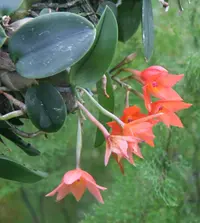
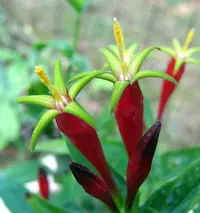
In late spring to early summer, it produces narrow, tubular red flowers with star-shaped yellow tips that attract hummingbirds. The plant has a moderate growth rate and prefers stable, moist conditions, so it can be slow to establish.

Once settled, it is long-lived but dislikes drought, disturbed roots, and deep shade, which can make it somewhat finicky. Understanding how to care for Indian pink helps gardeners keep it healthy in woodland or shaded garden settings.

Main Plant Requirements

Care Difficulty

Moderate Care

Light Preference

Partial Shade

Water Requirements

Regular Water

Temperature Preference

Cold Hardy

Hardiness Zone

5–9

Soil Texture

Loamy, Silty, Organic-rich

Soil pH

Acidic (5.5–6.5), Slightly acidic (6.5–7.0)

Soil Drainage

Moist but well-drained

Fertilization

Minimal (feed rarely)

Get Personalized Care Plan

Scan your plant to receive care tips personalized for your specific plant

Available on iOS and Android

How to Care for the Indian pink

This woodland perennial prefers bright shade with brief gentle sun rather than harsh, open exposure.

  • Provide 2–4 hours of morning sun with light shade or dappled light the rest of the day, especially in hotter regions.
  • Tolerates partial shade to full shade, but flowering of Indian pink is strongest in bright, filtered light under high trees or on an east side.
  • Protect from intense afternoon sun, which can scorch leaves and dry soil quickly; in summer, increase shade if foliage pales or edges brown.

This plant prefers consistently moist, cool soil that never stays waterlogged.

  • Water when the top 3–5 cm of soil feels dry, aiming for evenly moist soil during active growth in spring and early summer.
  • Ensure rich, humusy soil with good drainage; standing water or sour smell around Spigelia marilandica indicates poor drainage and risk of root rot.
  • In mid to late summer, allow the soil surface to dry slightly deeper between waterings, watching for dull, drooping leaves as a sign it needs moisture.

This species is a hardy woodland perennial that tolerates a wide temperature range when grown in the ground.

  • Ideal growing temperatures are 65–80°F (18–27°C) in spring and early summer, when most shoot and flower development occurs.
  • Mature plants typically survive down to about 0°F (−18°C) in the soil, with foliage dying back after the first hard frosts of fall.
  • In summer, plants handle brief heat up to around 90°F (32°C) if soil stays moist and roots are mulched to buffer temperature swings.

This species prefers moderate, steady humidity but usually adapts to typical indoor and outdoor levels.

  • Aim for 40–60% humidity to reduce leaf tip browning and keep foliage turgid.
  • Tolerates brief dry indoor air, but extended humidity below 30% can cause crisping edges and slower growth.
  • Increase humidity with a nearby humidifier or grouped plants rather than misting, which adds little lasting moisture.

This woodland perennial performs best in loose, moist, organic-rich soil with reliable drainage.

  • Use a loamy mix with high organic matter, such as garden loam blended with compost and shredded leaf mold.
  • Ensure drainage by incorporating 20–30% pine bark fines or perlite so water moves through but soil stays evenly moist.
  • Target a slightly acidic to neutral pH around 6.0–7.0, which suits Spigelia marilandica in most garden settings.
  • Avoid heavy, compacted clay or constantly waterlogged spots, which promote root rot and poor aeration.

This species can grow successfully in containers when moisture and stability are carefully managed.

  • Choose a deep, slightly wider-than-root-ball pot so the fleshy roots have room to spread vertically without circling tightly.
  • Select a heavy ceramic or clay container outdoors to keep the upright stems stable in wind and reduce tipping.
  • Elevate the pot on feet or bricks so drainage holes stay clear and excess water escapes quickly after rain or watering.

Spigelia marilandica benefits from light, targeted feeding rather than heavy fertilization.

  • Use a balanced, slow-release fertilizer (around 10-10-10) or a thin layer of compost in early spring as new growth appears.
  • Feed once more in midsummer if growth seems weak, keeping total applications to 1–2 times per growing season.
  • Apply at half the label rate to avoid excess nitrogen, which can reduce flowering in Indian pink.
  • Skip feeding in fall and winter when the plant is dormant, to prevent soft, frost-prone growth.

Pruning needs for Spigelia marilandica are modest and focus on tidiness and flowering performance.

  • In late fall or very early spring, cut back dead stems at ground level using clean, sharp hand pruners.
  • During the growing season, remove spent flower stalks to encourage a tidier clump and sometimes a light rebloom.
  • Thin out any weak, congested stems at the base to maintain airflow and a well-shaped, compact mound.
  • Disinfect blades before and after use to limit disease spread, especially in damp or crowded plantings.

This native perennial dislikes frequent disturbance, so transplant Spigelia marilandica only when clearly needed.

  • Plan transplanting for early spring or early fall, when soil is moist and temperatures are mild.
  • Move clumps that show overcrowding, dieback in the center, or very slow growth despite good care.
  • Dig a wide root ball, keep soil intact around the roots, and replant at the same depth to reduce shock.
  • Water thoroughly after transplanting, then keep soil evenly moist and shaded for 1–2 weeks while roots re-establish.

Spigelia marilandica is usually propagated modestly by division or seed under controlled conditions.

  • Divide mature clumps in early spring just as shoots emerge, separating sections with several buds and healthy roots.
  • Replant divisions immediately into prepared soil, water well, and maintain consistent moisture until established.
  • Sow fresh seed outdoors in fall or in pots that experience natural winter chilling for better germination.
  • Provide lightly shaded conditions, humus-rich soil, and steady moisture to support slow, steady establishment of new plants.

This perennial is generally cold hardy in much of its range and needs only simple winter care.

  • After frost, allow stems to die back naturally, then cut them to ground level in late fall or early spring.
  • Apply a 5–7 cm layer of mulch over the root zone in late fall, keeping it slightly away from the crown.
  • Container-grown plants in cold regions can be moved into an unheated garage or sheltered area to prevent root freeze.

Care Tips

Protect from mulch

Pull organic mulch 5–8 cm back from the crowns to reduce crown rot risk and give the new shoots room to emerge cleanly each spring.

Mark dormant clumps

Place discreet labels or stones where clumps grow so you do not disturb or divide them accidentally when they are fully dormant and invisible in late fall and winter.

Support taller stems

In richer soils, install low, nearly invisible ring supports or short peony hoops in early spring so taller flowering stems stay upright without flopping after heavy rain.

Staggered dividing

Divide only a portion of an established clump every 4–5 years and leave the rest undisturbed to maintain flowering while gradually increasing your stock when growing Indian pink in woodland borders.

Edge to control spread

Use a half-moon edger once a year around the planting area to keep slow rhizome spread within bounds and prevent the clump from creeping into paths or neighboring plants.

Common Pests and Diseases

Leaf spot

This disease causes small brown to dark purple spots on leaves that may merge into larger blotches, especially in warm, wet conditions.

Solution

Remove and discard affected leaves, avoid overhead watering, and keep foliage as dry as possible by watering at soil level; if spots progress during extended wet weather, apply a labeled ornamental garden fungicide and improve spacing for better airflow.

Rust

This disease produces orange to rust‑colored pustules or powdery patches on the undersides of leaves, sometimes leading to premature yellowing and drop.

Solution

Prune and dispose of heavily infected foliage, water early in the day so leaves dry quickly, and avoid crowding; in persistent cases, use a sulfur or chlorothalonil-based fungicide labeled for ornamental rust control and rotate products if repeat treatments are needed.

Spider mites

These pests cause fine stippling, a dull or grayish cast to leaves, and may leave delicate webbing, especially during hot, dry periods.

Solution

Rinse stems and leaf undersides thoroughly with a strong but gentle stream of water, increase humidity around the planting, and use insecticidal soap or horticultural oil applied to all leaf surfaces on a 7–10 day schedule until new growth appears clean.

Slugs and snails

These pests chew irregular holes in foliage and may leave slime trails on or around plants, particularly in shaded, moist beds.

Solution

Hand-pick at dusk or early morning, reduce hiding spots such as dense mulch right against stems, and place iron phosphate slug bait or simple traps (beer or yeast-based) around the planting while reapplying after heavy rain.

Interesting Facts

Eastern woodland specialist

This species is native to rich, partially shaded woodlands and stream banks in the southeastern and south-central United States, where it often grows at the edges of deciduous forests rather than in open meadows.

Hummingbird-adapted flowers

Its tubular red flowers with yellow interiors are morphologically adapted to hummingbird pollination, with the long narrow corolla and nectar reward matching the bill length and feeding behavior of ruby-throated hummingbirds.

Slow, clumping growth

The plant forms tight, slowly expanding clumps from short rhizomes, which means established groups can remain in the same location for many years without becoming invasive.

Botan icon

Did you know?

The species has become a regional conservation concern in parts of its native range because habitat loss and forest alteration have fragmented many wild populations, leading some states in the US to track it as a plant of special interest or protected status.

FAQs about Indian pink

Lack of flowers often comes from too much shade, immature plants, or depleted soil. Ensure it has partial sun, consistent moisture, and a light layer of compost each spring. Avoid heavy pruning of new growth before bud formation.

Grow Healthy Plants with Botan Care

Keep your plants happy and healthy with plant identification, disease detection, and easy care guidance.

Botan plant care app — identify plants on mobile

Explore More Plants