common sneezeweed Care (Helenium autumnale)

Also known as: swamp sunflower
common sneezeweed

About common sneezeweed

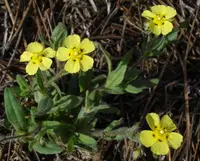
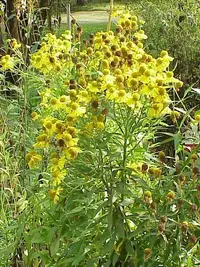
Common sneezeweed, Helenium autumnale, is a North American perennial wildflower often used in borders and naturalistic plantings. It forms upright clumps with many branching stems. Plants carry bright yellow, daisy-like blooms with distinctive rounded centers, usually flowering from late summer into fall. The sturdy stems and long-lasting flowers make it attractive to bees and butterflies. This species naturally occurs in moist meadows, stream edges, and low prairies, so it prefers sun and soil that does not dry out for long. Once established, it is generally reliable, but good moisture and light are important if you want to care for common sneezeweed successfully.

Main Plant Requirements

Care Difficulty

Easy Care

Light Preference

Full Sun

Water Requirements

Regular Water

Temperature Preference

Cold Hardy

Hardiness Zone

3–8

Soil Texture

Loamy, Clay, Organic-rich

Soil pH

Acidic (5.5–6.5), Slightly acidic (6.5–7.0)

Soil Drainage

Moist but well-drained

Fertilization

Minimal (feed rarely)

Get Personalized Care Plan

Scan your plant to receive care tips personalized for your specific plant

Available on iOS and Android

How to Care for the common sneezeweed

Helenium autumnale forms strongest stems and best flowering in consistent, direct sun exposure.

  • Provide 6–8 hours of direct sun daily; full sun is ideal, and common sneezeweed tends to lean or flop if light is too low.
  • Tolerates light afternoon shade, especially in hot climates, but dense shade reduces flower quantity and can increase disease risk.
  • In late summer and early fall, ensure plants are not shaded by taller neighbors or structures, which can shorten bloom time and weaken growth.

Helenium autumnale prefers evenly moist, well-drained soil without long periods of drought or standing water.

  • Water when the top 3–5 cm of soil feels dry; in most garden soils this means deeper watering less often rather than light daily sprinkling.
  • During hot, dry weather, increase watering frequency and apply mulch 5–7 cm deep to reduce evaporation and stabilize soil moisture.
  • Watch for wilting, crisp leaf edges, or slowed growth as signs of underwatering; yellowing lower leaves and soft, blackened stems suggest overwatering or poor drainage.

This hardy perennial handles a wide range of outdoor temperatures but grows and flowers best in moderate summer conditions.

  • Optimal growth occurs around 65–80°F (18–27°C), with strong flowering in warm but not extreme summers.
  • Mature plants usually tolerate winter lows near -20°F (-29°C) in the ground when soil is well-drained and mulched in colder regions.
  • Heat up to about 90°F (32°C) is tolerated if soil moisture is consistent; prolonged hotter periods with dry soil can cause stress, sparse blooms, and leaf scorch.

Humidity is rarely a limiting factor for Helenium autumnale grown outdoors.

  • Aim for ambient outdoor humidity in the 30–60% range, which suits this prairie and meadow species well.
  • Plants tolerate short periods of drier air if soil moisture is kept even and roots do not dry out completely.
  • Watch for browned leaf edges and premature flower drop as signs of combined drought and low humidity stress, and mitigate by mulching soil to stabilize moisture.

Helenium autumnale performs best in moist, well-structured soil that does not stay waterlogged.

  • Use a loamy or loam-clay soil with 20–30% compost to hold moisture while still allowing air around the roots.
  • Ensure drainage is moderate: soil should feel consistently damp after watering but not sticky or puddled for more than a few hours.
  • A slightly acidic to neutral pH around 6.0–7.0 supports nutrient uptake and strong flowering.
  • In heavy clay beds, improve aeration and drainage by working in coarse sand or fine gravel plus organic matter through the top 20–30 cm, and avoid compacted areas.

This species can be grown in containers if the pot is large and stable enough to support tall, top-heavy growth.

  • Select a deep, wide container so roots can anchor firmly and the tall stems are less likely to lean or lodge in wind.
  • Choose a heavier material such as ceramic or thick-walled plastic to reduce tipping as foliage and flower mass increase.
  • Elevate the pot slightly on feet or bricks to ensure rapid runoff of excess water and prevent the drainage holes from clogging against the ground.

Helenium autumnale benefits from modest, well-timed feeding in average garden soil.

  • Apply a balanced 10-10-10 or 5-10-5 fertilizer at half strength once in early to mid-spring as new growth starts.
  • In richer soil, use a light top-dressing of compost instead of granular fertilizer to avoid overly lush, floppy stems.
  • During the main growing season, one additional light feeding in early summer is sufficient for common sneezeweed.
  • Stop feeding by late summer and do not fertilize in fall or winter to prevent weak, frost-tender growth.

Thoughtful pruning helps Helenium autumnale stay upright, compact, and floriferous.

  • In late spring, pinch or shear back stems by about 1/3 to encourage bushier growth and more, smaller blooms.
  • Deadhead spent flower stems through summer with clean bypass pruners to extend the flowering period.
  • Remove dead, diseased, or crossing stems at the base whenever noticed to improve airflow and reduce fungal issues.
  • Cut back all stems to 5–10 cm above ground in late fall or very early spring to refresh the clump.

This perennial is usually grown in beds, so care focuses on dividing and transplanting clumps rather than repotting.

  • Plan division and transplanting for early spring or early fall when growth is slow and temperatures are mild.
  • Lift crowded or declining clumps every 3–4 years, or when flowering decreases and centers become woody.
  • Gently tease apart or cut clumps into sections, keeping several healthy shoots and roots on each division.
  • Replant divisions at the same depth in well-prepared soil, water thoroughly, and keep evenly moist until re-established.

Helenium autumnale is commonly propagated by division, stem cuttings, and seeds.

  • Divide mature clumps in early spring or early fall, replanting vigorous outer sections and discarding weak centers.
  • Take 7–10 cm softwood cuttings in late spring, root in a moist, free-draining mix under bright, indirect light.
  • Sow fresh seed in late fall outdoors or use 4–6 weeks of cold stratification before spring sowing indoors.
  • Maintain evenly moist but not waterlogged substrates and provide good air circulation to limit damping-off and rot.

This species is generally cold hardy in temperate climates and needs minimal winter attention in the ground.

  • After frost blackens the foliage, cut stems down to 5–10 cm to tidy beds and reduce disease carryover.
  • Apply a 5–7 cm mulch layer around, but not on top of, the crown in colder regions for root insulation.
  • Move container-grown plants into a sheltered, unheated area where soil stays just moist and does not freeze solid.

Care Tips

Pinch Early Stems

Pinch or cut back the top 5–10 cm of young shoots in late spring to encourage bushier plants with more flowering stems and better resistance to flopping.

Provide Discreet Support

Install low, circular plant supports or short stakes around clumps in late spring so the foliage can grow through them, keeping tall stems upright during late-summer bloom and heavy rain.

Deadhead In Stages

Remove spent flower clusters every 7–10 days during bloom, cutting back to a strong side shoot to prolong flowering and reduce unwanted self-seeding.

Divide To Rejuvenate

Lift and divide crowded clumps every 3–4 years in early spring, replanting only the most vigorous outer sections to maintain strong growth and abundant flowers when growing common sneezeweed.

Monitor For Rust

Inspect foliage regularly for orange-brown pustules of rust disease and promptly remove and dispose of infected leaves, then water at soil level to keep foliage dry and slow spread.

Common Pests and Diseases

Leaf spot

This disease causes small brown, purple, or black spots on leaves that can merge into larger dead patches, often starting on lower, older foliage in humid conditions.

Solution

Remove and dispose of heavily spotted leaves, avoid overhead watering, and water at soil level early in the day; improve spacing and airflow, and if needed apply a labeled copper or chlorothalonil fungicide during extended wet periods as part of broader Helenium autumnale care.

Powdery mildew

This disease produces a white, powdery coating on leaves and stems, often appearing late in the season when nights are cool and air circulation is poor.

Solution

Cut out and discard the worst affected shoots, thin crowded stems to improve airflow, avoid wetting foliage, and if mildew persists use a labeled sulfur or potassium bicarbonate product applied according to instructions.

Rust

This disease forms orange, brown, or rust-colored pustules on the undersides of leaves, which may turn yellow and drop prematurely in warm, moist weather.

Solution

Remove and destroy infected leaves, keep the area around the plant free of fallen debris, water at the base, and in recurring cases use a labeled systemic or protective fungicide, rotating active ingredients to reduce resistance risk.

Aphids

These insects cluster on young stems and flower buds, sucking sap and causing distorted growth and sticky honeydew that can attract sooty mold.

Solution

Spray colonies off with a strong stream of water, encourage natural enemies such as lady beetles, and treat persistent infestations with insecticidal soap or neem oil, ensuring thorough coverage of shoot tips and leaf undersides.

Leaf-mining larvae

This pest creates pale, winding tunnels inside leaves where larvae feed between the leaf surfaces, leading to blotchy, discolored foliage on affected stems.

Solution

Pinch off and discard mined leaves to remove larvae, keep plants vigorous with proper watering and nutrition, and if damage is heavy use a targeted systemic insecticide labeled for leaf miners, applying early when new mines first appear.

Interesting Facts

Late-season pollinator magnet

This species flowers from late summer into fall, providing nectar and pollen when many other meadow plants have finished blooming, which supports late-flying bees, butterflies, and hoverflies.

Moist habitat specialist

In the wild it is most often found in moist prairies, stream banks, wet meadows, and ditches across much of North America, showing a strong preference for seasonally wet, periodically flooded soils.

Non-allergenic name origin

Despite the name common sneezeweed, its pollen is heavy and insect-pollinated, not windborne, and historically the dried leaves were used as snuff to induce sneezing, which is how the plant got its common name.

Botan icon

Did you know?

Common sneezeweed is a larval host and nectar source for several native North American moths and butterflies, making it an important structural and nutritional component of late-season wetland and prairie insect communities.

FAQs about common sneezeweed

Poor flowering usually comes from too little sun, excess shade from taller plants, or soil that is too dry or nutrient-poor. Deadhead spent blooms, maintain consistent moisture, and avoid high-nitrogen fertilizers that promote leaves instead of flowers.

Grow Healthy Plants with Botan Care

Keep your plants happy and healthy with plant identification, disease detection, and easy care guidance.

Botan plant care app — identify plants on mobile

Explore More Plants