Anarrhinum duriminium Care

Anarrhinum duriminium

About Anarrhinum duriminium

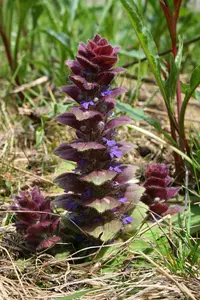
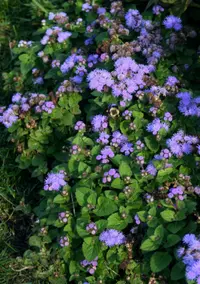
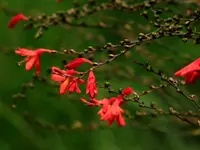
Anarrhinum duriminium is a small, short-lived perennial or annual from rocky slopes and cliffs in the western Mediterranean. It belongs to the plantain family and resembles a delicate, miniature snapdragon. Plants usually form loose clumps or trailing stems with narrow leaves and soft, tubular flowers held on slender spikes. It is adapted to dry, well-drained, often stony soils and exposed conditions, which makes it suited to rock gardens, walls, and containers. Once established, it tends to be fairly resilient, though seedlings can be sensitive to excess moisture and competition. Gardeners who want to learn how to care for Anarrhinum duriminium should focus on providing sun, sharp drainage, and avoiding heavy, waterlogged soil.

Main Plant Requirements

Care Difficulty

Moderate Care

Light Preference

Full Sun

Water Requirements

Moderate Water

Temperature Preference

Warm Climate

Hardiness Zone

8–10

Soil Texture

Sandy, Loamy, Rocky

Soil pH

Slightly acidic (6.5–7.0), Neutral (7.0)

Soil Drainage

Well-drained

Fertilization

Light (every 4–6 weeks)

Get Personalized Care Plan

Scan your plant to receive care tips personalized for your specific plant

Available on iOS and Android

How to Care for the Anarrhinum duriminium

This sun-loving Mediterranean perennial flowers best with bright, direct light in mild conditions.

  • Provide 6–8 hours of sun daily, with at least 3–4 hours of gentle morning sun; light afternoon shade helps in hot summers.
  • Tolerates light or dappled shade for part of the day, but stems become leggy and blooms decrease if sun drops below about 4 hours.
  • In very bright, hot climates, protect Anarrhinum duriminium from harsh midafternoon sun to prevent leaf scorch and premature wilting.

This plant prefers evenly moist but never saturated soil, especially during active growth and flowering.

  • Water when the top 3–5 cm of soil feels dry; in well-drained ground this often means every few days in warm, dry weather.
  • Reduce watering in cool seasons, allowing the soil surface to dry more deeply while avoiding complete drought that causes limp, folding foliage.
  • Watch for yellowing, soft stems as a sign of overwatering and crisp, browning leaf edges as an indicator of underwatering or prolonged drought.

This species prefers mild, temperate conditions and tolerates some cool weather but dislikes extremes.

  • Aim for daytime temperatures around 60–75°F (16–24°C) for strongest growth and flowering, with slightly cooler nights improving bud set.
  • Plants tolerate light chills down to about 28–30°F (-2–-1°C), but repeated hard frosts below this range can damage foliage and kill young plants.
  • In hot regions, growth slows above 85°F (29°C); provide afternoon shade and consistent soil moisture during heat waves to reduce stress and flower drop.

This species tolerates typical outdoor humidity and does not need special moisture in the air.

  • Performs well in 30–60% humidity, provided soil moisture is appropriate.
  • Handles moderately dry air without stress if roots are not allowed to dry completely.
  • Humidity stress appears as crisp leaf tips and slowed flowering rather than dramatic leaf drop.
  • If grown in a very hot, arid spot, group plants or use nearby mulch to slightly buffer humidity swings.

This plant prefers light, well-drained, moderately fertile soil to support steady flowering.

  • Use a sandy or sandy-loam mix with 30–40% sharp sand plus 20–30% compost for structure and nutrients.
  • Ensure fast drainage; water should pass through the root zone within seconds, not pool on the surface.
  • Aim for slightly alkaline to neutral pH, around 7.0–7.8, which suits Anarrhinum duriminium well.
  • Improve aeration by blending in perlite or fine grit; avoid heavy clay or compacted beds that stay wet after rain.

This species is suitable for container growing when given a free-draining setup that prevents waterlogging.

  • Choose a tall, narrow pot that gives deeper root room, which helps keep upright stems stable in wind.
  • Select terracotta or other porous materials if rainfall is frequent, so excess moisture evaporates faster.
  • Elevate the container on pot feet or bricks to keep drainage holes clear and reduce standing water around the base.

This Mediterranean perennial benefits from light, balanced feeding in containers or poor soils but usually needs modest nutrition in the ground.

  • Use a balanced liquid fertilizer (such as 10-10-10) at 1/2 strength every 3–4 weeks during the main growing and flowering period.
  • Choose slow-release fertilizer granules or a thin layer of compost for low-maintenance feeding in borders and larger pots.
  • Water before and after applying fertilizer to avoid root burn and to distribute nutrients evenly through the root zone.
  • Stop feeding Anarrhinum duriminium in late summer to fall so growth can harden before winter and remain dormant without soft, weak tissue.

Light pruning helps maintain compact growth and steady flowering in Anarrhinum duriminium.

  • Deadhead spent flower spikes through spring and summer using clean snips to encourage new blooms and prevent heavy self-seeding if unwanted.
  • Remove dead, diseased, or storm-damaged stems promptly to reduce fungal problems and improve air circulation.
  • In late winter or very early spring, trim back leggy or straggly growth to shape the plant and stimulate dense new shoots.
  • Disinfect pruning tools before and after use, especially when removing diseased material, to limit spread of pathogens.

This species is most often grown in beds or rocky sites, with transplanting more common than long-term container culture.

  • Transplant young plants in spring after frost, choosing a sunny, well-drained site that mimics its natural rocky habitat.
  • Move container plants only when roots circle the pot, drainage slows, or growth stalls despite good light and watering.
  • Shift into a container just 2–3 cm wider, using gritty, well-draining mix to prevent waterlogging and root rot.
  • Handle the root ball gently, keep roots shaded, water in thoroughly, and provide a few days of light shade to reduce transplant shock.

New plants are most often raised from seeds, with additional options for small-scale propagation at home.

  • Sow fresh seeds in late winter to early spring on the surface of a free-draining seed mix, as light helps germination.
  • Maintain 60–70°F, even moisture, and gentle air movement for 2–3 weeks until seedlings appear, then increase light levels.
  • Thin or prick out seedlings once they have 2–3 true leaves, spacing to avoid overcrowding and weak, etiolated growth.
  • Allow a few flower spikes of Anarrhinum duriminium to set seed in situ if natural, informal self-sowing is acceptable in the garden.

This plant is relatively cold hardy in many temperate gardens and often needs only modest winter care in well-drained soil.

  • In climates with wet winters, ensure sharp drainage to prevent crown and root rot in cold, saturated ground.
  • Apply a thin gravel or coarse sand mulch around the crown to keep the base dry while avoiding deep, moisture-holding mulches.
  • For containers in colder regions, move pots to a sheltered, unheated but frost-free or slightly protected position to reduce freeze–thaw stress.

Care Tips

Pinch for branching

Lightly pinch out the soft shoot tips when plants reach 8–10 cm to encourage a denser, more floriferous habit instead of tall, sparse stems.

Timed staking support

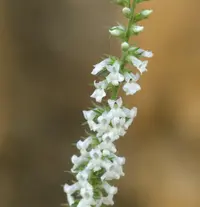
Insert low, discreet stakes or mesh supports early in the season before stems elongate so that tall flowering spikes stay upright and are not damaged by wind or heavy rain.

Deadhead in clusters

Remove spent flower clusters promptly by cutting back to a side shoot with healthy buds to extend the blooming period and reduce unnecessary seed formation.

Targeted slug management

Place low-profile slug traps or barriers around young plants in early spring, as tender new growth is especially vulnerable before stems become slightly woody.

Self-seeding control

If you do not want the plant to self-sow, shear back stems just after the main flush of flowers fades to prevent seed set while maintaining a tidy, compact clump when growing Anarrhinum duriminium.

Common Pests and Diseases

Aphids

This pest clusters on young shoots and flower stems, sucking sap and causing distortion, sticky honeydew, and reduced flowering.

Solution

Spray infested stems with a strong stream of water, then treat remaining colonies with insecticidal soap or a horticultural oil, repeating every 5–7 days until controlled; encouraging lady beetles and lacewings also helps long-term aphid management when growing Anarrhinum duriminium outdoors.

Leaf miners

These insects tunnel within the leaves, creating pale, winding trails that can lead to yellowing and premature leaf drop on stressed plants.

Solution

Remove and dispose of mined leaves promptly to reduce larvae numbers, then use a targeted spinosad-based spray on new growth according to label directions, focusing on the undersides of leaves and avoiding application during peak pollinator activity.

Botrytis blight

This disease causes soft, water-soaked spots on leaves, stems, and flower spikes that soon develop a gray, fuzzy mold, especially in cool, damp weather.

Solution

Cut off and discard all affected plant parts, improve air circulation by thinning crowded stems, avoid overhead watering, and, in persistent cases, apply a labeled ornamental fungicide during extended wet periods.

Powdery mildew

This disease appears as a white, powdery coating on leaves and stems, leading to leaf curling, yellowing, and reduced vigor in dense plantings.

Solution

Increase sunlight and airflow around the plants, water at the soil level in the morning, remove heavily infected foliage, and apply sulfur or potassium bicarbonate fungicides preventively when conditions are warm and dry but nights are cool.

Spider mites

This pest is favored by hot, dry conditions and causes fine stippling on leaves, bronzing, and delicate webbing between stems and foliage.

Solution

Rinse plants thoroughly with water, including the undersides of leaves, then maintain higher humidity around the plants and use insecticidal soap or a light horticultural oil on repeated intervals to disrupt mite populations.

Interesting Facts

Serra da Estrela specialist

This species is native to granitic cliffs and rocky slopes of the Serra da Estrela range in Portugal, where it grows in narrow crevices exposed to strong sun and wind.

Snapdragon family relative

It belongs to Plantaginaceae and is closely related to snapdragons (Antirrhinum), which explains its similar spurred, two-lipped flowers adapted to bee pollination.

Rock crevice root system

Its fine but persistent roots are adapted to penetrate tiny rock fissures, allowing the plant to anchor firmly and access limited moisture in shallow, fast-draining substrates.

FAQs about Anarrhinum duriminium

This species behaves as a short-lived perennial or biennial in mild climates, often flowering heavily in its second year. In colder regions it is frequently grown as an annual because winter frosts can kill plants.

Grow Healthy Plants with Botan Care

Keep your plants happy and healthy with plant identification, disease detection, and easy care guidance.

Botan plant care app — identify plants on mobile

Explore More Plants