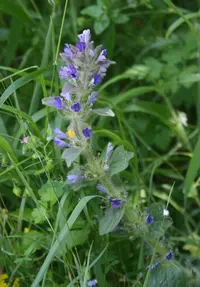
lesser snakeroot Care (Ageratina aromatica)

Also known as: smaller white snakeroot, smooth white snakeroot
lesser snakeroot

About lesser snakeroot

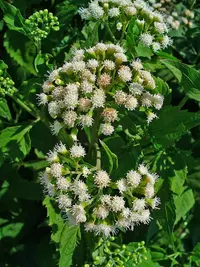
Lesser snakeroot (Ageratina aromatica) is a small, clumping perennial in the daisy family, valued for its late-season clusters of fluffy white flowers. It typically grows in loose colonies, with upright stems and aromatic foliage that releases a scent when brushed or crushed.

In nature it occurs in dry open woods, clearings, and rocky slopes in eastern North America. Once established, it is relatively low-maintenance, as long as soil drains well and conditions are not too wet.

Understanding how to care for lesser snakeroot starts with matching its preference for sun to light shade and moderately dry, lean soils, which helps keep plants compact and healthy.

Main Plant Requirements

Care Difficulty

Easy Care

Light Preference

Partial Sun

Water Requirements

Moderate Water

Temperature Preference

Cold Hardy

Hardiness Zone

4–9

Soil Texture

Sandy, Loamy, Organic-rich

Soil pH

Acidic (5.5–6.5), Slightly acidic (6.5–7.0)

Soil Drainage

Moist but well-drained

Fertilization

Minimal (feed rarely)

Get Personalized Care Plan

Scan your plant to receive care tips personalized for your specific plant

Available on iOS and Android

How to Care for the lesser snakeroot

Ageratina aromatica grows best in bright outdoor conditions with protection from intense afternoon sun.

  • Provide 4–6 hours of morning sun or light midday sun, with partial shade after 2–3 pm to prevent leaf scorch, especially in hotter regions.
  • Tolerates open bright shade or dappled woodland light, but flowering and compact growth decline if it receives less than about 3–4 hours of direct or very bright light.
  • In summer, monitor for pale, crispy leaf edges from excessive sun; in shade, stretched stems and sparse blooms signal the need to move lesser snakeroot to a brighter spot.

Ageratina aromatica prefers evenly moist, well-drained soil that neither dries out completely nor stays waterlogged.

  • Outdoors in average conditions, water deeply when the top 3–5 cm of soil feels dry, allowing water to soak 15–20 cm down, then drain fully.
  • Increase watering during hot, dry spells when leaves begin to droop slightly by late day, and reduce frequency in cool, rainy, or autumn periods.
  • Yellowing, soft stems and a sour soil smell indicate overwatering or poor drainage, while crispy leaf edges and slow growth suggest the plant has been kept too dry.

This species is a hardy perennial adapted to temperate outdoor climates.

  • Active growth is strongest around 65–80°F (18–27°C), with good performance in typical spring and summer conditions in many temperate gardens.
  • Plants usually tolerate down to about 0°F (−18°C) once established, dying back to the roots in winter and re-sprouting when soil warms in spring.
  • In heat above 90°F (32°C), flowering and foliage quality improve if soil is kept evenly moist and the site offers afternoon shade to reduce stress and wilting.

This species handles typical outdoor humidity but benefits from moderate moisture in the air.

  • Aim for 40–60% humidity, which is common in many temperate outdoor settings.
  • Plants tolerate short dry spells, but prolonged hot, very dry air can cause leaf edge browning and slowed growth.
  • Increase humidity slightly by mulching soil to reduce surface drying rather than misting leaves, which adds little lasting moisture.

This plant prefers loose, well-drained, moderately fertile soil.

  • Use a loamy mix with 40–60% garden soil, 20–30% compost, and 20–30% coarse sand or fine grit for structure and drainage.
  • Ageratina aromatica grows best in slightly acidic to neutral soil, roughly pH 6.0–7.0.
  • Improve aeration by incorporating coarse mineral material, not peat alone, which can compact over time.
  • Avoid heavy clay that holds water around the roots, and avoid pure sand that dries out extremely fast.

This species can be grown in containers if the pot supports its clumping and sometimes top-heavy growth.

  • Choose a wide, relatively deep pot so the fibrous root system can anchor the tall stems without tipping.
  • Use a heavier material such as clay or ceramic when placing containers in windy, exposed sites to improve stability.
  • Elevate the pot slightly on feet or bricks so drainage water clears the base quickly and does not re-soak the root zone.

This native perennial generally needs minimal feeding in average garden soil, so focus on modest support rather than heavy fertilization when caring for lesser snakeroot.

  • Apply a light layer of compost around the root zone in early spring to refresh nutrients and organic matter.
  • In poorer soils, use a balanced slow-release fertilizer (around 10-10-10) at half strength once in spring.
  • Avoid feeding in late fall and winter, when growth is dormant, to prevent soft, frost-tender growth.
  • Do not overapply nitrogen; excessive feeding leads to floppy stems and reduced flowering.

Thoughtful pruning helps keep Ageratina aromatica compact, healthy, and floriferous in garden settings.

  • Cut back dead or winter-damaged stems in early spring before new growth extends.
  • After flowering, shear spent flower heads to encourage a tidier shape and reduce self-seeding.
  • Remove crowded, weak, or crossing stems at the base to improve airflow and reduce disease risk.
  • Use clean, sharp hand pruners, making angled cuts just above a healthy bud or branching point.

This species is most often grown in the ground, so focus on careful transplanting rather than frequent repotting.

  • Transplant in early spring or early fall when temperatures are mild and soil is workable.
  • Move clumps that show congestion, decline, or poor flowering, spacing them to allow airflow and future spread.
  • If container-grown, shift to a slightly larger pot only when roots circle the container or growth slows noticeably.
  • Water thoroughly before and after moving, keep roots shaded and moist during the process, and avoid disturbing the root ball more than necessary.

Ageratina aromatica is commonly multiplied by division, cuttings, and seed under suitable conditions.

  • Divide established clumps in early spring or early fall, replanting sections at the same depth in moist, well-drained soil.
  • Take softwood cuttings in late spring to early summer, using 8–10 cm shoots placed in a light, moist rooting mix.
  • Provide bright, indirect light, high humidity, and stable warmth (65–75°F) for best rooting success.
  • Sow fresh seeds on the surface of a sterile mix, keep evenly moist, and maintain gentle warmth until germination.

This hardy perennial usually overwinters well in its suitable USDA zones, needing only light attention.

  • Tolerates normal frost once established, with top growth dying back and roots surviving below soil level.
  • Apply a 5–7 cm layer of mulch after the ground cools to insulate the root zone, keeping mulch off the stems.
  • For container plants in colder regions, move pots to a sheltered, unheated but frost-moderated location.

Care Tips

Autumn Division Timing

Divide established clumps in early autumn, when top growth begins to decline but soil is still warm, to create new plants with minimal transplant shock and better establishment before winter.

Pinch For Bushiness

Pinch back the soft stem tips once in late spring when plants reach 15–20 cm to encourage shorter, sturdier growth and more flowering stems instead of tall, floppy shoots.

Support In Exposed Sites

In windy or exposed locations, place low hoop supports or discreet stakes around the clump in late spring so stems can grow through and remain upright without snapping in summer storms.

Monitor Rhizome Spread

Check the root zone every 2–3 years and use a spade to cut back encroaching rhizomes at the clump edge if the plant starts to crowd slower neighbors or spread into paths.

Leaf Litter Mulch

After the first hard frost, leave a thin layer of shredded leaves around but not directly on the crown to insulate roots, then pull it back slightly in early spring to avoid excessive moisture at the base when caring for lesser snakeroot.

Common Pests and Diseases

Powdery mildew

This disease appears as a white, powdery film on upper leaf surfaces, often during warm days and cool, humid nights in late summer and fall. Symptoms include distorted new growth and premature leaf drop, especially in dense clumps of lesser snakeroot.

Solution

Thin crowded stems to increase airflow, avoid overhead watering, and remove heavily infected leaves to reduce spore spread. For recurring issues, use a labeled sulfur or potassium bicarbonate fungicide on dry foliage, applying at the first sign of powdery patches and repeating as directed during high-risk periods as part of broader Ageratina aromatica care.

Leaf spot

This disease causes tan to dark brown circular or irregular spots on leaves, sometimes with yellow halos, which can merge and lead to partial defoliation. Symptoms include more severe spotting in wet seasons or in sites with poor air movement.

Solution

Remove and discard spotted leaves and fall leaf litter to limit pathogen carryover, and water at soil level to keep foliage dry. In persistent cases, improve spacing between plants and consider a copper-based fungicide applied early in the season if leaf spots appear each year.

Aster leafhopper

These insects are small, wedge-shaped, fast-moving sap feeders that can introduce aster yellows phytoplasma into Ageratina aromatica. Symptoms include yellowing, stunted or bushy growth, and deformed flower clusters that fail to set normal seed.

Solution

Monitor for leafhoppers from late spring using yellow sticky cards and visual checks, and remove any clearly distorted, yellow, or witches-broom-like shoots promptly to reduce disease spread. In high-pressure areas, use row covers on young plants or targeted insecticidal soap or pyrethrin sprays directed to the undersides of leaves, focusing on early-season populations before flowering.

Rust

This disease produces small orange to brown pustules on the undersides of leaves, sometimes with pale or yellow spots on the upper surface. Symptoms include early leaf yellowing and shedding on heavily infected stems, especially in moist, shaded plantings.

Solution

Cut back and remove infected stems and fallen leaves to break the rust life cycle, and space plants so foliage dries quickly after rain. In gardens with yearly rust problems, choose sunnier, better-ventilated sites and apply a labeled rust-active fungicide early when the first pustules appear, repeating according to label directions.

Interesting Facts

Late-season pollinator magnet

This species flowers in late summer to fall and produces many small white florets that are heavily visited by native bees, flies, and butterflies when few other nectar sources remain.

Specialist moth association

Caterpillars of the gracillariid moth Marmara ageratinae feed specifically on Ageratina aromatica, using the plant as a host for part of their life cycle.

Allegheny endemic range

The species is naturally restricted to dry, open woodlands and rocky slopes mainly in the Appalachian and Piedmont regions of the eastern United States, especially around the Allegheny Mountains.

FAQs about lesser snakeroot

This species spreads slowly by short rhizomes and self-seeding but is not usually aggressive in typical garden conditions. In rich, undisturbed soil it can form loose colonies, which are easily controlled by dividing or lifting seedlings.

Grow Healthy Plants with Botan Care

Keep your plants happy and healthy with plant identification, disease detection, and easy care guidance.


Botan plant care app — identify plants on mobile

Explore More Plants