Haast's Carrot Care (Anisotome haastii)

Haast's Carrot

About Haast's Carrot

Haast's carrot, Anisotome haastii, is a compact, rosette-forming perennial from the high alpine zones of New Zealand’s South Island. It belongs to the carrot family but has a low, cushion-like habit rather than a tall taproot form.

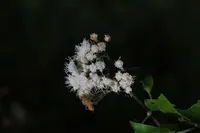
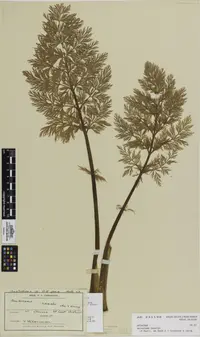
Its finely divided, often leathery leaves sit close to the ground, and it produces umbrella-shaped clusters of small white to pale pink flowers on short stems. This growth form helps it tolerate strong winds, cold temperatures, and poor, rocky soils.

Because it is adapted to harsh alpine conditions, it can be challenging outside cool, well-drained, and open sites. Gardeners who want to learn how to care for Haast's Carrot often focus on providing cool roots, good drainage, and consistent moisture without waterlogging.

Main Plant Requirements

Care Difficulty

Hard Care

Light Preference

Full Sun

Water Requirements

Regular Water

Temperature Preference

Cold Hardy

Hardiness Zone

4–7

Soil Texture

Loamy, Rocky, Organic-rich

Soil pH

Acidic (5.5–6.5), Slightly acidic (6.5–7.0)

Soil Drainage

Moist but well-drained

Fertilization

Minimal (feed rarely)

Get Personalized Care Plan

Scan your plant to receive care tips personalized for your specific plant

Available on iOS and Android

How to Care for the Haast's Carrot

This alpine species prefers bright, cool conditions that mimic open mountain habitats.

  • Provide 4–6 hours of morning sun with light afternoon shade; in hotter regions, use filtered light under high shrubs or shade cloth after 1–2 p.m.
  • Tolerates light to partial shade, but dense shade reduces compact growth and flowering in Haast's Carrot.
  • In summer, protect from intense afternoon sun to prevent leaf scorch; in winter, ensure at least 3–4 hours of direct or bright sun to maintain vigor.

This plant prefers consistently moist but not waterlogged soil, especially in its main growing season.

  • Water when the top 2–3 cm of soil feel just dry, then soak thoroughly so moisture reaches the root zone, allowing excess to drain away.
  • During active spring–summer growth, monitor after warm, dry, or windy spells; in cooler or rainy periods, extend the interval and rely more on natural rainfall.
  • Signs of overwatering include yellowing, limp foliage and sour-smelling soil; dry, curling leaves and slow growth in Anisotome haastii suggest underwatering or overly fast-draining soil.

This high-altitude perennial prefers cool conditions and dislikes prolonged heat.

  • Ideal growing temperatures are 50–68°F (10–20°C), with steady cool days and cooler nights supporting dense, healthy foliage.
  • Hardy to about 15–20°F (-9 to -6°C) once established; short frosts are tolerated, but prolonged freezes without snow cover can damage crowns.
  • Above 77°F (25°C), growth often slows; provide extra shade and soil moisture in heat waves, and avoid planting in heat-trapping spots such as against south-facing walls.

This alpine species tolerates a wide humidity range and usually does not need special humidity management in cultivation.

  • Aim for 30–60% relative humidity, similar to typical indoor and outdoor conditions in temperate regions.
  • Leaves generally cope with short dry-air spells, provided soil moisture is kept consistent and the root zone does not dry completely.
  • Crisping leaf edges or stalled growth usually relate more to underwatering or heat than to low humidity, so adjust watering and temperature first.

This species prefers cool, moist, sharply drained, gritty soil that mimics alpine scree or rocky slopes.

  • Use a very free-draining mix such as 40% fine pine bark, 30% coarse sand or grit, and 30% loam-based compost to support the deep root system of Anisotome haastii.
  • Ensure water drains within seconds by testing with a small pour; if water sits on the surface, increase coarse sand or grit content.
  • Aim for slightly acidic to neutral pH around 6.0–7.0, avoiding strongly alkaline mixes that can limit nutrient availability.
  • Avoid heavy clay, compacted beds, and spots where winter water collects, since sustained saturation promotes root and crown rot.

This species can be grown in containers if deep, very free-draining pots are used to protect its alpine-type roots.

  • Choose a tall, heavy container to give the long taproot space while adding weight that reduces tipping in strong wind.
  • Line the bottom with a coarse grit layer above the drainage holes to prevent mix washout while keeping the outflow fast.
  • Place the pot on feet or spacers so water clears quickly from the base, which helps keep the crown dry after rain.

This alpine species grows in lean soils and usually needs only modest feeding in cultivation.

  • Use a light application of balanced slow-release fertilizer (for example 10-10-10) in early spring as growth starts.
  • Supplement with a thin layer of well-rotted compost around, not over, the crown once per year.
  • During the main growing season, apply liquid fertilizer at 1/4–1/2 strength every 4–6 weeks if growth seems weak.
  • Stop feeding Haast's Carrot in late summer and avoid fertilizing in winter dormancy.

Pruning needs for Anisotome haastii are minimal and mainly hygienic.

  • Carry out light pruning in late winter or early spring before strong new growth.
  • Use clean, sharp scissors or hand pruners to remove dead, damaged, or diseased leaves and flower stalks.
  • Thin out crowded, shading foliage to improve air circulation and reduce fungal issues.
  • Avoid heavy cutting into the crown, which can weaken the plant and distort its natural form.

This plant is better suited to rock gardens and beds than to frequent container repotting.

  • Transplant young plants in early spring or early autumn when temperatures are mild.
  • Look for signs such as roots circling the pot, water running straight through, or noticeably stalled growth before moving it.
  • Shift to a slightly larger, deep container or well-drained outdoor site with gritty, low-nutrient soil.
  • Handle the taproot gently, disturb roots as little as possible, water thoroughly, then keep evenly moist until re-established.

Anisotome haastii is usually propagated from seed, with some growers also using careful division of established clumps.

  • Sow fresh seed in late summer to autumn in a free-draining, gritty seed mix.
  • Provide cool conditions with light exposure; natural cold stratification over winter often improves germination.
  • Keep the mix just moist, not wet, and allow germination to occur slowly in spring.
  • For division, split only healthy, multi-crowned plants in early spring, keeping generous root attached to each piece.

This alpine species is cold hardy but benefits from some winter management in garden settings.

  • Tolerates frost and light snow when planted in very well-drained soil or a raised rock garden.
  • Apply a thin, gritty mulch around the root zone in late autumn to limit freeze–thaw heaving.
  • Keep crowns free of heavy, wet mulch or pooling water to prevent rot in prolonged cold.
  • For container plants, move pots to a cold, sheltered spot to avoid waterlogging during freezes.

Care Tips

Rocky root zone

Plant into a gritty, rock-filled pocket or add large gravel around the crown to mimic its alpine scree habitat and prevent the root neck from staying wet after rain or snowmelt.

Snow and frost management

In very cold, exposed gardens, allow natural snow cover to insulate the rosette but brush off heavy, icy crusts that could snap leaf bases or trap moisture against the crown.

Summer heat buffering

In lowland gardens, place the plant where it gets afternoon shade from a rock, boulder, or larger perennial to keep the root zone cooler and reduce summer heat stress.

Wind exposure control

Site the plant in a position with steady airflow but shield it from extreme, drying winds using rocks or low edging so the foliage does not tear and desiccate.

Seed collection timing

If you want to grow Anisotome haastii from seed, collect the umbels when seeds turn dry and straw-colored, then sow them fresh in a cool, free-draining mix to improve germination reliability.

Common Pests and Diseases

Aphids

This pest often clusters on the soft new growth and flower stems, sucking sap and causing distortion and sticky honeydew on foliage. Symptoms include curling foliage, stunted new leaves, and sooty mold growing on the sugary deposits.

Solution

Remove heavily infested shoot tips and gently hose the plant with a firm stream of water to dislodge insects. For ongoing control, spray with a ready-to-use insecticidal soap or neem oil, repeating every 7–10 days until populations drop, and avoid excessive nitrogen fertiliser that encourages very soft, aphid-prone growth when trying to grow Anisotome haastii in gardens or containers.

Slugs and snails

These pests commonly graze at night on the fleshy leaf blades and young crowns, leaving irregular holes and ragged edges. Symptoms include shredded foliage, slime trails, and damage concentrated on low, moist parts of the plant in cool conditions.

Solution

Hand-pick slugs and snails in the evening, use beer traps or rough barriers (such as sharp gravel) around the crown, and keep dense debris away from the base of plants. Where pressure is high, apply iron phosphate slug pellets sparingly around but not directly on the crown, and maintain good air movement to keep the site slightly drier at the surface.

Crown rot

This disease develops in poorly drained or overly warm, wet conditions, causing the central rosette to soften, yellow, and collapse. Symptoms include a foul smell, browning at the base of leaves, and rapid dieback of the central growing point.

Solution

Immediately cut away affected, mushy tissue and improve drainage by raising the plant or amending the soil with coarse grit. Avoid overhead watering, keep the crown just above the soil line, and in very wet climates grow plants in sharply drained rock garden beds or containers to keep the crown dry, discarding any plants with advanced rot to protect nearby specimens.

Leaf spot

This disease appears as small brown or dark purple spots on older leaves, sometimes merging into larger patches under cool, damp conditions. Symptoms include cosmetic speckling, premature yellowing, and early death of lower foliage, especially in crowded clumps with poor airflow.

Solution

Remove and discard affected leaves to reduce the source of infection and avoid wetting foliage when watering. Improve spacing and airflow, and if spots continue to spread in wet seasons, use a copper-based or other labeled ornamental fungicide applied according to directions, focusing on early treatment when first spots appear.

Interesting Facts

High-alpine specialist

This species naturally occurs on windswept alpine screes and rocky slopes in New Zealand’s South Island, tolerating intense UV, strong winds, and frequent freezing conditions close to or below 0°C for much of the year.

Cushion-forming growth

It forms tight, low, dome-shaped cushions of finely divided foliage, an adaptation that reduces heat loss, limits wind damage, and traps small pockets of warmer air close to the plant surface.

Umbel flowers for insects

The plant produces flat-topped white umbels typical of the carrot family, which provide easy landing platforms and accessible nectar for a broad range of high-altitude pollinating insects.

Botan icon

Did you know?

This species is endemic to New Zealand’s Southern Alps, meaning it occurs naturally nowhere else on Earth and is closely tied to that specific mountain environment and its geological history.

FAQs about Haast's Carrot

This alpine umbellifer produces nectar-rich flower umbels that attract a range of native bees, flies, and some small butterflies. It is valuable in cool rock or scree gardens for supporting local pollinator diversity over summer.

Grow Healthy Plants with Botan Care

Keep your plants happy and healthy with plant identification, disease detection, and easy care guidance.

Botan plant care app — identify plants on mobile

Explore More Plants