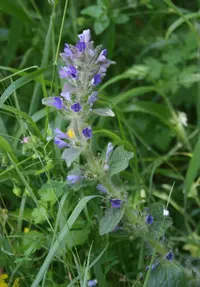
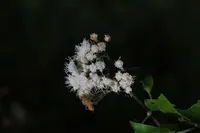
Obtuse-leaved Rock-jasmine Care (Androsace obtusifolia)

Obtuse-leaved Rock-jasmine

About Obtuse-leaved Rock-jasmine

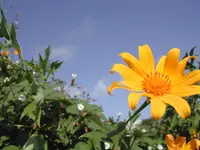
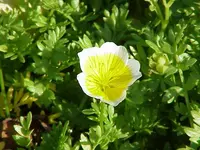
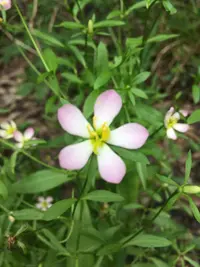
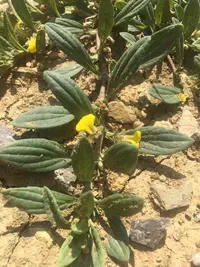
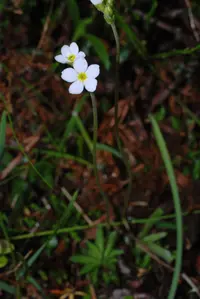
Obtuse-leaved rock-jasmine, Androsace obtusifolia, is a compact alpine perennial from mountain regions of Europe and parts of Asia. It typically grows in tight cushions or low mats close to the ground. Small, rounded leaves form dense rosettes, often with a slightly hairy surface that helps reduce moisture loss in exposed sites. In season, it produces delicate white to pale pink flowers on short stems, giving a soft, carpeting effect among rocks or in crevices. This species naturally occurs on rocky slopes and alpine grasslands, so it prefers cool conditions, good light, and sharply drained, gritty soil. Due to its alpine nature, it can be slightly challenging, so learning how to care for Obtuse-leaved Rock-jasmine improves long-term success.

Main Plant Requirements

Care Difficulty

Hard Care

Light Preference

Full Sun

Water Requirements

Low Water

Temperature Preference

Cold Hardy

Hardiness Zone

3–7

Soil Texture

Sandy, Rocky, Loamy

Soil pH

Acidic (5.5–6.5), Slightly acidic (6.5–7.0)

Soil Drainage

Well-drained

Fertilization

Minimal (feed rarely)

Get Personalized Care Plan

Scan your plant to receive care tips personalized for your specific plant

Available on iOS and Android

How to Care for the Obtuse-leaved Rock-jasmine

This alpine species prefers bright, cool conditions similar to open, high-mountain habitats.

  • Provide 4–6 hours of direct morning sun with light afternoon shade; east or northeast aspects suit Obtuse-leaved Rock-jasmine best in lowland gardens.
  • Tolerates light dappled shade, but dense shade leads to weak, open growth and fewer flowers over time.
  • In hot summers, protect from intense midday sun to prevent leaf scorch and rapid drying, especially on rock walls or raised screes.

This plant prefers evenly moist but sharply drained conditions, especially during active growth.

  • Water when the top 2–3 cm of soil feel dry, allowing moisture to soak through but drain quickly from the root zone.
  • Use gritty, free-draining soil or rock garden planting to prevent standing water; roots are prone to rot if soil stays wet.
  • Reduce watering in cool autumn and winter, watching for flagging, dull foliage as a sign of underwatering and yellowing, mushy leaves as a sign of excess moisture.

This alpine perennial is cold-tolerant but dislikes sustained high heat combined with humidity.

  • Optimal growth occurs around 45–65°F (7–18°C), typical of cool spring and early summer in many temperate regions.
  • Mature plants tolerate brief drops to about 5°F (-15°C) with snow cover, but repeated freeze–thaw without insulation can damage crowns.
  • Prolonged heat above 80°F (27°C), especially with warm nights, stresses plants; provide afternoon shade and excellent airflow during hot spells.

This alpine species prefers quite dry air and usually does not need humidity adjustment indoors or outdoors.

  • Aim for 30–50% humidity, similar to average indoor air in heated homes.
  • Plant Obtuse-leaved Rock-jasmine where air moves freely, avoiding enclosed, constantly damp spots that encourage rot.
  • Watch for limp, yellowing crowns or fuzzy stem rot, which indicate excess humidity combined with poor air movement.

This plant needs sharply drained, gritty soil that mimics rocky alpine slopes.

  • Use a mineral-rich mix such as 40% coarse sand, 40% fine grit or small gravel, and 20% lean compost or loam to support Androsace obtusifolia.
  • Ensure very fast drainage; water must pass through in seconds and not leave the mix waterlogged.
  • Keep pH slightly acidic to neutral, around 6.0–7.0, avoiding strongly alkaline or salty substrates.
  • Avoid heavy clay, peat-heavy mixes, and fine organic potting composts that compact and suffocate roots; add extra grit to improve aeration.

This species can be grown in containers if the pot and mix are chosen to keep the roots cool and very well drained.

  • Select a shallow, wide container to spread the root system horizontally while preventing deep, wet zones in the mix.
  • Use a thick top dressing of fine gravel to keep the crown dry and reduce surface evaporation fluctuations.
  • Choose unglazed clay or terracotta to let excess moisture evaporate more quickly and stabilize the gritty mix.

This alpine species is adapted to low-nutrient conditions, so Obtuse-leaved Rock-jasmine needs only very light feeding in cultivation.

  • Use a low-dose balanced NPK fertilizer or weak liquid feed at 1/4 strength during active growth in spring–early summer.
  • Apply no more than every 4–6 weeks, and skip feeding if growth already looks compact and healthy.
  • Avoid fertilizing in fall and winter dormancy to prevent soft, frost-sensitive growth and root stress.

Pruning needs for Androsace obtusifolia are minimal, mainly to keep the cushion tidy and healthy.

  • Best time is after main flowering in late spring–early summer, once spent blooms fade.
  • Gently pinch or trim off dead flower stems and any yellowed or damaged foliage.
  • Remove sparse, leggy tufts to maintain a dense cushion form and encourage new shoots.
  • Use small, sharp scissors or snips and avoid cutting into the woody crown to reduce rot risk.

This alpine cushion is usually grown in rock gardens or troughs and dislikes frequent disturbance.

  • Transplant or repot only when roots circle the container, growth stalls, or the plant outgrows its pocket in the rock garden.
  • Choose early spring or cool late summer so roots re-establish before heat or hard frost.
  • Typical intervals are 3–4 years; move the entire root ball with as much surrounding soil as possible.
  • Replant into a gritty, sharply drained mix, water once to settle, then keep slightly moist and shaded for 7–10 days to limit stress.

Androsace obtusifolia is most often propagated by seed, with some growers also dividing established cushions with care.

  • Sow fresh seed in late summer–fall in gritty, well-drained mix; natural cold stratification over winter improves germination.
  • Keep seed pots outdoors, exposed to freeze–thaw, but sheltered from heavy rain and standing water.
  • Divide larger, healthy clumps in early spring, keeping small sections with intact roots and crown.
  • Replant divisions immediately, firm gently, and maintain cool, lightly moist conditions until established.

This alpine is cold hardy in many temperate climates and usually needs only modest winter care outdoors.

  • Tolerates frost and snow when planted in sharply drained soil that prevents waterlogging around the crown.
  • In very wet winters, add a light gravel or grit mulch to keep the crown dry and reduce rot risk.
  • Container plants benefit from a sheltered, unheated spot and slightly reduced watering through winter.

Care Tips

Rock crevice planting

Tuck plants into narrow rock crevices or between stable stones so the roots stay cool and protected while the crown remains exposed and well ventilated, which closely mimics their alpine habitat.

Winter moisture control

In wet winter climates, provide a low, clear rain shield or plant on a sharply sloped rock face so excess water sheds away from the crown and reduces the risk of rot during dormancy.

Grit top-dressing

Apply a 0.5–1 in layer of sharp grit or fine gravel around the crown to keep foliage off wet soil, stabilize the root zone, and discourage moss and algae from smothering the rosette.

Alpine trough use

Grow plants in a stone or hypertufa alpine trough with a deep, gritty substrate and excellent side drainage to give precise control over water and root conditions when growing Obtuse-leaved Rock-jasmine.

Summer heat buffering

In hotter regions, position plants where afternoon sun is filtered by a boulder, low wall, or taller alpine plants, which buffers short heat spikes without creating dense, airless shade.

Common Pests and Diseases

Crown rot

This disease affects the tight rosettes, where trapped moisture around the crown leads to soft, brown, collapsing tissue. Symptoms include a mushy base, yellowing leaves, and rapid plant decline, especially after wet or warm spells.

Solution

Remove and discard affected plants immediately, along with surrounding soil grit, and avoid overhead watering. Replant only in very sharp-draining, gritty substrate, raise the crown slightly above soil level, and improve air circulation and surface drainage to prevent recurrence, which is central to effective Androsace obtusifolia care instructions.

Powdery mildew

This disease appears as a white or gray powdery coating on leaves and rosettes, often starting in sheltered, humid sites. Symptoms include distorted growth, dull foliage, and reduced flowering.

Solution

Remove the worst-affected leaves to reduce inoculum, increase airflow around the cushion, and avoid overhead watering in the evening. In persistent cases, apply a sulfur-based or potassium bicarbonate fungicide labeled for ornamentals, following label directions carefully.

Aphids

These insects feed on young shoots and flower stems, causing distortion, sticky honeydew, and sometimes sooty mold on nearby surfaces. This pest can weaken small alpine cushions, especially in sheltered rock crevices.

Solution

Wash colonies off gently with a directed stream of water, taking care not to dislodge the plant, and pinch off heavily infested flowering stems. For recurring infestations, use insecticidal soap or a light horticultural oil, applied in cool weather and repeated as needed according to the product label.

Spider mites

This pest thrives in hot, dry conditions and feeds on the undersides of leaves, causing fine stippling, dull foliage, and sometimes delicate webbing within the rosette. Symptoms include slow decline and a dusty, tired appearance of the cushion.

Solution

Increase ambient humidity around, but not directly on, the foliage and rinse plants gently to knock mites off, avoiding waterlogged soil. Use insecticidal soap or a miticide labeled for spider mites, treating the undersides of leaves and repeating applications to catch new hatchlings.

Gray mold (Botrytis)

This disease causes soft, water-soaked spots on leaves and flower stems that quickly develop fuzzy gray mold, particularly in cool, damp, and poorly ventilated conditions. Symptoms include blighted buds and collapse of affected rosettes or sections of the cushion.

Solution

Cut out and dispose of all affected tissue promptly, avoiding contact with healthy parts, and thin surrounding vegetation or stones to increase airflow. Reduce surface moisture by watering at the base in the morning, and in severe or recurrent cases apply a labeled ornamental fungicide targeting Botrytis, following safety and timing instructions.

Interesting Facts

Cushion-forming alpine

This species naturally forms tight, dome-shaped cushions close to the ground, an adaptation that reduces heat loss and protects tissues from strong mountain winds and cold in its native European alpine habitats.

Snowmelt specialist

It often grows in rocky crevices and short turf near late-lying snowbeds, taking advantage of the brief, moist period just after snowmelt for flowering and seed production.

Fine-haired leaves

The small, obtuse leaves are covered with fine hairs that reduce water loss and shield the leaf surface from intense high-elevation sunlight and rapid temperature changes.

FAQs about Obtuse-leaved Rock-jasmine

This alpine species mainly attracts small solitary bees, hoverflies, and some tiny butterflies or moths that can handle cool, windy conditions. Flowers provide early-season nectar and pollen, so avoid pesticides during bloom to protect visiting insects.

Grow Healthy Plants with Botan Care

Keep your plants happy and healthy with plant identification, disease detection, and easy care guidance.

Botan plant care app — identify plants on mobile

Explore More Plants