Pinch For Bushiness
Lightly pinch back soft stem tips once or twice in early spring to encourage a denser, more compact mound with more flowering side shoots when growing Ageratina glabrata.

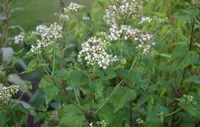
Ageratina glabrata is a perennial flowering plant in the daisy family, usually forming bushy clumps with many small, fluffy white flower heads. It typically grows in upland or mountainous regions of Mexico and Central America, often along forest edges, roadsides, and open slopes.
The plant has a moderately fast growth habit and can spread where conditions suit it, so it may need some space and light management. It generally prefers bright light, moderate moisture, and well-drained soil, which makes it manageable for gardeners who want to learn how to care for Ageratina glabrata.

Care Difficulty
Moderate Care

Light Preference
Partial Shade

Water Requirements
Moderate Water

Temperature Preference
Warm Climate

Hardiness Zone
9–11

Soil Texture
Loamy, Silty, Organic-rich

Soil pH
Acidic (5.5–6.5), Slightly acidic (6.5–7.0)

Soil Drainage
Moist but well-drained

Fertilization
Minimal (feed rarely)
Scan your plant to receive care tips personalized for your specific plant
Available on iOS and Android
This species prefers bright, gentle light rather than intense, all-day sun.
This plant values steady soil moisture but reacts poorly to waterlogged conditions.
This species performs best in mild, frost-free climates with moderate temperatures.
This species grows best with moderate ambient humidity, especially in warm conditions.
This plant prefers moist, well-aerated, organically enriched soil that drains freely.
This species is suitable for container growing where its moisture and spread can be controlled.
This plant usually manages in average garden soil, but light feeding can support fuller growth in lean conditions.
Thoughtful pruning helps maintain shape, encourage branching, and sustain flowering.
This species is more often grown in the ground, where transplanting matters more than container repotting.
New plants are commonly produced by stem cuttings, division, or seeds, depending on the grower’s needs.
In mild climates this plant usually needs only basic winter attention, but frost can damage top growth.

Plant Health Check
Not sure what's wrong with your plant? Check your plant's health inside the app.
This species is naturally restricted to moist montane forests and cloud forest edges in Mexico and Central America, where it grows in cool, humid, high‑light clearings and along trails and roadsides.
The white flower clusters are an important nectar source for butterflies and other pollinating insects in its native range, supporting local pollinator networks over extended blooming periods.
Ageratina glabrata spreads laterally from its root system, forming loose clonal patches that allow it to quickly occupy disturbed, open sites without relying only on seed production.
This species spreads by seed and short rhizomes, forming loose clumps rather than dense mats. In most gardens it is not strongly aggressive but can naturalize over time if soil and moisture are favorable.
Keep your plants happy and healthy with plant identification, disease detection, and easy care guidance.