Mark Dormant Clumps
Label bulb locations with durable markers when foliage dies back so you avoid accidental digging or overplanting in summer when the plant is completely dormant.

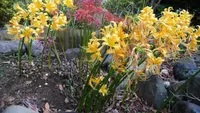
Golden spider-lily (Lycoris aurea) is a bulb-forming perennial known for its tall, leafless stalks topped with golden, spidery flowers. It typically blooms late in the season, often after the foliage has died back, which gives it a surprising and dramatic look in borders or mixed plantings.
This species is native to parts of East Asia and thrives in regions with warm summers and mild winters. It prefers well-drained soil and moderate moisture, and it resents waterlogged conditions.
Overall, it is a relatively low-maintenance bulb once established, but it dislikes frequent disturbance and may take time to settle before flowering well. Gardeners who learn how to care for Golden Spider-lily usually find it a reliable late-season highlight.

Care Difficulty
Moderate Care

Light Preference
Full Sun

Water Requirements
Moderate Water

Temperature Preference
Warm Climate

Hardiness Zone
8–10

Soil Texture
Sandy, Loamy, Organic-rich

Soil pH
Acidic (5.5–6.5), Slightly acidic (6.5–7.0)

Soil Drainage
Well-drained

Fertilization
Minimal (feed rarely)
Scan your plant to receive care tips personalized for your specific plant
Available on iOS and Android
Lycoris aurea grows best with bright, direct sun in the cool part of the day and some protection from harsh heat.
Lycoris aurea prefers a clear wet-dry rhythm, with moist soil in active growth and much drier conditions when dormant.
This bulb thrives in warm, mild climates and dislikes hard freezes or intense, prolonged heat.
This bulb tolerates a wide humidity range and rarely needs special humidity management.
Lycoris aurea grows best in loose, well-drained soil that stays slightly moist in season but never waterlogged.
This species is suitable for container growing when drainage and bulb depth are carefully managed.
Golden Spider-lily benefits from light, targeted feeding rather than heavy fertilization.
Lycoris aurea needs only minimal pruning focused on cleanliness and bulb health.
Lycoris aurea is usually left undisturbed, but occasional lifting and transplanting maintains vigor in crowded clumps.
This species is most reliably propagated by bulb division rather than from seed.
Lycoris aurea prefers mild winters and benefits from basic protection in colder climates.

Plant Health Check
Not sure what's wrong with your plant? Check your plant's health inside the app.
This species typically sends up its golden flower stalks in late summer to autumn after the leaves have died back, a growth pattern called hysteranthy where flowers appear before the foliage.
The bulbs contain alkaloids such as lycorine that are toxic if ingested, which likely helps protect the plant from herbivores and soil-dwelling pests.
Lycoris aurea has been used in breeding programs to introduce yellow coloration and stronger scapes into ornamental Lycoris hybrids.

In parts of East Asia, dense plantings of this species have been traditionally used around graveyards and field edges, since its toxic bulbs were believed to deter burrowing pests and help protect stored crops and burial sites from disturbance.
Lack of flowers often comes from bulbs planted too deep, insufficient summer rest, or poor light. Crowded clumps also bloom less. Allow a dry dormancy, avoid disturbing bulbs, and divide only when flowering declines noticeably.
Keep your plants happy and healthy with plant identification, disease detection, and easy care guidance.