


Rotate containers
Turn pots or baskets 90° every 7–10 days so flower-heavy stems develop evenly and do not lean or snap toward the strongest light source.


Tuberous begonia (Begonia × tuberhybrida) is a hybrid flowering plant grown mainly for its large, colorful blooms and decorative foliage. It is usually treated as a tender perennial or annual in gardens and containers.
Plants grow from swollen underground tubers and form compact or gently trailing mounds, with fleshy stems and soft leaves. Flowers may be single or double and can resemble small roses or camellias.
The original wild species come from moist, shaded habitats in South America, and this background guides how to care for Tuberous Begonia. It prefers bright but indirect light, consistently lightly moist soil, and good air movement, and it can be sensitive to overwatering and strong sun.

Care Difficulty
Moderate Care

Light Preference
Partial Shade

Water Requirements
Keep Soil Moist

Temperature Preference
Tropical / Frost Sensitive

Hardiness Zone
9–11

Soil Texture
Loamy, Peaty, Organic-rich

Soil pH
Acidic (5.5–6.5), Slightly acidic (6.5–7.0)

Soil Drainage
Moist but well-drained

Fertilization
Moderate (every 2–4 weeks)
Scan your plant to receive care tips personalized for your specific plant
Available on iOS and Android
This hybrid begonia prefers bright but gentle light to flower well without leaf scorch.
Soil should stay lightly moist but never waterlogged for healthy roots and tubers.
This plant grows best in mild, frost-free conditions with stable temperatures.
This species prefers moderate to high humidity and reacts quickly to very dry air.
Begonia × tuberhybrida needs loose, airy, fast-draining soil that still holds consistent moisture.
This species is well suited to container growing for patios, balconies, and shaded entrances.
Balanced feeding supports strong growth and abundant blooms in Tuberous Begonia.
Thoughtful pruning keeps Begonia × tuberhybrida compact, tidy, and flowering well.
Container-grown plants benefit from occasional repotting into fresh, well-drained mix.
New plants are commonly produced from cuttings or tuber division.
Cold management is essential because Begonia × tuberhybrida is not frost hardy.

Plant Health Check
Not sure what's wrong with your plant? Check your plant's health inside the app.
Begonia × tuberhybrida is a complex hybrid group derived mainly from Andean species such as Begonia boliviensis and Begonia veitchii, first systematically bred in Europe in the 19th century for showy, large flowers and compact growth.
Unlike many other begonias with fibrous or rhizomatous roots, this group forms a true underground tuber that stores starch and water, allowing the plant to survive a pronounced dormant period when stems and leaves die back.
Cultivars show a wide range of flower forms, including single, semi-double, and fully double blooms, and are available in many colors except a true blue, making them one of the most morphologically diverse ornamental begonias in cultivation.

Modern Tuberous Begonia hybrids played a key role in early ornamental plant breeding, and by the early 20th century plant breeders were already using controlled crosses and selection over many generations to fix traits such as pendulous stems for hanging baskets and strongly ruffled petals, long before many of these techniques were applied to other common bedding plants.
Lack of flowering often relates to insufficient light, nutrient imbalance, or spent tubers. Old or exhausted tubers can flower poorly. Removing faded blooms, feeding lightly during active growth, and replacing weak tubers usually restores performance over seasons.
Keep your plants happy and healthy with plant identification, disease detection, and easy care guidance.

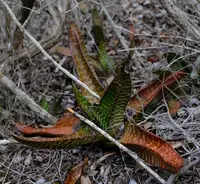
Bredasdorp Gasteria
Gasteria carinata var. carinata
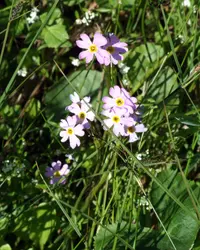
Siberian primrose
Primula nutans
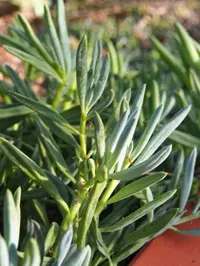
blue chalksticks
Curio repens
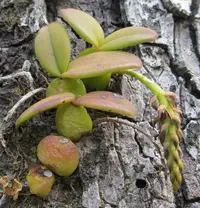
Bulbophyllum elliotii
Bulbophyllum elliotii
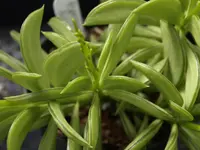
Prayer Pepper
Peperomia dolabriformis
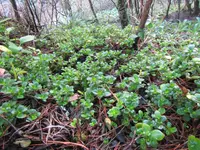
Peperomia urvilleana
Peperomia urvilleana
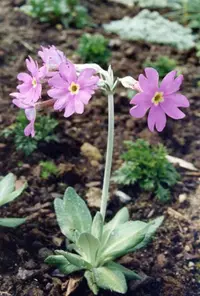
Long-flowered Primrose
Primula halleri
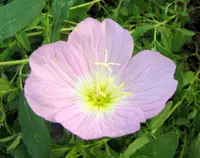
pink evening primrose
Oenothera speciosa