Pink lady's slipper Care (Cypripedium acaule)

Also known as: moccasin flower, pink ladyslipper, scrotum flower, scrotum plant, pink testicle plant, scrotum orchid
Pink lady's slipper

About Pink lady's slipper

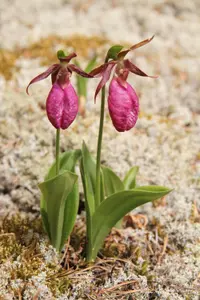
Pink lady's slipper, Cypripedium acaule, is a hardy terrestrial orchid native to cool, acidic forests in eastern North America. It grows from underground rhizomes and forms a pair of broad, basal leaves.

A single pink, pouch-shaped flower rises on a short stem in spring, giving the plant its slipper-like look. It relies on specific soil fungi for nutrient uptake, which makes it sensitive to disturbance and slow to establish.

Because of its strict need for acidic, well-drained yet evenly moist soil and partial shade, it is considered challenging to cultivate. Gardeners who care for Pink lady's slipper usually focus on recreating a natural woodland habitat and avoiding root disruption.

Main Plant Requirements

Care Difficulty

Hard Care

Light Preference

Partial Shade

Water Requirements

Keep Soil Moist

Temperature Preference

Cold Hardy

Hardiness Zone

2–7

Soil Texture

Sandy, Peaty, Organic-rich

Soil pH

Strongly acidic (4.5–5.5)

Soil Drainage

Moist but well-drained

Fertilization

Minimal (feed rarely)

Get Personalized Care Plan

Scan your plant to receive care tips personalized for your specific plant

Available on iOS and Android

How to Care for the Pink lady's slipper

This woodland orchid prefers dappled, forest-like light rather than open sun.

  • Provide bright, filtered light under deciduous trees, with 1–3 hours of gentle morning sun and full shade by early afternoon.
  • Avoid strong midday and afternoon sun, which can scorch leaves and dry out shallow roots; aim for 70–90% shade in summer for Pink lady's slipper.
  • In early spring, plants tolerate a bit more light before trees leaf out, but as the canopy fills, consistent partial to full shade is essential.

This species needs steadily moist but never waterlogged, acidic soil.

  • Water when the top 2–3 cm of soil feel just barely dry, then moisten thoroughly so water penetrates the root zone without pooling.
  • Use sharply drained, humus-rich, sandy or rocky soil; standing water or heavy clay strongly increases rot risk for Cypripedium acaule.
  • In spring and early summer, check moisture more often; by late summer and fall, reduce watering as growth slows, but do not allow complete drought cracking of the soil.

This hardy terrestrial orchid is adapted to cool to moderate woodland climates with cold winters.

  • Active growth is best at 55–75°F (13–24°C), with cool nights supporting stronger root and shoot development.
  • Dormant rhizomes tolerate winter lows around -20°F (-29°C) under insulating mulch or snow, but sudden freeze–thaw cycles can damage buds.
  • Prolonged heat above 85°F (29°C) stresses plants; provide extra shade and maintain soil moisture during hot spells, especially in exposed sites.

This species prefers moderately moist air that matches cool woodland conditions rather than very dry or very humid environments.

  • Aim for 50–70% humidity, avoiding prolonged exposure below 40% where leaves may crisp at edges and buds abort.
  • Pink lady's slipper tolerates brief drier spells if soil moisture is stable, but chronic dry air plus dry substrate increases stress.
  • Increase humidity outdoors with nearby mulched ground and grouped shade plantings, and avoid hot, windy, exposed positions that strip moisture.

This woodland orchid requires loose, acidic, organic-rich soil that stays evenly moist yet never stagnant around the roots.

  • Use a mix of 40% fine pine bark, 30% coarse sand, and 30% sphagnum peat or leaf mold to mimic humus-rich forest soil.
  • Target an acidic pH of 4.5–5.5; avoid lime, wood ash, and alkaline tap water that raise pH and impair Cypripedium acaule nutrient uptake.
  • Ensure sharp drainage with a slightly sloped bed or raised pocket so water drains away while the root zone remains cool and moist.
  • Improve aeration by incorporating coarse particles (bark, pumice, or grit) and never compacting the surface by walking on the planting area.

This species can be grown in containers but remains challenging and needs conditions that closely mimic a cool, moist, acidic forest floor.

  • Use a deep, tall pot to provide a cool lower root zone and prevent rapid drying in warm, exposed positions.
  • Choose thick-walled clay or ceramic containers to moderate temperature swings and reduce root stress during hot days and cool nights.
  • Elevate the pot on feet or mesh so water clears drainage holes quickly, preventing anaerobic pockets in the acidic orchid mix.

Cypripedium acaule grows in nutrient-poor, acidic woodland soils and usually needs no fertilizer in the ground.

Cypripedium acaule needs only minimal pruning focused on hygiene, not shaping.

  • In late fall or very early spring, cut back fully browned, dry foliage at the base with clean, sharp scissors or pruners.
  • Remove any diseased or damaged leaves as soon as noticed to limit spread of pathogens.
  • Avoid cutting green leaves or shoots, since they support energy storage for next year’s flowering.

Transplanting pink lady’s slipper is stressful and should only be attempted when truly necessary.

  • Transplant clumps in early fall or very early spring while dormant, keeping as much native acidic soil around the roots as possible.
  • Choose a similar woodland-style site with moist, well-drained, humus-rich, low-pH soil and partial shade.
  • Water thoroughly before and after moving to limit root stress, then keep evenly moist without waterlogging.
  • Container growing is short-term only; once roots circle the pot or growth declines, move to a permanent outdoor bed.

Cypripedium acaule propagation is specialized and usually left to experienced growers or conservation programs.

This hardy woodland orchid tolerates cold winters well and usually needs only light protection.

  • Allow foliage to yellow and die back naturally, then remove spent leaves to reduce disease carryover.
  • After the ground freezes, apply a 5–8 cm layer of loose mulch, such as pine needles or shredded leaves, over the root zone.
  • In very cold or exposed sites, increase mulch depth for extra insulation but keep the crown from staying wet in late winter.

Care Tips

Protect mycorrhiza

Avoid disturbing the soil around the plant more than 2–3 cm deep, since this species depends on a delicate fungal partner (mycorrhiza) near its roots to take up nutrients effectively.

Use pine duff

Top-dress annually with a thin layer (1–2 cm) of naturally fallen pine needles or chopped pine duff to help maintain the acidic, humus-rich, well-aerated conditions this orchid prefers.

Control leaf litter

Allow a light layer of autumn leaves to remain over the crown for winter insulation, but in early spring gently remove any thick, matted patches so new shoots are not smothered.

Plan careful division

If clumps become crowded, divide only after flowering and only when there are several healthy growth points, keeping as much intact root and surrounding native soil as possible to reduce transplant shock.

Minimize root compaction

Keep foot traffic, heavy pots, and tools away from the root zone, since compacted soil reduces air spaces and can weaken the plant-fungus association that is essential for growing Pink lady's slipper.

Common Pests and Diseases

Slugs and snails

These pests chew irregular holes in leaves and flower pouches, often leaving slime trails on or around the plant. Symptoms include shredded foliage and damaged buds, especially in moist, shaded sites where pink lady’s slipper grows naturally.

Solution

Hand-pick slugs and snails at dusk or after rain and remove hiding places such as boards, dense leaf piles, and low debris. Use iron phosphate bait placed away from the crowns, and maintain a loose, well-drained, acidic mulch (such as pine needles) so the soil surface stays less attractive to them.

Black vine weevil

This pest causes notched feeding damage along leaf edges, while larvae feed on roots and underground parts and can weaken or kill plants. Symptoms include slow growth, wilting in dry periods, and adult notches on the leaf margins of Cypripedium acaule.

Solution

Inspect foliage at night with a flashlight and hand-pick adults from leaves and stems. For significant infestations, use beneficial nematodes labeled for vine weevil in spring or early summer to target larvae in the soil, and avoid overmulching close to the crowns where adults hide during the day.

Leaf spot (fungal)

This disease produces small brown or purplish spots on leaves that may enlarge and merge, leading to premature yellowing and shedding. Symptoms include speckled foliage that worsens in prolonged cool, damp weather under dense tree cover.

Solution

Remove and discard affected leaves, especially at the end of the season, to reduce spore carryover. Improve air movement and reduce leaf wetness by avoiding overhead watering, spacing plants carefully, and maintaining a light, open mulch layer rather than compact organic matter directly against leaves.

Crown rot

This disease attacks the base of the shoots and buds, leading to soft, brown, collapsing crowns and sudden shoot death in spring or early summer. Symptoms include failing new growth that wilts and detaches easily, often in sites with heavy, poorly drained or limed soil where the naturally acidic conditions needed for Cypripedium acaule care are not met.

Solution

Immediately remove and discard affected plants and any obviously decayed crown material, and do not replant lady’s slippers in the same saturated spot. Prevent problems by using sharply drained, humus-rich, strongly acidic soil, keeping mulch light over the crown, and avoiding excess watering or standing water around the plant base.

Interesting Facts

Soil chemistry specialist

This orchid grows naturally only in very acidic, low-nutrient substrates, often in sphagnum moss or sandy forest soils with pH commonly below 5, and usually declines if the soil becomes more alkaline.

Fungal dependence phase

Its seeds are dust-like and contain almost no stored food, so young seedlings depend entirely on a specific mycorrhizal fungus for nutrition for several years before producing true leaves and photosynthesizing on their own.

Pollination by deception

The pink pouch-shaped flower visually and structurally mimics a nectar-bearing bloom, but produces no nectar, instead trapping visiting bumblebees and forcing them past the stigma and pollen masses as they exit through a narrow opening, ensuring pollination.

Botan icon

Did you know?

In many parts of its range, pink lady's slipper is protected or monitored because wild populations have declined from habitat loss, episodic over-collection, and the very specific soil and fungal conditions required for successful establishment and long-term survival.

FAQs about Pink lady's slipper

Lack of flowers often comes from planting in soil that is too alkaline, disturbing roots, or insufficient plant age. This species blooms reliably only in very acidic, undisturbed, woodland-like conditions and may need several years to establish.

Grow Healthy Plants with Botan Care

Keep your plants happy and healthy with plant identification, disease detection, and easy care guidance.

Botan plant care app — identify plants on mobile

Explore More Plants