


Staggered Succession Sowing
Sow small batches of seeds every 3–4 weeks from late spring to midsummer so fresh flowering stems keep forming just as older plants become woody or stressed by pests.

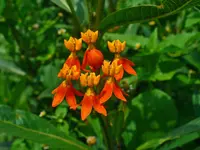
Tropical milkweed, Asclepias curassavica, is a tender perennial subshrub grown mainly for its clusters of bright red, orange, and yellow flowers. It typically forms an upright, bushy clump with narrow, lance-shaped leaves and a long blooming season that attracts butterflies, especially monarchs.
This species is native to tropical and subtropical regions of the Americas but is now widely grown in warm climates and as a seasonal plant elsewhere. It grows relatively easily from seed and adapts well to garden beds and containers, making it straightforward to care for Tropical milkweed.
Asclepias curassavica prefers full sun, moderate moisture, and well-drained soil, and it can tolerate short dry periods once established.

Care Difficulty
Easy Care

Light Preference
Full Sun

Water Requirements
Moderate Water

Temperature Preference
Tropical / Frost Sensitive

Hardiness Zone
8–11

Soil Texture
Sandy, Loamy, Organic-rich

Soil pH
Acidic (5.5–6.5), Slightly acidic (6.5–7.0)

Soil Drainage
Well-drained

Fertilization
Minimal (feed rarely)
Scan your plant to receive care tips personalized for your specific plant
Available on iOS and Android
This sun-loving species thrives in bright, open conditions for strong growth and flowering.
This drought-tolerant perennial prefers deep, infrequent watering once established.
This warm-season plant grows best in consistently mild to hot conditions without frost exposure.
Humidity is not a critical factor for Asclepias curassavica, which adapts well to typical indoor and outdoor air levels.
Asclepias curassavica prefers lean, well-drained soil that stays aerated and never waterlogged.
This species is well suited to container growing in sunny outdoor locations.
Asclepias curassavica grows best in moderately fertile soil and needs only light feeding to support flowering.
Pruning Asclepias curassavica maintains compact growth, encourages blooms, and supports plant health.
Asclepias curassavica is often grown in beds, but young plants in pots or trays benefit from timely transplanting.
New Asclepias curassavica plants are most commonly produced from seed, with cuttings as a secondary method.
Asclepias curassavica is frost-tender and needs extra attention in regions with cold winters.

Plant Health Check
Not sure what's wrong with your plant? Check your plant's health inside the app.
Caterpillars of monarch butterflies feeding on this species accumulate its toxic cardiac glycosides, which then make the adult butterflies distasteful to many predators.
In warm climates this milkweed can flower and hold foliage nearly all year, unlike many temperate milkweeds that die back seasonally, which can alter local monarch breeding patterns.
Its bright orange and red flowers produce abundant nectar that attracts a wide range of pollinators, including native bees, wasps, butterflies, and hummingbirds in suitable regions.

In regions without a hard winter, persistent stands of this tropical milkweed can promote higher levels of the parasite Ophryocystis elektroscirrha (OE) in monarch butterflies, so conservation groups in the US often recommend cutting plants back in late fall to reduce parasite buildup.
Yellowing leaves often result from overwatering, poorly drained soil, or natural aging of lower foliage. Check soil moisture, improve drainage, and remove old yellow leaves. Also inspect for aphids, which can stress plants and worsen discoloration.
Keep your plants happy and healthy with plant identification, disease detection, and easy care guidance.


sweet granadilla
Passiflora ligularis
Philippine ground orchid
Spathoglottis plicata

Speedy Jenny
Tradescantia chrysophylla 'Baby Bunny Bellies'

bluemink
Ageratum houstonianum
Begonia variegata
Begonia variegata

araca-boi
Eugenia stipitata
 POPULAR
Pygmy Date Palm
Phoenix roebelenii

white snakeroot
Ageratina altissima