wreath goldenrod Care (Solidago caesia)

Also known as: bluestem goldenrod, blue-stemmed goldenrod, Sylvan goldenrod
wreath goldenrod

About wreath goldenrod

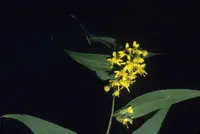
Wreath goldenrod, Solidago caesia, is a hardy, clump-forming perennial in the aster family. It is native to woodlands and open forests in eastern North America. Slender arching stems carry small golden flower clusters spaced along the stem, giving a beaded or wreath-like look in late summer to fall. Plants usually stay compact compared with taller roadside goldenrods, which makes them easier to fit into gardens. This species adapts well to part shade, average garden soil, and moderate moisture. These traits make it relatively simple to care for wreath goldenrod in naturalistic beds, borders, and pollinator plantings.

Main Plant Requirements

Care Difficulty

Easy Care

Light Preference

Partial Sun

Water Requirements

Moderate Water

Temperature Preference

Cold Hardy

Hardiness Zone

4–8

Soil Texture

Sandy, Loamy, Clay

Soil pH

Acidic (5.5–6.5), Slightly acidic (6.5–7.0)

Soil Drainage

Moist but well-drained

Fertilization

Minimal (feed rarely)

Get Personalized Care Plan

Scan your plant to receive care tips personalized for your specific plant

Available on iOS and Android

How to Care for the wreath goldenrod

This species prefers bright conditions and performs best with consistent direct light outdoors.

  • Provide 6–8 hours of direct sun daily; morning sun with light afternoon shade helps reduce heat stress for wreath goldenrod in hot summers.
  • Tolerates partial shade (around 3–4 hours of sun), but flowering and stem strength decline when light drops below this level.
  • In cooler climates, full sun all day is suitable; in warmer regions, protect from intense late-afternoon sun to avoid scorched foliage.

This plant prefers moderately moist, well-drained soil and is fairly drought tolerant once established.

  • Allow the top 3–5 cm of soil to dry before watering; in the ground, water deeply when leaves start to lose slight turgor or lower foliage dulls in color.
  • Ensure soil drains freely; Solidago caesia struggles in standing water, which leads to root rot and yellowing, limp stems.
  • In the first growing season, monitor closely during hot, dry periods; after establishment, reduce frequency and only water during extended drought.

This hardy perennial tolerates a wide temperature range typical of temperate climates.

  • Optimal growth occurs around 65–80°F (18–27°C), supporting strong stems and abundant flowering during late summer and fall.
  • Established plants tolerate winter lows near -20°F (-29°C) in the ground, dying back above soil while crowns and roots overwinter.
  • Heat tolerance is good up to about 90°F (32°C) if soil moisture is maintained; during extreme heat or dry wind, expect some tip scorch and earlier leaf decline.

This species is tolerant of a wide humidity range and usually does not need special humidity management outdoors.

Solidago caesia prefers moderately fertile, well-drained soil but adapts to several textures if excess moisture is avoided.

  • Use a loose, loamy or sandy soil with some organic matter so roots receive both moisture and air.
  • Aim for slightly acidic to neutral pH around 6.0–7.0, avoiding strongly alkaline or highly compacted sites.
  • Blend garden soil with compost and coarse sand or fine gravel to improve drainage on heavier ground.
  • Avoid waterlogged spots, hardpan layers, or dense clay that stay wet after rain, which promotes root rot.

This species can be grown in containers outdoors if the pot is chosen and managed to prevent waterlogging and instability.

  • Choose a deep, heavy container that anchors the clumping stems and reduces tipping in wind or heavy rain.
  • Fill the pot with a gritty, well-drained mix, such as compost blended with coarse sand or small gravel, to shed excess water quickly.
  • Raise the container on feet or bricks so drainage holes stay clear and runoff cannot reabsorb into the root zone.

Solidago caesia grows well in lean soils, so fertilizing should stay light and targeted.

  • Before growth starts in spring, apply a thin layer of compost around the clumps instead of heavy synthetic feeding.
  • Use a balanced slow-release fertilizer (around 10-10-10) once in spring in poor soils only.
  • If using liquid feed, apply at 1/2 strength every 6–8 weeks during active growth, skipping rich or native soils.
  • Stop feeding by late summer; do not fertilize in fall or winter when the plant is going dormant.

Pruning Solidago caesia is mainly done to maintain shape, encourage flowering, and tidy spent stems.

  • In midsummer, shear back spent flower stems by 1/3 to promote a neater form and sometimes a light rebloom.
  • Remove dead, broken, or pest-damaged stems at the base whenever noticed using clean, sharp hand pruners.
  • In late fall or very early spring, cut back dry stalks to 5–10 cm to refresh growth and reduce self-seeding.
  • Thin out crowded stems from the clump center every few years to improve air flow and reduce foliar disease.

This species is most often grown in the ground, so focus on transplanting wreath goldenrod rather than repotting.

  • Transplant in early spring or early fall when temperatures are mild and soil is workable.
  • Choose a sunny to lightly shaded site with well-drained soil; avoid spots that stay wet in winter.
  • Lift clumps with a sharp spade, keeping a solid soil ball around the roots to limit stress and wilting.
  • Water thoroughly after transplanting and keep soil evenly moist for 2–3 weeks until new growth resumes.

Solidago caesia is most reliably propagated by division, with seed as a secondary option for larger projects.

  • Divide mature clumps in early spring or early fall, when weather is cool and soil moisture is moderate.
  • Lift the plant, then split the crown into several sections, each with healthy shoots and roots.
  • Replant divisions at the same depth, firm soil around roots, and water well to settle air pockets.
  • For seed, sow fresh seed on the soil surface in fall or use cold stratification, keeping the medium just moist.

This goldenrod is cold hardy across much of the US and usually needs minimal winter care outdoors.

  • Plants tolerate typical frost and snow once established in well-drained soil.
  • In colder zones, apply a 5–8 cm mulch layer after the ground cools to buffer freeze–thaw cycles around roots.
  • Container-grown plants benefit from moving pots to a sheltered, unheated spot such as a garage or against a wall.

Care Tips

Spring clump division

Every 3–4 years in early spring, lift and divide crowded clumps into smaller sections with at least 3–5 shoots each to maintain vigor and prevent the plant from becoming woody and sparse in the center.

Targeted staking method

In windy or exposed sites, insert low, discreet stakes early in the season and loosely tie only the tallest stems to keep the arching sprays upright without creating a rigid, unnatural look.

Self-seeding control

If you want to limit spread, shear off most spent flower stems as they fade and leave only a few to set seed, which keeps a natural look while preventing heavy self-sowing into nearby beds or paths.

Underplanting for weed suppression

Plant low, shade-tolerant groundcovers around the base to cover bare soil, which reduces weed pressure, stabilizes moisture, and makes maintenance easier when caring for wreath goldenrod in mixed borders.

Seasonal wildlife management

Leave most stems standing through winter to provide seeds and shelter for wildlife, then cut them back to the base in late winter before new shoots emerge so young growth is not damaged during cleanup.

Common Pests and Diseases

Rust

This disease causes small yellow to orange powdery pustules on leaf undersides and can lead to premature leaf drop in moist, crowded stands.

Solution

Remove and destroy heavily infected leaves, thin or divide clumps to improve air circulation, avoid overhead watering, and if rust is severe in high-value plantings, apply a sulfur or chlorothalonil-based fungicide according to label directions.

Powdery mildew

This disease produces a white, powdery coating on leaves and stems, often late in the season when nights are cool and humidity is high.

Solution

Improve spacing and airflow, water at the base in the morning so foliage dries quickly, remove the worst-affected stems, and use a labeled fungicide such as potassium bicarbonate or horticultural oil if the infection is extensive.

Leaf spot

Symptoms include brown to purplish spots on leaves that may coalesce and cause partial defoliation, especially in warm, wet weather.

Solution

Cut and dispose of affected foliage at the end of the season to reduce overwintering spores, avoid wetting the foliage, and consider a preventive fungicide spray during prolonged wet periods if leaf spot has been a recurring issue.

Aster leafhopper

These insects are small, wedge-shaped sap feeders that can transmit aster yellows, causing yellowing, distorted growth, and reduced flowering.

Solution

Monitor plants in late spring and summer, remove and destroy symptomatic plants that show strong aster yellows symptoms, encourage natural predators, and use insecticidal soap or a labeled systemic insecticide if leafhopper numbers remain high and damage is significant.

Goldenrod gall fly

This insect creates round stem galls on goldenrod species, which can distort stems but rarely kills the plant.

Solution

Prune out and discard galled stems in late fall or early spring before adults emerge, and tolerate a low level of galls since they are mostly cosmetic and part of the plant’s normal ecological interactions when growing wreath goldenrod in naturalistic plantings.

Interesting Facts

Blue-stemmed goldenrod

This species is distinctive among goldenrods for its often bluish or purplish arching stems, which contrast with the yellow flower clusters and help separate it from look-alike Solidago species in the field.

Flower clusters on stems

Unlike many goldenrods that carry large plumes of flowers at the top, this plant produces small clusters of yellow flower heads spaced along the upper portions of the stems, a key identification feature.

Autumn pollinator support

In its native eastern North American woodlands, it provides late-season nectar and pollen for a wide range of native bees, wasps, flies, and butterflies when many other forest flowers have already finished blooming.

Botan icon

Did you know?

Although commonly blamed for hay fever, this woodland goldenrod has heavy, sticky pollen that is moved by insects rather than wind, so it is not considered a significant cause of seasonal allergic rhinitis compared with wind-pollinated ragweed.

FAQs about wreath goldenrod

This species spreads by short rhizomes and self-seeding but usually forms loose clumps rather than taking over. In average garden conditions it is considered manageable, especially when spent flower heads are deadheaded and new seedlings are thinned.

Grow Healthy Plants with Botan Care

Keep your plants happy and healthy with plant identification, disease detection, and easy care guidance.

Botan plant care app — identify plants on mobile

Explore More Plants