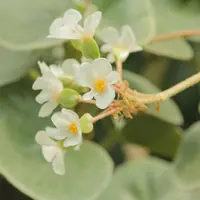
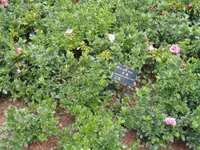
clavel de muerto Care (Tithonia rotundifolia)

Also known as: Mexican Sunflower, Red Sunflower
clavel de muerto

About clavel de muerto

Clavel de muerto, or Tithonia rotundifolia, is a fast-growing annual flowering plant from Mexico and Central America. It belongs to the daisy family and is valued for its vivid orange blooms.

Plants form tall, branching stems with coarse, slightly rough leaves and bright, daisy-like flowers that attract butterflies and other pollinators. In warm conditions it can create a loose, informal hedge or backdrop in sunny borders.

This species is generally easy to grow, as it tolerates heat, poor soils, and brief dry spells once established. It prefers full sun, well-drained soil, and moderate watering, so learning how to care for clavel de muerto is straightforward for most gardeners.

Main Plant Requirements

Care Difficulty

Easy Care

Light Preference

Full Sun

Water Requirements

Moderate Water

Temperature Preference

Tropical / Frost Sensitive

Hardiness Zone

9–11

Soil Texture

Sandy, Loamy, Organic-rich

Soil pH

Acidic (5.5–6.5), Slightly acidic (6.5–7.0)

Soil Drainage

Well-drained

Fertilization

Minimal (feed rarely)

Get Personalized Care Plan

Scan your plant to receive care tips personalized for your specific plant

Available on iOS and Android

How to Care for the clavel de muerto

Tithonia rotundifolia needs strong, direct sun to form sturdy stems and abundant blooms.

  • Provide 6–8 hours of full sun daily; clavel de muerto flowers best in open, unobstructed sites with all-day sun.
  • Tolerates light afternoon shade in very hot climates, but flowering and height may decrease if it receives under 4–5 hours of direct sun.
  • In early spring or in cloudy regions, choose the brightest south- or west-facing spot available to prevent weak, leggy growth.

This species prefers deep but infrequent watering once established, with time for the soil to dry between soakings.

  • Water when the top 5–7 cm of soil feels dry; apply a slow, deep soak so moisture reaches the full root zone.
  • Use well-drained, sandy or loamy soil; prolonged puddling, algae on the surface, or a sour smell indicate overwatering and poor drainage.
  • In hot, dry periods, expect to water more often if leaves droop during the day and do not recover by evening, a sign of drought stress in Tithonia rotundifolia.

This fast-growing annual thrives in warm conditions and reacts poorly to frost or prolonged cold.

  • Optimal growth occurs around 70–85°F (21–29°C), which supports rapid shoot development and flowering.
  • Plants are frost-tender and typically die back at 32°F (0°C); avoid planting outdoors until night temperatures stay above 50°F (10°C).
  • Tolerates short heat waves up to about 95°F (35°C) if soil moisture is adequate, but flowering may slow during extreme, prolonged heat.

Humidity is not a critical factor for this drought-tolerant species, which handles typical household or outdoor air well, so caring for clavel de muerto focuses more on light and soil than on moisture in the air.

This species prefers lean, well-aerated soil that drains quickly and does not stay wet.

  • Use a sandy or sandy-loam mix with 30–50% coarse sand or fine gravel to ensure rapid drainage.
  • In garden beds, amend heavy or compacted soil with coarse compost and grit to improve structure and air spaces around roots.
  • Aim for slightly acidic to neutral pH, roughly 6.0–7.2, and avoid very rich, high-peat mixes that hold excess moisture.
  • Avoid low-lying or poorly drained sites where water pools, as prolonged saturation quickly leads to root decline.

This tall, fast-growing annual can be grown in containers if the pot and setup provide enough depth and stability.

  • Choose a deep, heavy container at least 35–40 cm tall so the root system anchors the top-heavy stems and resists tipping in wind.
  • Use a sharply draining mix, such as 60–70% standard potting mix blended with coarse sand or perlite, to keep water moving through the root zone.
  • Position the container where wind exposure is moderate and, if needed, secure the pot or stake stems so the tall growth does not lever the container over.

Tithonia rotundifolia is not a heavy feeder but responds well to modest nutrition during the growing season when caring for clavel de muerto.

  • Before planting, mix mature compost into the top 15–20 cm of soil to improve structure and slow nutrient release.
  • During active growth, apply a balanced NPK fertilizer (such as 10-10-10) every 4–6 weeks at half-strength.
  • Use a slow-release granular fertilizer once in late spring for container plants, following label rates precisely.
  • Stop feeding in late summer to early fall so growth can harden before cold weather.

Pruning Tithonia rotundifolia helps maintain a sturdy shape and longer flowering.

  • In late spring or early summer, pinch back soft tips on young plants to encourage branching and more blooms.
  • Remove dead, diseased, or storm-damaged stems promptly using clean, sharp hand pruners.
  • Thin crowded interior stems to improve light and air movement through the canopy.
  • Deadhead spent flower heads to extend the blooming period, or leave some to set seed for wildlife.

This species is usually grown as an annual in beds, so focus on careful transplanting rather than frequent repotting.

  • Transplant seedlings outdoors after frost danger passes and soil has warmed, when plants have 2–3 true leaf pairs.
  • Choose a sunny site with well-drained soil and space plants 30–45 cm apart to avoid overcrowding later.
  • If roots circle the starter pot, gently tease them loose before planting to reduce long-term root stress.
  • Water thoroughly after transplanting and keep soil evenly moist for 7–10 days to support establishment.

Tithonia rotundifolia is most commonly propagated from seed rather than from cuttings or division.

  • Sow seeds indoors 4–6 weeks before the last frost or direct-sow outdoors once soil is consistently warm.
  • Use a light, well-drained seed-starting mix and barely cover seeds, as light helps trigger germination.
  • Maintain 70–75°F and moderate moisture; seedlings usually emerge within 7–14 days.
  • Harden off indoor seedlings for 7–10 days before planting outside in full sun and free-draining soil.

In most climates this plant is grown as a frost-tender annual, so extensive winter care is not needed.

  • Tithonia rotundifolia is very sensitive to frost; flowering stops and foliage blackens after freezing nights.
  • In cold regions, allow the first frost to kill the tops, then remove spent plants and compost healthy debris.
  • In mild-winter areas, a light mulch over the root zone can help any self-sown seeds overwinter in the soil.

Care Tips

Sturdy stem support

Install individual stakes or a wire mesh fence when plants reach 20–30 cm, then loosely tie stems with soft ties to prevent wind damage and lodging as they reach full height.


Pinch for branching

When young plants reach 25–35 cm tall, pinch out the main growing tip once to encourage multiple side branches and a larger overall flower display later in the season.

Deadhead with precision

Remove fading blooms down to a strong side shoot rather than just the flower head, which redirects energy into new buds and keeps the plants from becoming leggy.

Timed succession sowing

Sow a new batch of seeds every 2–3 weeks in late spring and early summer so flowering is staggered and continuous instead of peaking all at once when growing clavel de muerto.

Targeted pest scouting

Check the undersides of leaves and tender growing tips twice weekly for aphids and spider mites, and wash them off with a firm water spray before infestations build and stress the plants.

Common Pests and Diseases

Aphids

These insects cluster on tender shoot tips and flower buds, sucking sap and causing distortion, curling, and sticky honeydew on leaves. Symptoms include stunted new growth and sooty mold developing on the honeydew deposits.

Solution

Spray plants with a strong stream of water to dislodge colonies, then treat remaining aphids with insecticidal soap or a light horticultural oil, coating leaf undersides and stems. Encourage natural predators such as lady beetles and avoid high-nitrogen fertilization that promotes soft, aphid-prone growth.

Spider mites

These pests thrive in hot, dry conditions and feed on leaf undersides, causing fine stippling, bronzing, and eventual leaf drop. Symptoms include very fine webbing between leaves and stems when populations are high.

Solution

Increase humidity around the plants and rinse foliage thoroughly, especially the undersides, every few days to knock back populations. For persistent infestations, apply insecticidal soap or a miticide labeled for ornamental plants, repeating at 5–7 day intervals as needed.

Leafhoppers

These insects feed by piercing and sucking sap from leaves, leading to pale speckling, tip browning, and a general decline in vigor. Symptoms include sudden leaf yellowing and rapid movement of small, wedge-shaped insects when foliage is disturbed.

Solution

Remove surrounding weeds that shelter leafhoppers and use yellow sticky cards to monitor activity. If damage is significant, use a targeted insecticidal soap or pyrethrin spray in the evening, ensuring good coverage of both sides of the leaves.

Powdery mildew

This disease appears as white, powdery patches on leaves, stems, and sometimes flower buds, especially in humid conditions with poor air flow. Symptoms include distorted leaves, reduced flowering, and premature leaf drop.

Solution

Improve air circulation by spacing plants properly, thinning dense growth, and avoiding overhead watering late in the day. Remove heavily infected leaves and apply a sulfur, potassium bicarbonate, or neem-based fungicide at the first sign of symptoms, repeating as directed on the product label.

Botrytis blight

This disease causes water-soaked spots on petals and leaves that quickly turn brown and develop gray, fuzzy mold, particularly in cool, damp weather. Symptoms include collapse of flower heads and rotting of crowded, shaded stems near the base.

Solution

Remove and discard affected flowers and foliage promptly and avoid wetting the blooms during irrigation. Improve drainage and airflow around plants, and if conditions remain cool and wet, apply a labeled fungicide for gray mold as a preventative measure on healthy tissue surrounding previously affected areas.

Interesting Facts

Heat-loving annual

This species behaves as a fast-growing annual in most temperate climates and flowers best in prolonged heat, maintaining strong growth and bloom production even during hot, dry late-summer conditions when many ornamentals decline.

Pollinator magnet

The large orange flower heads produce abundant nectar and pollen that attract diverse native bees, butterflies, and hummingbirds, making it a high-value resource plant in pollinator gardens.

Rapid biomass builder

Tithonia rotundifolia can reach 1.5–2.5 m in a single season with thick, branching stems and broad leaves, creating substantial green biomass that can be used as a nutrient-rich addition to compost.

Botan icon

Did you know?

In parts of tropical Africa, Tithonia rotundifolia has naturalized along roadsides and fields, where its dense, tall stands can alter local plant communities and are studied as an example of how an introduced ornamental species can become ecologically influential outside its native range.

FAQs about clavel de muerto

Lack of blooms usually comes from too much nitrogen fertilizer, insufficient sun, or planting in overly rich, soggy soil. Reduce high-nitrogen feeding, ensure full sun exposure, and keep soil well-drained to encourage strong flowering.

Grow Healthy Plants with Botan Care

Keep your plants happy and healthy with plant identification, disease detection, and easy care guidance.


Botan plant care app — identify plants on mobile

Explore More Plants