


Post-bloom management
After flowering, remove spent blooms by pinching off the entire truss without damaging the new leaf buds beneath, which helps direct energy into next season’s flower formation.

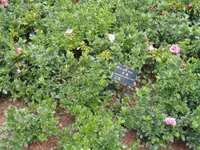
Red azalea, Rhododendron simsii, is a compact evergreen shrub valued for its showy red funnel-shaped flowers and dense, glossy foliage. It is often grown as a seasonal indoor flowering plant or in outdoor containers in mild climates.
This species originates from East Asia, where it grows in cool, humid, mountainous regions with filtered light. Its need for acidic, well-drained soil and consistent moisture makes it a bit more demanding than many common houseplants.
Understanding how to care for Red Azalea starts with avoiding heat, dry air, and waterlogged soil, which quickly stress the plant and shorten its blooming period.

Care Difficulty
Moderate Care

Light Preference
Partial Shade

Water Requirements
Keep Soil Moist

Temperature Preference
Cool Climate

Hardiness Zone
7–9

Soil Texture
Loamy, Peaty, Organic-rich

Soil pH
Strongly acidic (4.5–5.5), Acidic (5.5–6.5)

Soil Drainage
Moist but well-drained

Fertilization
Light (every 4–6 weeks)
Scan your plant to receive care tips personalized for your specific plant
Available on iOS and Android
This shrub prefers bright, indirect light with protection from harsh midday sun.
Watering should keep the root zone evenly moist but never soggy.
Stable, cool to mild temperatures support healthy growth and flowering.
This species prefers consistently moist air and reacts quickly to dry indoor conditions.
Rhododendron simsii needs a light, acidic, well-aerated mix that drains freely but holds steady moisture.
This shrub is well-suited to container growing when moisture and stability are carefully managed.
Rhododendron simsii benefits from light, acid-appropriate feeding rather than heavy fertilization.
Rhododendron simsii responds well to light, timely pruning that maintains shape and flowering wood.
Container-grown Rhododendron simsii needs careful repotting to avoid root stress and maintain vigor.
Rhododendron simsii is commonly propagated from semi-ripe cuttings and layering rather than seed.
Rhododendron simsii is moderately cold sensitive and benefits from extra winter protection, especially in containers.

Plant Health Check
Not sure what's wrong with your plant? Check your plant's health inside the app.
Plants sold as florist azaleas under this name are usually complex hybrids derived mainly from Rhododendron simsii and related species, originally selected in China and later extensively bred in Belgium, Germany, and Japan for compact growth and winter flowering.
This species and its hybrids set abundant flower buds only after exposure to relatively cool conditions, which is why they are widely used as late winter and early spring pot plants in greenhouses and indoor displays.
Rhododendron simsii naturally grows on very acidic, well-drained mountain soils in southern China and adjacent regions, which explains its sensitivity to hard, lime-rich tap water in cultivation.

Early European botanical descriptions of Rhododendron simsii in the 19th century, based on plants imported from China, played a key role in the development of modern indoor azalea breeding lines that are now standard in the commercial pot-plant trade worldwide.
Lack of blooms is often due to pruning at the wrong time, insufficient winter chill, or excess shade. Old wood carries next season’s buds, so heavy pruning after midsummer removes flowers. Overfertilizing with nitrogen also reduces flowering.
Keep your plants happy and healthy with plant identification, disease detection, and easy care guidance.

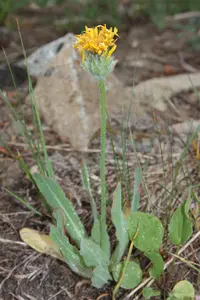
pale agoseris
Agoseris glauca
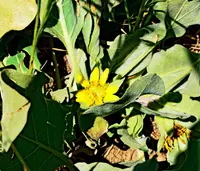
southern mule-ears
Agnorhiza ovata
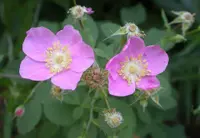
California wildrose
Rosa californica
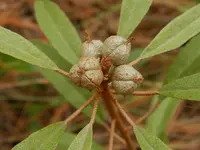
healing croton
Croton argyranthemus
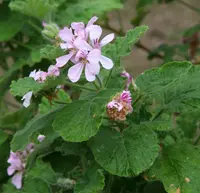
oakleaf garden geranium
Pelargonium panduriforme
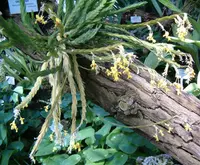
Lockhartia oerstedii
Lockhartia oerstedii
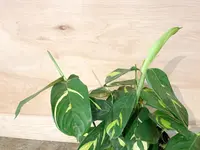
Never-Never Plant
Ctenanthe lubbersiana 'Brazilian Snow'
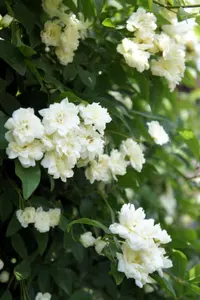
Lady Banks' Rose
Rosa banksiae