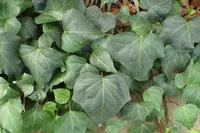
western white honeysuckle Care (Lonicera albiflora)

western white honeysuckle

About western white honeysuckle

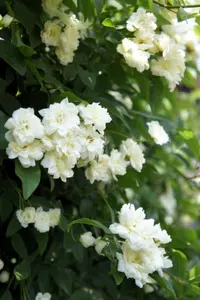
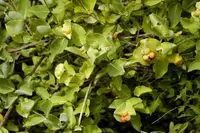
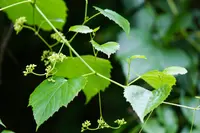
Western white honeysuckle, Lonicera albiflora, is a twining, deciduous vine or loose shrub native to dry woodlands and rocky slopes of the southern United States and northern Mexico. It is valued for its clusters of tubular white flowers that often age to yellow, followed by small red berries that attract birds.

The plant has a relatively open growth habit and can climb through shrubs or along supports, creating a light, natural look rather than a dense screen. It is adapted to sun and partial shade, and usually prefers well-drained, moderately dry to seasonally moist soils.

Because it is drought-tolerant once established and not highly demanding, many gardeners find it straightforward to care for western white honeysuckle in suitable climates.

Main Plant Requirements

Care Difficulty

Easy Care

Light Preference

Full Sun

Water Requirements

Moderate Water

Temperature Preference

Cold Hardy

Hardiness Zone

5–9

Soil Texture

Sandy, Loamy, Rocky

Soil pH

Slightly acidic (6.5–7.0), Neutral (7.0)

Soil Drainage

Well-drained

Fertilization

Minimal (feed rarely)

Get Personalized Care Plan

Scan your plant to receive care tips personalized for your specific plant

Available on iOS and Android

How to Care for the western white honeysuckle

This sun-loving shrub thrives in bright, open conditions typical of its native habitats.

  • Provide 6–8 hours of direct sun daily; morning sun with light afternoon shade is ideal in hotter regions to limit leaf scorch.
  • Tolerates light or dappled shade for part of the day, but flowering and overall vigor of western white honeysuckle decline with less than 4–5 hours of sun.
  • In cooler seasons or coastal climates, full sun all day is usually safe, while in midsummer heat consider protection from intense late-afternoon sun.

This species prefers dry to moderately moist conditions and is adapted to periods of drought once established.

  • Allow the top 3–5 cm of soil to dry before deep watering, then soak the root zone rather than giving frequent shallow drinks.
  • Ensure sharply draining soil; prolonged soggy conditions or standing water cause root rot, yellowing leaves, and soft stems in Lonicera albiflora.
  • In the first growing season, monitor closely during hot, dry spells for wilting or dull, folding leaves, then increase watering; reduce frequency in cool or rainy weather.

This plant is naturally adapted to warm summers and cool to cold winters in many temperate regions.

  • Best growth occurs around 65–85°F (18–29°C), with active shoot and flower production during the warmer part of the growing season.
  • Mature plants can tolerate winter lows near 0°F (−18°C) when fully dormant, though young plants benefit from protection from severe frost and drying winds.
  • Handles dry summer heat up to about 95–100°F (35–38°C) if soil is not waterlogged; during heat waves, soil-level mulch helps buffer root temperatures and moisture loss.

This species tolerates a wide humidity range and usually does not need special humidity management in cultivation.

This shrub prefers well-structured, free-draining soil that mimics its native scrub and woodland habitats.

  • Use a sandy or sandy-loam base with 20–30% compost to provide moderate fertility and retain some moisture without becoming heavy.
  • Ensure fast drainage by avoiding clay-heavy ground; if soil is dense, incorporate coarse sand or fine gravel through the top 20–30 cm.
  • Target a slightly acidic to neutral pH around 6.0–7.5, which suits Lonicera albiflora and helps nutrient availability.
  • Avoid constantly wet, compacted, or highly saline soils, which reduce root aeration and increase the risk of root diseases.

This species can be grown in containers outdoors if the pot supports its shrubby, vining habit.

  • Choose a wide, heavy container to keep the plant stable as stems elongate and catch wind or climb support structures.
  • Allow at least 30–40 cm depth to accommodate its woody root system and prevent rapid drying of the potting volume.
  • Use a fast-draining outdoor potting mix with added coarse sand or fine gravel so rainfall or irrigation does not linger around the roots.

This native honeysuckle is adapted to lean soils and usually needs minimal feeding once established.

  • In garden soil, use a light layer of compost or well-rotted manure in early spring to support new growth.
  • For container-grown western white honeysuckle, apply a balanced slow-release fertilizer (around 10-10-10) at half label rate in spring.
  • Avoid midsummer and fall feeding so growth can harden before winter; skip fertilizer entirely in winter dormancy.

Pruning helps Lonicera albiflora maintain a manageable size and sustain flowering wood.

  • Best time is late winter to very early spring, before new growth starts.
  • Remove dead, damaged, or crossing stems first, using clean, sharp bypass pruners.
  • Thin out crowded interior shoots to improve air flow and light penetration, which supports healthier growth.
  • Shorten overly long stems to shape the shrub or vine without removing more than 1/3 of total growth.

This species is most often grown in the ground and only occasionally kept in containers long term.

  • Transplant in early spring or early fall when temperatures are mild and soil is workable.
  • Move plants that show poor vigor, heaving from the soil, or are spaced too closely to other shrubs.
  • Lift the plant with as much root ball as possible, water well beforehand, and keep roots shaded during the move.
  • Replant at the same depth in a prepared hole, firm soil gently, water deeply, and mulch to reduce stress and moisture loss.

Lonicera albiflora can be propagated by semi-ripe cuttings, layering, or seeds for new plants.

  • Take semi-ripe stem cuttings in late spring to midsummer and root them in a moist, well-drained, low-nutrient medium.
  • Use simple layering in spring by pegging a flexible stem to the soil until roots form, then detach and transplant.
  • Sow fresh seed outdoors in fall or provide a cold stratification period indoors to improve germination.
  • Maintain even moisture, bright indirect light, and good air circulation around young plants to reduce rot and damping-off.

This honeysuckle is generally cold hardy in its native range and needs limited winter attention in the ground.

  • In colder areas, add a 5–8 cm mulch layer over the root zone after soil cools, keeping mulch off stems.
  • Container plants benefit from being moved to a sheltered spot or unheated garage to reduce freeze–thaw stress.
  • Water sparingly during winter thaws, keeping soil slightly moist but never saturated around dormant roots.

Care Tips

Provide sturdy support

Install a strong trellis, fence, or wire system before planting so stems can be tied loosely with soft ties as they elongate, which prevents wind damage and encourages a well-structured framework.

Train young shoots

In the first 2–3 seasons, select 3–5 healthy main stems and gently guide them along the support, removing or shortening weak, crossing, or congested shoots to build a permanent, open framework that flowers well.

Mulch for root stability

Apply a 5–8 cm layer of coarse organic mulch around but not touching the stems to keep roots cool, reduce soil moisture swings, and limit weed competition, especially in hot or exposed sites.

Monitor for borers

Inspect stems in late spring and summer for sudden wilting, dieback, or frass (sawdust-like material), then prune out and destroy affected stems promptly to reduce wood-boring insect problems without routine chemical use.

Encourage wildlife pollination

Allow some spent flowers to remain and avoid broad-spectrum insecticides during bloom so native pollinators can access nectar, which supports better seed set and overall vigor when growing western white honeysuckle.

Common Pests and Diseases

Honeysuckle aphids

This pest feeds on young shoots and leaf undersides, causing curling, distortion, and sticky honeydew that can lead to sooty mold. Symptoms include clusters of soft, pear‑shaped insects, usually green or yellow, on tender growth.

Solution

Prune off heavily infested shoot tips and hose remaining colonies from stems with a firm stream of water. For persistent infestations, treat new growth with insecticidal soap or a light horticultural oil, applied in the early morning and repeated as needed according to label directions.

Honeysuckle leaf blight

This disease causes tan to brown leaf spots that often enlarge and merge, leading to blighted patches and early leaf drop in warm, humid weather. Symptoms include irregular necrotic areas starting on older leaves and sometimes along midribs or leaf margins.

Solution

Remove and dispose of fallen leaves and heavily spotted foliage to reduce inoculum, and avoid overhead irrigation to keep leaves dry. If the plant suffers repeated yearly defoliation, a copper or chlorothalonil-based fungicide can be applied preventively to new foliage in spring during prolonged wet periods.

Powdery mildew

This disease produces a white to gray powdery coating on leaves and young stems, which can cause leaf yellowing, distortion, and reduced vigor in shaded or poorly ventilated sites. Symptoms include a talc-like film that may begin as small patches and expand over time.

Solution

Improve air circulation by thinning crowded stems and avoiding dense plantings, and reduce shade if possible. Remove badly affected leaves and, in persistent cases, use a sulfur or potassium bicarbonate fungicide labeled for ornamentals, applying at the first sign of mildew and repeating as directed.

Scale insects

These insects attach tightly to stems and sometimes leaves, appearing as small, immobile bumps that suck sap and cause stunting, yellowing, and dieback of twigs. This pest often produces honeydew that can attract ants and encourage sooty mold growth.

Solution

Prune out and destroy heavily infested twigs, and gently scrub accessible stems with a soft brush and soapy water to remove scales. For larger shrubs, apply a dormant-season horticultural oil to smother overwintering stages, and use a light summer oil on active crawlers if needed, ensuring thorough coverage of stems.

Honeysuckle witches’ broom

This disease causes dense, broom-like clusters of thin shoots with small, distorted leaves, often on a single branch or section of the shrub. Symptoms include abnormal branching and reduced flowering on affected portions of the plant.

Solution

Prune out witches’ broom growth several inches below the affected area and dispose of all removed material, disinfecting pruning tools between cuts. Monitor for reoccurrence and maintain general plant health with proper watering and light, as stressed plants are more susceptible to this type of disorder, which is important knowledge for Lonicera albiflora plant care.

Interesting Facts

Southwestern range specialist

This honeysuckle is native to arid and semi-arid regions of the south-central United States and northern Mexico, where it grows on limestone outcrops, rocky slopes, and canyon edges rather than in moist woodland habitats typical for many other honeysuckles.

White, scentless blossoms

Unlike many honeysuckles with strongly fragrant flowers, this species bears white to creamy, almost scentless tubular blooms that often age to yellow, an adaptation likely aligned with its native pollinator community and dryland environment.

Dual bird resource

Its tubular flowers provide nectar for hummingbirds and long-tongued insects in spring, while the paired red berries later in the season are eaten by birds, helping disperse its seeds and supporting local wildlife; this interaction is often noted in Lonicera albiflora plant care guidance for naturalistic landscapes.

FAQs about western white honeysuckle

This species is a twining vine that climbs over nearby shrubs, fences, or low trees rather than forming dense ground cover. Stems wrap around available supports, reaching outward and upward instead of rooting along the ground.

Grow Healthy Plants with Botan Care

Keep your plants happy and healthy with plant identification, disease detection, and easy care guidance.

Botan plant care app — identify plants on mobile

Explore More Plants