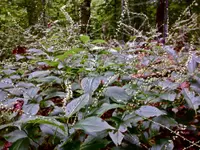
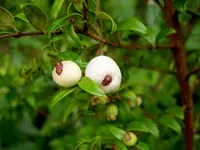
oakleaf garden geranium Care (Pelargonium panduriforme)

Also known as: Oak-leaved geranium, balsam-scented geranium, fiddle-leaved pelargonium, Fiddle Storksbill
oakleaf garden geranium

About oakleaf garden geranium

Pelargonium panduriforme, often called oakleaf garden geranium, is a shrubby, scented pelargonium grown mainly for its finely cut, oak-like foliage and aromatic leaves. It tends to form a loose, upright to slightly spreading plant that suits containers, mixed borders, and herb or fragrance gardens.

This species is native to South Africa, where it grows in sunny, dry habitats with well-drained, often sandy or rocky soils. Its drought tolerance, light fragrance, and relatively low pest pressure generally make it straightforward for home gardeners who want to learn how to care for oakleaf garden geranium without demanding conditions.

It prefers bright light, moderate watering, and free-draining soil, which aligns well with many indoor windowsill or outdoor patio settings in mild climates.

Main Plant Requirements

Care Difficulty

Moderate Care

Light Preference

Full Sun

Water Requirements

Moderate Water

Temperature Preference

Tropical / Frost Sensitive

Hardiness Zone

10–11

Soil Texture

Sandy, Loamy, Organic-rich

Soil pH

Slightly acidic (6.5–7.0), Slightly alkaline (7.0–7.5)

Soil Drainage

Well-drained

Fertilization

Light (every 4–6 weeks)

Get Personalized Care Plan

Scan your plant to receive care tips personalized for your specific plant

Available on iOS and Android

How to Care for the oakleaf garden geranium

Pelargonium panduriforme grows best with bright sun and some protection from harsh afternoon exposure.

  • Provide 4–6 hours of direct morning sun, plus bright indirect light for the rest of the day, especially for oakleaf garden geranium in cooler climates.
  • Allow light afternoon shade in hot summers to prevent leaf scorch and faded flower color, particularly in zones with intense sun.
  • Watch stems and leaves: lanky, stretched growth signals too little light, while crisped leaf edges and bleached patches indicate excessive direct sun.

Pelargonium panduriforme prefers thorough but infrequent watering and dislikes staying wet.

  • Water only when the top 3–5 cm of soil feels dry, then soak the root zone until water drains freely from the base if in a container or raised bed.
  • Use a sharply draining mix or well-amended garden soil; persistent sogginess leads to yellowing leaves, soft stems, and potential root rot.
  • In cooler months reduce watering frequency, watching for slight leaf droop and lighter pot weight as cues to water, but avoid letting stems shrivel.

This species favors mild, dry conditions with protection from frost and extreme heat.

  • Aim for 60–75°F (16–24°C) for active growth, which supports steady foliage and flower production without stress.
  • Protect Pelargonium panduriforme from temperatures below 32°F (0°C); light frost can damage leaves, and a hard freeze may kill roots.
  • In hot spells above 90°F (32°C), give afternoon shade and increase airflow to limit heat stress, leaf scorch, and stalled flowering.

Humidity plays a minor role for this drought-tolerant Pelargonium panduriforme.

  • Aim for 30–50% humidity; typical indoor air in heated homes suits oakleaf garden geranium well.
  • Dry air is usually tolerated, but sustained humidity above 60% increases risk of leaf spotting and fungal issues.
  • If air is extremely dry and leaf edges crisp, group pots slightly closer together rather than misting to avoid wet foliage.

This species prefers a sharply drained, airy mix that dries quickly between waterings.

  • Use a sandy or gritty loam with 30–40% mineral material such as coarse sand or fine gravel to prevent waterlogging.
  • In pots, combine 50–60% peat-free potting mix with 20–30% perlite and 10–20% coarse sand or bark chips for structure and aeration.
  • Keep pH slightly acidic to neutral (6.0–7.2); avoid strongly acidic or alkaline substrates that can limit nutrient uptake.
  • Avoid dense, clay-heavy or constantly wet substrates, as Pelargonium panduriforme is highly prone to root rot in poorly drained conditions.

This species is well suited to container growing due to its compact, shrubby habit and drought tolerance.

  • Choose a relatively deep, slightly heavy pot to anchor the woody base and prevent tipping in wind.
  • Select terracotta or other porous materials if strong sun exposure is expected, as they allow faster drying after infrequent deep watering.
  • Leave a 1–2 cm gap below the rim for clean watering, preventing overflow that can repeatedly saturate the collar of the plant.

Pelargonium panduriforme benefits from modest, consistent feeding during its active growing season.

  • Use a balanced water-soluble fertilizer (for example 10-10-10) at 1/2 strength every 2–4 weeks from spring to early fall.
  • Alternatively, apply a light layer of compost or a low-dose slow-release fertilizer at the start of the season.
  • Reduce feeding to once every 6–8 weeks in winter, or pause if growth is very slow.
  • Water before applying fertilizer to avoid root burn and keep caring for oakleaf garden geranium straightforward.

Pruning Pelargonium panduriforme helps maintain a compact, branching form and supports flowering.

  • Carry out main pruning in late winter or early spring before strong new growth starts.
  • Remove dead, damaged, or crossing stems, and thin very crowded shoots to improve light and air flow.
  • Tip back long, leggy stems by 1/3 to encourage bushier growth and more flowering points.
  • Use clean, sharp scissors or hand pruners, disinfecting blades between plants to limit disease spread.

Pelargonium panduriforme adapts well to containers and benefits from occasional repotting or transplanting.

  • Look for roots circling the pot, water running straight through, or slowed growth as signs it needs more space.
  • Plan to repot or transplant every 2–3 years in late winter or early spring, just before vigorous growth resumes.
  • Choose a pot 2–5 cm wider with free-draining mix, or a garden site with light, well-drained soil.
  • Water the plant well the day before, gently loosen the root ball, and shade it for a few days afterward to reduce stress.

Pelargonium panduriforme is most often propagated from stem cuttings for consistent, healthy new plants.

  • Take 7–10 cm non-flowering stem cuttings in late spring or summer, cutting just below a node.
  • Remove lower leaves, let cut ends dry for 30–60 minutes, and optionally dip in rooting hormone.
  • Insert cuttings into a sterile, free-draining medium and keep slightly moist, not wet.
  • Provide bright, indirect light and temperatures around 65–75°F for reliable rooting within several weeks.

Pelargonium panduriforme is frost sensitive and needs protection in regions with freezing winters.

  • In climates below 32°F, grow in containers and move plants indoors before the first hard frost.
  • Indoors, keep in bright light and cooler room temperatures around 50–60°F with reduced watering.
  • In mild-winter areas, apply a light mulch around the root zone to buffer brief cold spells.

Care Tips

Encourage Bushy Growth

Pinch back the soft tips of new stems every 3–4 weeks during active growth to keep the plant compact and encourage dense side branching rather than long, leggy shoots.

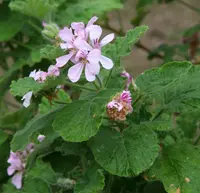
Scent Maximizing Placement

Position the plant where light air movement passes over the foliage, such as near an open window or frequently used doorway, to help release and distribute the aromatic oils from its leaves without exposing it to strong drafts.

Container Size Management

Use a slightly snug pot and upsize only 2–4 cm at a time, since a mildly root-bound plant flowers and scents better than one in an oversized container with excess wet substrate.

Regular Stem Renewal

Each year after peak flowering, remove 1–3 of the oldest, woodiest stems at the base to stimulate fresh, vigorous shoots that carry more foliage and flowers the following season.

Targeted Pest Monitoring

Inspect the undersides of leaves and soft stem tips every 1–2 weeks for early signs of aphids, whitefly, or spider mites, and treat promptly with a gentle insecticidal soap spray to keep caring for oakleaf garden geranium efficient and low stress over time.

Common Pests and Diseases

Geranium budworm

This pest is a caterpillar that tunnels into flower buds and young shoots, causing buds to fail to open or be chewed from the inside. Symptoms include browning, hollow buds, and small dark droppings on leaves or around flowers.

Solution

Handpick caterpillars in the evening, remove and discard damaged buds, and reduce outdoor lighting that attracts adult moths. If infestations are persistent, use a targeted biological product containing Bacillus thuringiensis (Bt) on buds and young growth, following the label and avoiding spray during peak pollinator activity.

Pelargonium rust

This disease is a fungal infection that causes small yellow spots on the upper leaf surface and brown powdery pustules directly beneath them. Symptoms include leaf yellowing, premature leaf drop, and a patchy, weakened plant canopy.

Solution

Remove and discard all affected leaves, avoid overhead watering, and space plants to improve airflow. For recurring problems, apply a fungicide labeled for geranium rust on a 7–14 day schedule and keep foliage as dry as possible, especially in greenhouse or indoor conditions where Pelargonium panduriforme plant care often involves close spacing.

Botrytis blight

This disease is a gray mold that develops on aging flowers, soft stems, and damaged leaves under cool, humid conditions. Symptoms include soft brown patches that become covered with gray fuzzy spores, often starting on spent blooms.

Solution

Promptly remove spent flowers and any soft or moldy tissue, then improve air movement and reduce humidity around the plant. In severe or recurring cases, use a botrytis-targeted fungicide and avoid watering late in the day so surfaces dry before night.

Whiteflies

These insects are tiny white, moth-like pests that fly up in a cloud when the plant is disturbed and feed on leaf sap. Symptoms include sticky honeydew, sooty mold growth, and gradual leaf yellowing or curling.

Solution

Shake foliage to dislodge adults and use yellow sticky traps to monitor and reduce flying populations. Rinse leaves with a gentle water spray, then apply insecticidal soap or horticultural oil to the undersides of leaves at 5–7 day intervals until new growth appears clean.

Mealybugs

This pest forms white, cottony clusters in leaf axils, on stems, and sometimes on roots, feeding on plant sap. Symptoms include sticky honeydew, distorted new growth, and general decline in vigor, especially on container and indoor specimens.

Solution

Isolate affected plants, remove visible mealybugs with a cotton swab dipped in isopropyl alcohol, and rinse foliage if the plant can tolerate it. Follow up with repeated treatments of insecticidal soap or a light horticultural oil, paying attention to hidden crevices and pot rims where insects shelter.

Interesting Facts

Strong resinous fragrance

The leaves release a strong resinous, pine-like scent when touched, which comes from essential oils produced in specialized glandular hairs on the leaf surface.

Oak-shaped foliage

Its leaves have a distinct fiddle- to oak-like shape with lobed margins, which is the feature that inspired the common name oakleaf garden geranium.

Fynbos shrub habitat

This species is native to the fynbos and shrubland regions of South Africa’s Western Cape, where it grows as a woody subshrub adapted to dry summers and nutrient-poor, sandy or rocky soils.

FAQs about oakleaf garden geranium

Brown leaf edges usually indicate underwatering, excess fertilizer salts, or low humidity combined with strong air flow. Brown, mushy patches point to rot from chronically wet soil. Remove damaged leaves, adjust watering, and improve drainage and air circulation.

Grow Healthy Plants with Botan Care

Keep your plants happy and healthy with plant identification, disease detection, and easy care guidance.

Botan plant care app — identify plants on mobile

Explore More Plants