great laurel Care (Rhododendron maximum)

Also known as: great rhododendron, Large Rhododendron, big laurel
great laurel

About great laurel

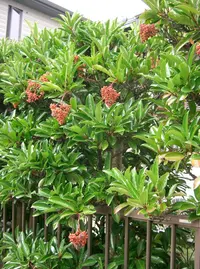
Great laurel, Rhododendron maximum, is a broadleaf evergreen shrub native to the Appalachian and eastern United States woodlands. It naturally forms dense thickets and can reach large shrub size over time.

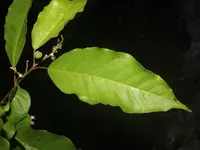
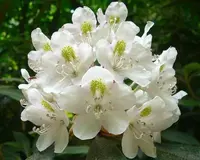
Its leaves are leathery, dark green, and clustered at the tips of branches, with showy clusters of white to pale pink flowers in late spring to early summer. The plant provides strong year-round structure in shaded landscapes.

This species thrives in cool, humid conditions with partial shade, evenly moist soil, and good drainage. Its preference for acidic, organic-rich soil and consistent moisture means gardeners must understand how to care for great laurel before planting in warmer or drier sites.

Main Plant Requirements

Care Difficulty

Moderate Care

Light Preference

Partial Shade

Water Requirements

Keep Soil Moist

Temperature Preference

Cold Hardy

Hardiness Zone

3–7

Soil Texture

Loamy, Peaty, Organic-rich

Soil pH

Strongly acidic (4.5–5.5), Acidic (5.5–6.5)

Soil Drainage

Moist but well-drained

Fertilization

Minimal (feed rarely)

Get Personalized Care Plan

Scan your plant to receive care tips personalized for your specific plant

Available on iOS and Android

How to Care for the great laurel

Rhododendron maximum prefers bright, indirect light and protection from intense midday sun.

  • Site shrubs in partial shade with 2–4 hours of gentle morning sun and dappled shade for the rest of the day.
  • Avoid full, unfiltered afternoon sun, which can scorch leaves, fade flowers, and dry shallow roots, especially in summer.
  • In hotter climates, increase overhead or filtered shade in summer; in cooler regions, slightly more morning sun improves flowering without stressing great laurel.

This shrub needs consistently moist but not waterlogged soil, supported by good drainage and mulch.

  • Water when the top 3–5 cm of soil feels slightly dry, then soak the root zone slowly so moisture penetrates 15–20 cm deep.
  • Use organic mulch 5–8 cm thick to reduce evaporation and keep roots evenly moist, especially during hot, dry spells.
  • Watch for wilting, dull leaves, or dry, crumbly soil as signs of underwatering; yellowing leaves, soft roots, or sour smell suggest overwatering in Rhododendron maximum.

This species is a cold-hardy shrub that prefers cool to mild temperatures and protection from extremes.

  • Optimal growing temperatures are about 60–75°F (16–24°C), with cool nights supporting healthy buds and foliage.
  • Mature plants tolerate winter lows near −20°F (−29°C) with snow cover, but young shrubs benefit from windbreaks and mulch over roots.
  • In summer, prolonged heat above 85°F (29°C) can stress plants; provide shade, mulch, and steady soil moisture to reduce heat damage.

Rhododendron maximum prefers consistently moist air and reacts poorly to very dry conditions.

  • Aim for 50–70% humidity, especially during hot or windy periods that dry foliage quickly.
  • Dry indoor-style air causes leaf edge browning, curling, and slower growth in great laurel hedges or specimens.
  • Increase humidity by mulching heavily, grouping shrubs, and using windbreaks or misting during prolonged dry spells, avoiding wet foliage at night.

Rhododendron maximum needs acidic, well-aerated, moisture-retentive soil that still drains freely.

  • Use a loose, organic-rich mix such as pine bark fines, coarse peat or coco coir, and a small amount of perlite or coarse sand.
  • Target a soil pH of 4.5–5.5; avoid alkaline materials like lime or mushroom compost that raise pH and lock out nutrients.
  • Provide strong drainage by planting on a slight mound or raised bed so water never pools around the shallow roots.
  • Avoid heavy clay that stays wet, compacted ground, or soils heavily amended with fine silt that reduce air around roots.

This species is only moderately suitable for container growing and does best in large, stable outdoor tubs.

  • Choose a deep, wide container to accommodate its eventually extensive root system and prevent tipping as the shrub gains height.
  • Use a rigid, heavy pot material such as thick ceramic or wood to stabilize the tall evergreen canopy in windy sites.
  • Elevate the container on feet or bricks so drainage holes stay clear and excess water escapes quickly after rain or irrigation.

Rhododendron maximum is a light feeder, so use modest nutrition to support growth without burning its fine roots.

  • Apply a balanced, acid-forming fertilizer (or compost) at half strength once each spring as new growth starts.
  • Use slow-release granules or organic fertilizers designed for rhododendrons, keeping them off stems and trunk flare.
  • Avoid midsummer–winter feeding to prevent tender growth; stop fertilizing 8–10 weeks before expected frost.
  • Water thoroughly before and after feeding great laurel to reduce salt buildup and root stress.

Rhododendron maximum benefits from light, targeted pruning to maintain health and structure.

  • Prune immediately after flowering so buds for next year are not removed.
  • Cut out dead, diseased, or crossing branches with clean, sharp bypass pruners or loppers.
  • Thin crowded interior shoots to improve air flow and reduce fungal problems without heavy shaping.
  • For size control, shorten long shoots to a side branch, preserving the plant’s natural form.

This species is usually grown in the ground, so transplanting established shrubs is more relevant than repotting.

  • Transplant in early spring or early fall when temperatures are mild and soil is moist.
  • Move plants only when necessary, such as poor vigor, waterlogging, or incorrect light exposure.
  • Dig a wide, shallow root ball to preserve fibrous roots, and replant at the same soil depth in acidic, well-drained soil.
  • Water thoroughly, apply 5–8 cm of mulch, and shade the plant temporarily to limit transplant shock.

Propagation of Rhododendron maximum is possible but slow, so it is often handled by skilled growers.

  • Take semi-ripe cuttings in late summer, use an acidic, well-drained mix, and maintain high humidity until rooted.
  • Use simple layering by pinning a low, flexible branch into the soil and severing it once well rooted.
  • Sow fresh seed in late winter on the surface of sterile, acidic medium under bright, indirect light.
  • Keep all propagation environments evenly moist, cool to mild in temperature, and protected from direct hot sun.

This rhododendron is cold hardy in much of its range and usually needs only modest winter care outdoors.

  • Apply 5–8 cm of organic mulch over the root zone in late fall, keeping mulch off the trunk.
  • In windy or exposed sites, use burlap screens to reduce leaf desiccation and winter burn.
  • Water well before the ground freezes so evergreen foliage enters winter fully hydrated.
  • Move container-grown plants into a sheltered, unheated but frost-moderated spot to protect roots.

Care Tips

Mulch for Root Cooling

Apply a 5–8 cm layer of pine bark or pine needle mulch over the root zone each spring, keeping it a few cm away from the stems, to keep roots cool, suppress weeds, and maintain the acidic surface conditions this shrub prefers.

Protect From Winter Sun

In late fall, set up a burlap screen on the south or west side of the plant, 30–60 cm away from the foliage, to reduce winter wind and sun exposure that can cause leaf scorch and desiccation.

Deep Root Zone Wetting

During dry spells, place a slow-running soaker hose in a spiral around the dripline for 45–60 minutes to wet the entire fine root zone rather than just the soil surface.

Monitor For Lace Bugs

Inspect the undersides of leaves monthly from late spring through summer for tiny insects and yellow stippling; if found early, rinse foliage thoroughly with a strong water spray and, if needed, apply a horticultural oil labeled for rhododendrons.

Gentle Woodland Underplanting

Underplant with shallow-rooted, shade-tolerant groundcovers like ferns or wild gingers instead of turfgrass to reduce root disturbance and mowing damage while creating a more stable, moist woodland microclimate for growing great laurel.

Common Pests and Diseases

Lace bugs

These insects feed on the undersides of leaves, causing stippled, bleached-looking foliage and dark varnish-like spots of excrement. Symptoms include thinning canopies and reduced vigor on stressed shrubs in sunny, dry sites.

Solution

Inspect leaf undersides regularly from spring through late summer and prune out heavily infested branches. For light infestations, spray the undersides of leaves with a strong stream of water; for recurring problems, use horticultural oil or insecticidal soap directed to leaf undersides and, if possible, provide some afternoon shade and better soil moisture to reduce stress.

Phytophthora root rot

This disease attacks roots and the lower stem in poorly drained or waterlogged soils, leading to wilting, dull gray-green foliage, and eventual plant decline or death. Symptoms include plants that fail to respond to watering and may show dark, discolored roots and stem bases.

Solution

Remove and destroy severely affected plants and avoid replanting rhododendrons in the same poorly drained spot. Improve drainage, avoid planting too deeply, use a well-drained acidic rhododendron mix, and consider preventive soil drenches with labeled phosphonate fungicides where this disease has been a recurring problem.

Leaf spot (Septoria)

This disease causes small tan to brown spots on older leaves that may coalesce, leading to premature leaf drop on lower branches. Symptoms include thinning foliage and a generally shabby appearance, especially in prolonged wet weather.

Solution

Prune to improve air movement through the shrub and avoid overhead watering that keeps foliage wet for long periods. Remove and dispose of heavily spotted fallen leaves, and if needed, apply a labeled fungicide in early spring when new growth emerges to protect leaves during wet periods.

Powdery mildew

This disease produces a white to gray powdery coating on upper or lower leaf surfaces, sometimes with yellowing or distorted foliage. Symptoms include reduced vigor and poor appearance, especially in shaded, crowded plantings with limited airflow.

Solution

Increase sunlight exposure where possible, thin surrounding vegetation to boost air circulation, and avoid excess nitrogen that encourages lush, susceptible growth. Remove heavily infected leaves and apply a labeled fungicide for powdery mildew if the shrub experiences repeated yearly infections, following Rhododendron maximum plant care guidance for siting and pruning.

Spider mites

These pests are tiny arachnids that feed by sucking sap, causing fine stippling, bronzing, and possible webbing on the undersides of leaves, especially during hot, dry weather. Symptoms include dull, dusty-looking foliage and leaf drop on severely stressed plants.

Solution

Rinse foliage thoroughly, especially leaf undersides, with water every few days during outbreaks, and encourage natural predators by avoiding broad-spectrum insecticides. For persistent infestations, use insecticidal soap or horticultural oil applied to leaf undersides, and maintain even soil moisture to reduce plant stress that favors mite buildup.

Interesting Facts

Evergreen subcanopy thickets

In its native Appalachian forests, this species forms dense, evergreen thickets in the subcanopy layer that can sharply reduce light reaching the forest floor and strongly influence which other plants can grow beneath it.

Acid soil specialist

The species is highly adapted to acidic, nutrient-poor soils, with fine, fibrous roots concentrated in the top organic layer, which allows it to capture nutrients efficiently from decaying leaf litter.

Toxic to herbivores

Leaves, flowers, and nectar contain grayanotoxins, compounds that deter most herbivores and can make honey from its nectar unsafe for humans if present in high concentration.

Botan icon

Did you know?

This species can reach shrub heights of 9–12 m in optimal forest conditions, making it one of the tallest rhododendrons and allowing it to function structurally more like a small evergreen tree than a typical understory shrub.

FAQs about great laurel

Yellowing leaves often indicate root stress from waterlogged soil, high soil pH, or nutrient lockout. Check drainage, avoid planting too deep, keep soil slightly acidic, and correct chronic overwatering to prevent root rot and further chlorosis.

Grow Healthy Plants with Botan Care

Keep your plants happy and healthy with plant identification, disease detection, and easy care guidance.

Botan plant care app — identify plants on mobile

Explore More Plants