Install sturdy support
Provide a strong trellis, fence, or wire mesh early in the season so vines can be tied loosely with soft ties and trained in the desired direction rather than allowed to tangle and abrade in the wind.

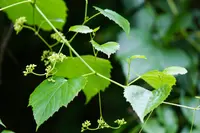
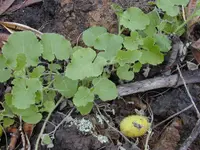
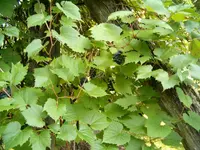
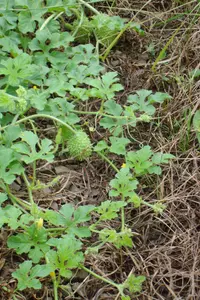
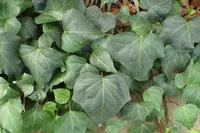
Heartleaf peppervine, Ampelopsis cordata, is a vigorous deciduous vine known for its broad, heart-shaped leaves and climbing, twining growth habit. It can quickly form dense green cover on fences, trellises, or natural supports.
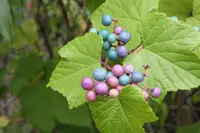
This species is native to the southeastern and central United States, where it grows in moist thickets, along woodland edges, and near stream banks. It produces clusters of small, inconspicuous flowers followed by attractive berries that shift through various colors as they mature.
Its fast growth and tolerance of varied soils make it relatively easy to establish, but it can spread aggressively in favorable conditions. Gardeners who want to care for heartleaf peppervine should consider its need for support, moderate moisture, and at least partial sun to maintain healthy growth.

Care Difficulty
Easy Care

Light Preference
Partial Sun

Water Requirements
Moderate Water

Temperature Preference
Cold Hardy

Hardiness Zone
5–9

Soil Texture
Sandy, Loamy, Clay

Soil pH
Acidic (5.5–6.5), Slightly acidic (6.5–7.0)

Soil Drainage
Moist but well-drained

Fertilization
Minimal (feed rarely)
Scan your plant to receive care tips personalized for your specific plant
Available on iOS and Android
This vigorous vine prefers bright conditions but tolerates some shade in warm climates.
This species prefers consistently moist but not waterlogged soil, especially during active growth.
This temperate vine grows best in warm, frost-free conditions during the growing season.
This species tolerates a broad humidity range but benefits from slightly moist air in hot conditions.
Soil should be loose, moisture-retentive, and well drained to support steady vine growth.
This vine is suitable for container growing when the pot supports its climbing and spreading habit.
Ampelopsis cordata benefits from light, targeted feeding but grows acceptably in average garden soil.
Pruning helps manage the vigorous growth and structure of Ampelopsis cordata in gardens and naturalized areas.
This vine is most often grown in the ground, so care focuses on transplanting rather than routine container repotting.
Ampelopsis cordata can be propagated by seed, softwood cuttings, or simple layering under suitable conditions.
This species is generally cold hardy in much of its native range and needs limited winter attention once established.

Plant Health Check
Not sure what's wrong with your plant? Check your plant's health inside the app.
This species naturally occurs along rivers, streams, and moist thickets in the central and southeastern United States, where it scrambles over shrubs and small trees rather than forming dense, self-supporting mats like some other vines.
The common name heartleaf peppervine comes from its thin, heart-shaped leaves that often taper to a point resembling a small pepper, a feature that helps distinguish it from related wild grape species in the field.
Its small berries change color as they mature, typically passing through green and red tones before becoming a dark bluish-black, providing an important late-season food source for many bird species.

Ampelopsis cordata is one of the few North American representatives of a genus that is otherwise concentrated in East Asia, making it a biogeographically interesting link between the North American and Asian temperate floras.
This vine spreads quickly by vigorous stems and bird-dispersed seeds. In mild, moist climates it can become sprawling and difficult to manage. Regular pruning and removing unwanted seedlings help prevent it from overrunning nearby beds or natural areas.
Keep your plants happy and healthy with plant identification, disease detection, and easy care guidance.