Provide sturdy trellis
Install a strong wire mesh or netting 1.5–2 m high before planting so vines can climb freely, which improves airflow, reduces fruit rot on wet soil, and keeps spiny fruits easier to harvest.

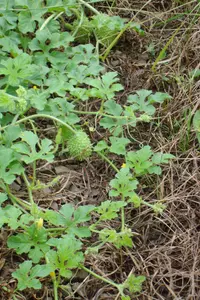
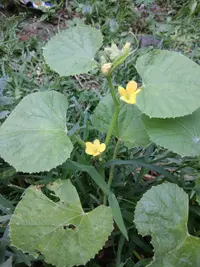
West Indian gherkin, Cucumis anguria, is a warm-season vining cucurbit related to common cucumbers. It produces many small, oval fruits with soft, spiny ribs and a crunchy texture. The plant has a scrambling, climbing habit and often needs support or space to sprawl.
C. anguria is native to Africa but naturalized and widely grown in the Caribbean, Central America, and parts of North and South America. It tends to be relatively vigorous and resilient to heat and some pests, which can make it easier to grow than more delicate cucumbers.
It prefers full sun, regular moisture, and well-drained soil. Basic knowledge of how to care for West Indian gherkin helps ensure reliable flowering and good fruit set.

Care Difficulty
Moderate Care

Light Preference
Full Sun

Water Requirements
Regular Water

Temperature Preference
Tropical / Frost Sensitive

Hardiness Zone
10–12

Soil Texture
Sandy, Loamy, Organic-rich

Soil pH
Acidic (5.5–6.5), Slightly acidic (6.5–7.0)

Soil Drainage
Moist but well-drained

Fertilization
Moderate (every 2–4 weeks)
Scan your plant to receive care tips personalized for your specific plant
Available on iOS and Android
Cucumis anguria needs strong light to fruit well but benefits from some protection from intense afternoon sun.
Cucumis anguria prefers consistently moist, well-drained soil without staying saturated.
This warm-season vine grows best in stable, frost-free conditions.
This species prefers moderately humid, warm conditions similar to many cucurbits.
This cucurbit needs loose, well-drained, nutrient-rich soil to produce reliable crops.
This species is suitable for container growing when given enough root volume and support for its vines.
Cucumis anguria responds well to modest feeding that supports steady vining and fruiting without forcing overly lush growth.
Pruning Cucumis anguria focuses on plant health, airflow, and manageable growth rather than strict shaping.
Cucumis anguria is usually transplanted from seedling trays into open ground or larger outdoor containers rather than long-term indoor pots.
New Cucumis anguria plants are most commonly raised from seed rather than from cuttings or division.
Cucumis anguria is a warm-season annual in most climates and normally does not overwinter outdoors.

Plant Health Check
Not sure what's wrong with your plant? Check your plant's health inside the app.
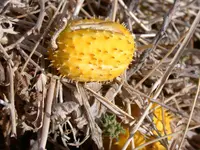
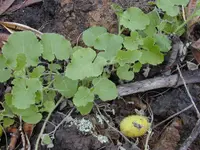
The fruits develop numerous soft, spiny projections that give them a burr-like or hedgehog-like appearance, which is why the plant is often called West Indian gherkin or burr gherkin.
Originally native to Africa, this species has been widely introduced to tropical and subtropical regions and often escapes cultivation, sometimes behaving as a minor weed in fields and disturbed habitats.
In several Caribbean, African, and South American food traditions, the young fruits are eaten raw, pickled, or cooked similarly to cucumbers, and are valued for their crisp texture in relishes and stews.

Some cultivated forms of Cucumis anguria are grown as ornamentals because their unusually spiny fruits and vigorous vines provide a distinctive, textured look on fences and trellises, combining edible use with decorative appeal.
This species can sprawl vigorously, sending out long, branching vines that root where they touch soil. It is not woody but can form dense tangles, so gardeners often control size with pruning, training, and dedicated bed space.
Keep your plants happy and healthy with plant identification, disease detection, and easy care guidance.