Direct growth control
Pinch or cut back fast-growing runners several times a year to keep the plant dense and prevent it from smothering neighboring plants or structures.

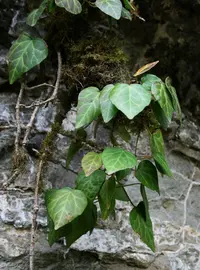
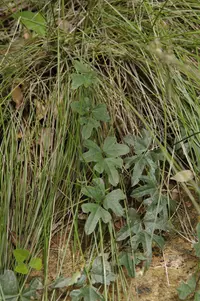
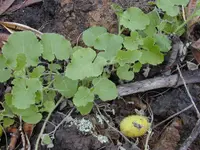
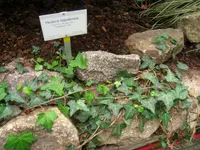
Colchis ivy, Hedera colchica, is a vigorous, evergreen climbing vine grown for its large, leathery, dark green leaves. It can climb walls and trees or form dense groundcover with strong aerial roots that attach to rough surfaces.
This species is native to regions around the Black Sea and the Caucasus, where it grows in woodlands and on rocky slopes. It is valued in gardens for fast coverage, shade tolerance, and resilience once established.
Growth is generally easy if the plant has stable moisture, well-drained soil, and protection from extreme heat or drying winds. Understanding how to care for colchis ivy helps prevent overgrowth and keep the plant healthy and controlled.

Care Difficulty
Easy Care

Light Preference
Partial Shade

Water Requirements
Moderate Water

Temperature Preference
Cold Hardy

Hardiness Zone
5–9

Soil Texture
Loamy, Clay, Organic-rich

Soil pH
Acidic (5.5–6.5), Slightly acidic (6.5–7.0)

Soil Drainage
Moist but well-drained

Fertilization
Minimal (feed rarely)
Scan your plant to receive care tips personalized for your specific plant
Available on iOS and Android
This vigorous climber prefers bright, indirect light and tolerates a fair amount of shade outdoors.
Hedera colchica prefers evenly moist but not saturated soil, with brief drying at the surface between waterings.
This hardy species tolerates a wide temperature range but grows best in mild, stable conditions.
This species grows comfortably in typical indoor humidity but benefits from slightly moist air.
This ivy prefers loose, moisture-retentive but free-draining soil that does not stay waterlogged.
This species is well suited to container growing outdoors and indoors where space or spread needs control.
This vigorous climber grows well with modest feeding when grown in containers or very poor soil.
Pruning supports manageable size and dense foliage on Hedera colchica.
This ivy is often used outdoors, so transplanting in the landscape is more common than repotting.
Hedera colchica is commonly propagated vegetatively to maintain desired forms.
Mature plants are generally cold hardy, so Hedera colchica needs limited winter attention in most temperate gardens.

Plant Health Check
Not sure what's wrong with your plant? Check your plant's health inside the app.
This species develops some of the largest leaves in the genus Hedera, often reaching 10–20 cm across under good outdoor conditions, which makes it visually heavier than common English ivy.
It is native to the humid, mild climates of the eastern Black Sea region, especially parts of Turkey, Georgia, and nearby areas, where it grows in moist forests and along shaded rocky slopes.
Its aerial roots produce abundant adhesive pads that anchor very firmly to rough surfaces such as bark, stone, and masonry, which allows the plant to climb several stories when conditions are suitable.

Several garden cultivars of this species, such as Hedera colchica 'Dentata Variegata', are widely used in temperate landscaping because their large, often variegated leaves provide fast, dense coverage that few other ivies can match in similar climates.
This species can spread quite vigorously through long, trailing stems and rooting nodes. In mild, moist climates it may outcompete other ground plants, so regular pruning and defined boundaries are important to prevent unwanted spread.
Keep your plants happy and healthy with plant identification, disease detection, and easy care guidance.